Bay windows are a stunning architectural feature that can transform any room, but they're also one of the most involved window replacements you might undertake. Whether you're dealing with an older bay window or considering an upgrade, understanding the costs, benefits, and installation process is essential for making an informed decision.
What Is a Bay Window?
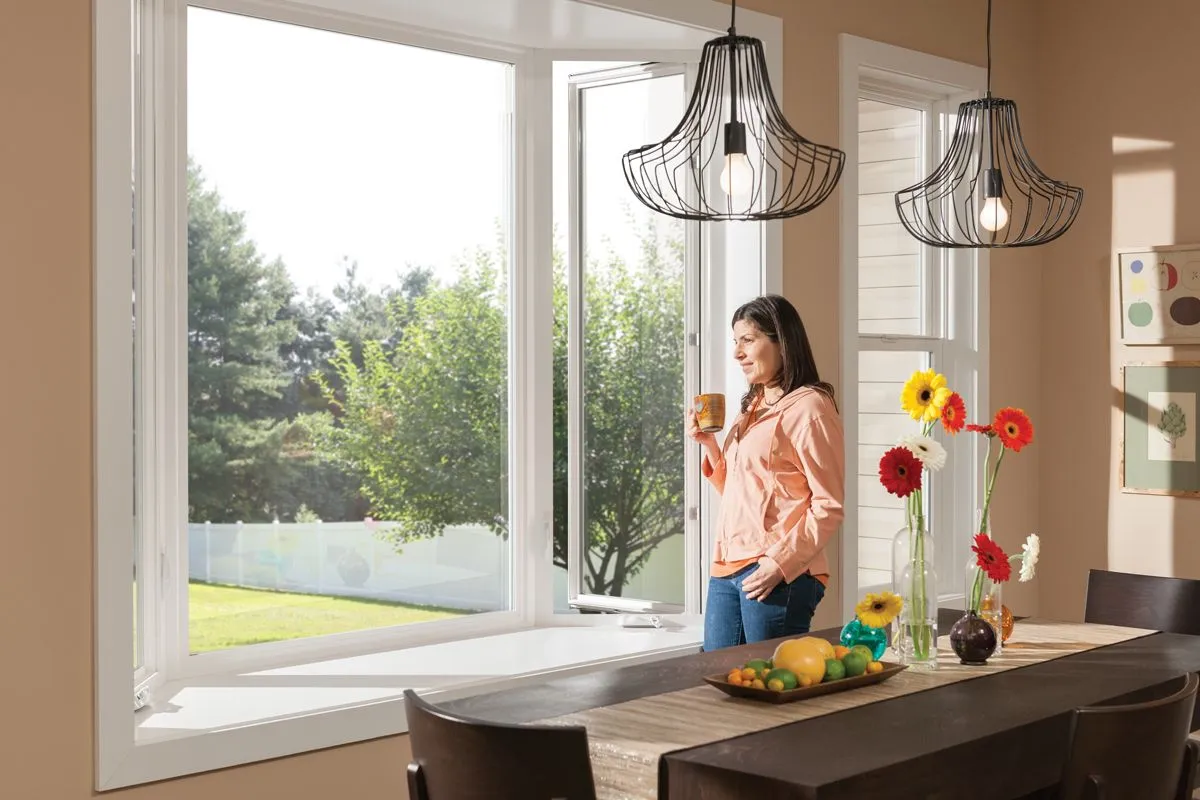
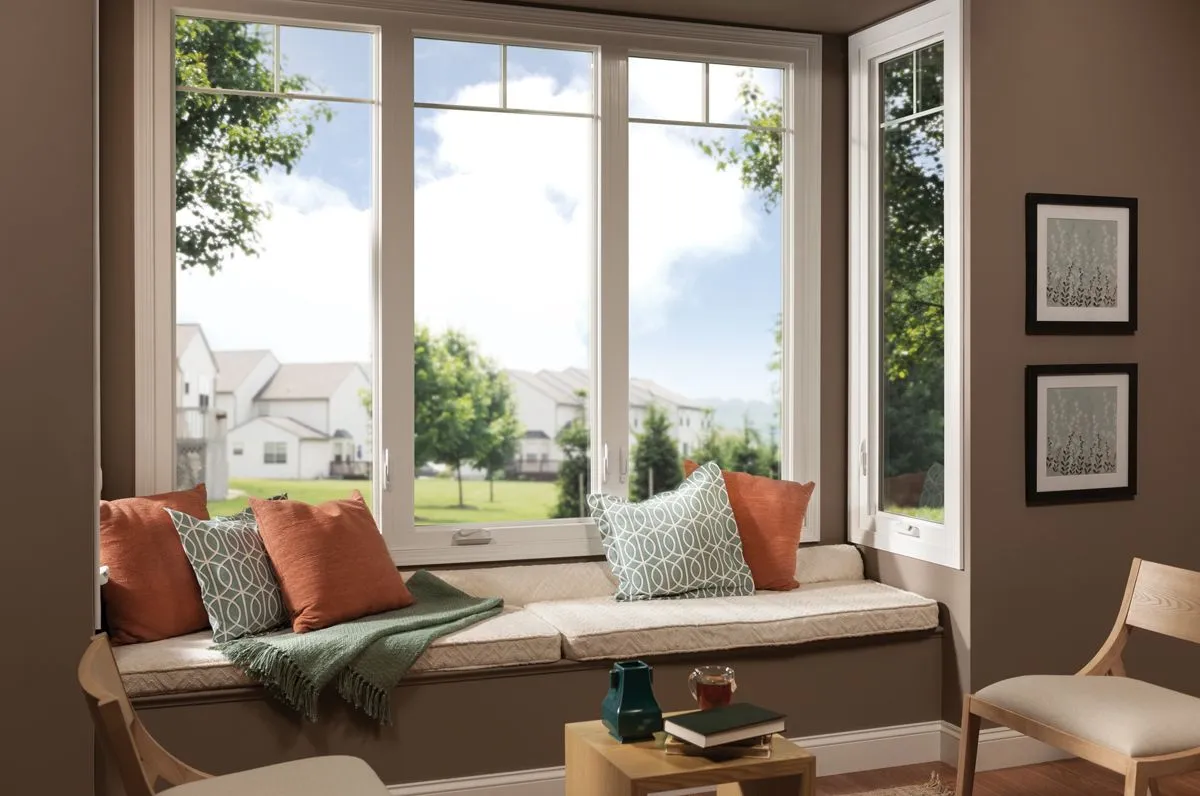
A bay window is a set of windows that project outward from the wall of a building, creating a small room or alcove inside. Unlike a standard picture window, a bay window typically consists of three sections: a large center window flanked by two smaller side windows (often at 30, 45, or 90-degree angles). This distinctive design adds both character and functional space to your home.
Bay windows come in several configurations:
- 30-Degree Bay: A classic and economical choice, angled at 30 degrees
- 45-Degree Bay: A balanced option that provides good interior space and exterior aesthetics
- 90-Degree Bay: A box-style bay that maximizes interior usable space
- Multi-sided Bays: Complex designs with more than three window sections
Benefits of Bay Window Replacement
Replacing an older bay window with a modern unit offers multiple advantages:
Improved Energy Efficiency
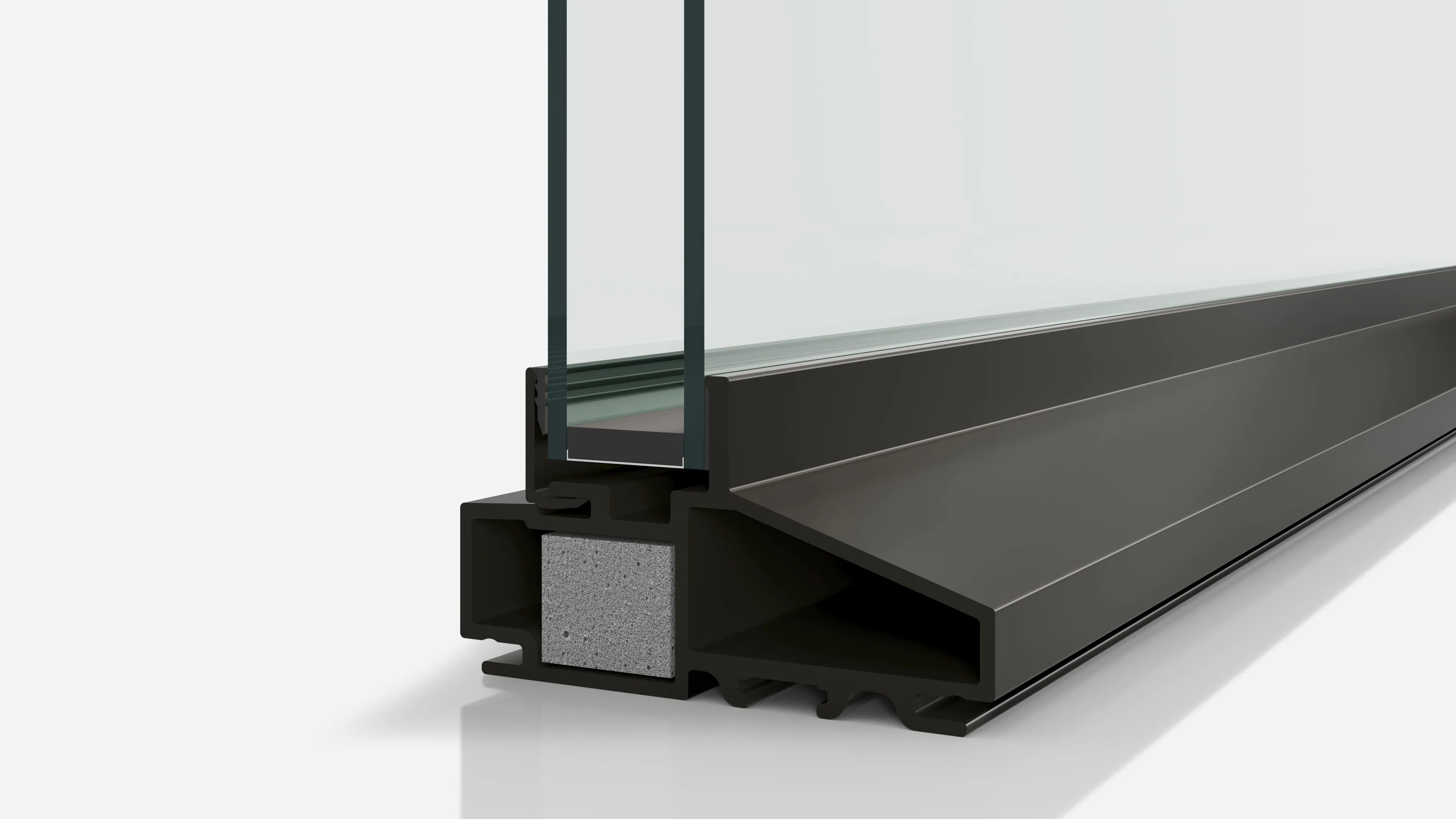
Modern bay windows feature Low-E coatings, double or triple glazing, and insulated frames that significantly reduce heat loss. This means lower heating and cooling bills year-round, and better temperature control in the bay area itself.
Enhanced Natural Light and Views
A well-designed bay window acts as a natural light amplifier, bringing more sunshine into your home while providing expansive views of your surroundings. This creates a brighter, more welcoming interior space.
Increased Home Value
Bay windows are a desirable feature that appeals to homebuyers. A quality bay window replacement can add both aesthetic appeal and measurable value to your property.
Expanded Interior Space
The projected design creates a functional alcove that can serve as a reading nook, plant display area, or seating area—essentially adding usable square footage without expensive construction.
Better Ventilation Options
Modern bay windows often include operable sashes that allow for superior ventilation and air circulation compared to older fixed units.
Noise Reduction
Newer windows with multi-pane construction and quality seals provide better soundproofing than older bays, creating a quieter, more peaceful interior environment.
Bay Window Replacement Costs
Bay window replacement costs vary significantly based on several factors:
Material and Frame Type
- Vinyl Bay Windows: $800–$1,800 per unit. Affordable, low-maintenance, and energy-efficient. Popular for budget-conscious homeowners.
- Fiberglass Bay Windows: $1,200–$2,500 per unit. Durable, excellent insulation, and can be painted any color.
- Wood Bay Windows: $1,500–$3,500 per unit. Premium appearance and superior insulation, but requires ongoing maintenance.
- Aluminum Bay Windows: $1,000–$2,200 per unit. Sleek, modern look, though less insulating than other options.
Configuration Complexity
Simple 30 or 45-degree bays are less expensive than 90-degree boxes or multi-sided designs. Complex angles require more precise measurement, custom fabrication, and specialized installation skills.
Size
Larger bay windows cost more due to increased material needs and installation complexity. A modest-sized bay (36"–48" wide) will cost less than a premium-sized unit (60"+ wide).
Glazing and Upgrades
- Basic double-pane glazing: Standard pricing
- Triple-pane or High-Performance Low-E: +$200–$500 per unit
- Tempered glass or safety glass: +$100–$250 per unit
- Custom grid patterns: +$50–$200 per unit
Installation Labor
Professional installation typically costs $500–$2,000 per window, depending on:
- Your location
- Current window condition and difficulty of removal
- Structural repairs needed
- Frame type and customization
Total Average Cost
For a typical home with one standard 45-degree vinyl bay window, expect to budget $1,500–$4,000 for materials and professional installation. Fiberglass or wood bays in larger sizes can exceed $6,000 per window.
Installation Process and Timeline
Understanding what's involved in bay window replacement helps you prepare:
Pre-Installation Assessment
A professional installer will inspect your current bay, check for water damage, measure precise dimensions, verify structural integrity, and discuss style options. This typically takes 1-2 hours and is often free.
Removal of Old Window
The existing bay window is carefully removed. If it's been in place for decades, this can be time-consuming if there's deterioration, rot, or if it's been painted shut. Expect this phase to take 2-4 hours.
Frame and Sill Preparation
The opening is cleaned, inspected for damage, and repaired as needed. New sill material might be installed, and the frame is prepared to receive the new window. This step is crucial for ensuring a weathertight seal.
Installation of New Bay Window
The new unit is carefully positioned, leveled, shimmed, and secured to the frame. The installer checks for proper operation of all sashes and ensures the unit is square and plumb.
Sealing and Weatherproofing
The installation is sealed with high-quality caulk and foam. Interior and exterior finishes are applied to create a watertight envelope.
Interior and Exterior Finishing
Trim, caulk, and paint are applied to match your home's aesthetic. This might include drywall work inside and trim work outside.
Timeline: A typical bay window replacement takes 2-5 days from start to finish, including finishing work.
Factors That Affect Installation Difficulty
Some bay window replacements are straightforward; others require additional work:
Structural Issues
Older homes might have settlement, rot, or water damage around the bay. Addressing these issues adds time and cost but is essential for a long-lasting replacement.
Custom Sizing
If your bay opening is non-standard, custom fabrication is required, which increases both cost and timeline by 2-4 weeks.
Multiple Bays
If you're replacing several bays, economies of scale apply—per-unit costs decrease slightly, but total project time increases.
Exterior Siding
Removal and replacement of siding around the bay adds complexity. Homes with stucco, stone, or brick require specialized attention.
How to Choose a Bay Window Contractor
Selecting the right installer is critical:
- Verify Licensing and Insurance: Ensure they're properly licensed and carry liability and workers' compensation insurance
- Check References: Ask for recent bay window project references and follow up with homeowners
- Get Multiple Quotes: Obtain detailed written estimates from at least three contractors
- Review Warranties: Understand what's covered (product warranty vs. labor warranty)
- Ask About Timeline: Confirm the project timeline and what happens if delays occur
Bay Window vs. Bow Window
Many homeowners confuse bay and bow windows:
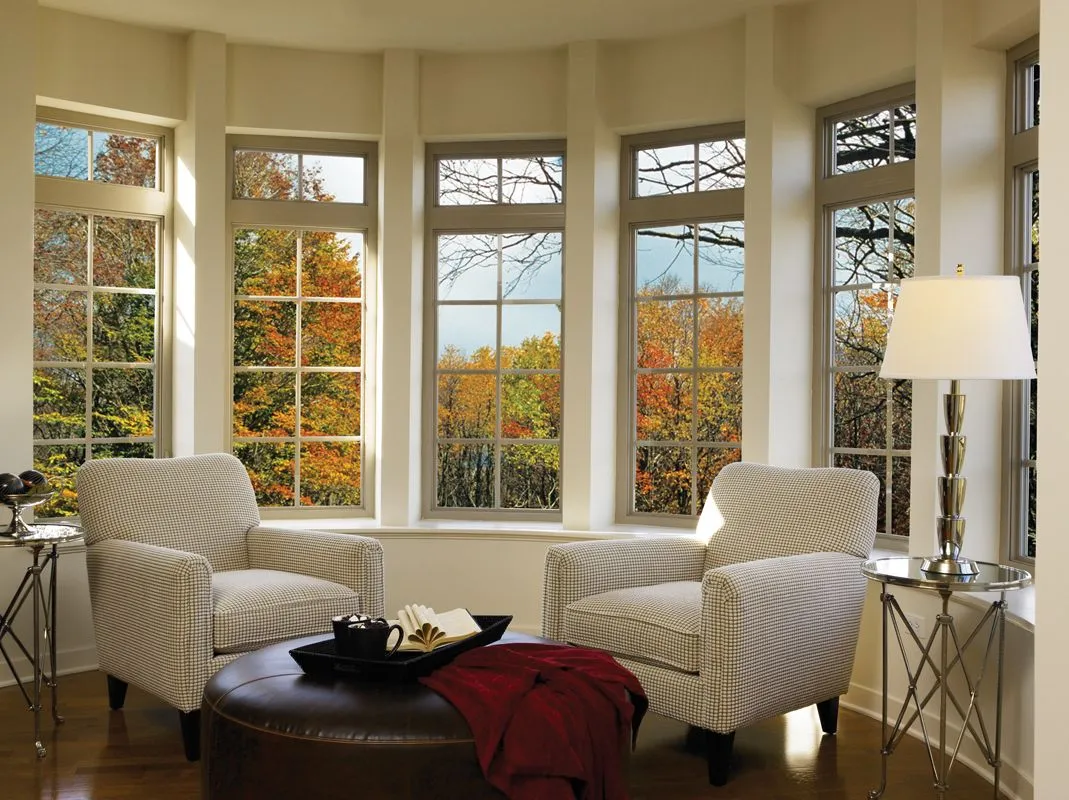
- Bay Windows: Typically 3–4 sections at angles (30°, 45°, or 90°). Create defined interior space.
- Bow Windows: Four or more curved sections that form a gentle arc. Provide a more rounded, elegant appearance.
Bow windows cost 15–25% more than comparable bay windows but offer a more distinctive aesthetic.
Frequently Asked Questions
Can I replace just the glass in a bay window instead of the whole unit?
If the frame is solid and operable, glass replacement (sometimes called re-glazing) is possible and costs $200–$600. However, if the frame is damaged, seals are failing, or the structure is compromised, full replacement is more cost-effective long-term.
How long do new bay windows last?
Quality vinyl bay windows typically last 20-25 years. Fiberglass and wood can last 30+ years with proper maintenance. The actual lifespan depends on climate, maintenance, and installation quality.
Are bay windows expensive to maintain?
Modern vinyl and fiberglass bays require minimal maintenance—occasional cleaning and occasional caulk resealing. Wood bays require regular painting and refinishing, which increases maintenance costs.
Can I install a bay window in a rental property?
This depends on your lease and local regulations. Many landlords make this upgrade to increase property value and appeal. Consult your lease agreement before proceeding.
Will a bay window replacement increase my home's resale value?
Yes, bay window replacement typically provides a solid return on investment (60–80% ROI in most markets), especially if the windows are in visible, high-traffic areas of the home.
Next Steps
Ready to transform your home with a new bay window? Start by getting a free, detailed assessment from a local window replacement specialist. They can help you understand your options, provide accurate pricing, and discuss the best materials for your climate and home style.
For more detailed information on window materials and options, explore our complete guide to window styles and options. To understand how bay window replacement compares to other window types, check out our guide to window frame materials.
Consider visiting our tool pages to explore window replacement calculators and project planning resources that can help you prepare for your bay window replacement project.