Sliding glass doors and patio doors are essential features in many homes, providing access to outdoor living spaces and bringing in natural light. However, when they become outdated, damaged, or energy-inefficient, replacement becomes necessary. This comprehensive guide covers everything you need to know about sliding glass door replacement, including costs, installation options, and how to select the right doors for your home.
Why Replace Your Sliding Glass Doors?
Before investing in new sliding glass doors, it's helpful to understand the common reasons homeowners choose to upgrade:
Signs Your Doors Need Replacement
- Age: Doors older than 20-30 years are often inefficient and may have structural issues
- Difficulty operating: Doors that are hard to open, close, or lock are safety hazards
- Air leaks: Visible gaps, drafts, or condensation between panes indicate seal failure
- Damaged frames: Rotted wood, cracked frames, or rust on aluminum frames
- Reduced energy efficiency: Rising utility bills despite other improvements
- Noise infiltration: Unable to block outside sounds effectively
- Broken glass: Cracked or shattered panes compromise safety and efficiency
- Aesthetic concerns: Outdated style or appearance not matching home décor
Benefits of Replacement
- Improved energy efficiency: New sliding glass doors with modern coatings and insulation reduce heating and cooling costs
- Enhanced security: Contemporary locking mechanisms provide better protection
- Easier operation: Modern doors glide smoothly and don't require excessive force
- Noise reduction: Quality doors significantly dampen external sounds
- Better natural light: Larger glass panes available in modern styles
- Increased home value: Updated patio doors boost curb appeal and resale value
- Design options: Wide variety of colors, finishes, and styles to match any home
Understanding Sliding Glass Door Types
Traditional Sliding Glass Doors (Bypass Doors)
The most common type, these doors slide horizontally past each other on a track. One panel slides in front of the other, meaning only half the opening can be accessed at once. These are typically more affordable and work well in narrower spaces.
Pocket Sliding Doors (Pocket Doors)
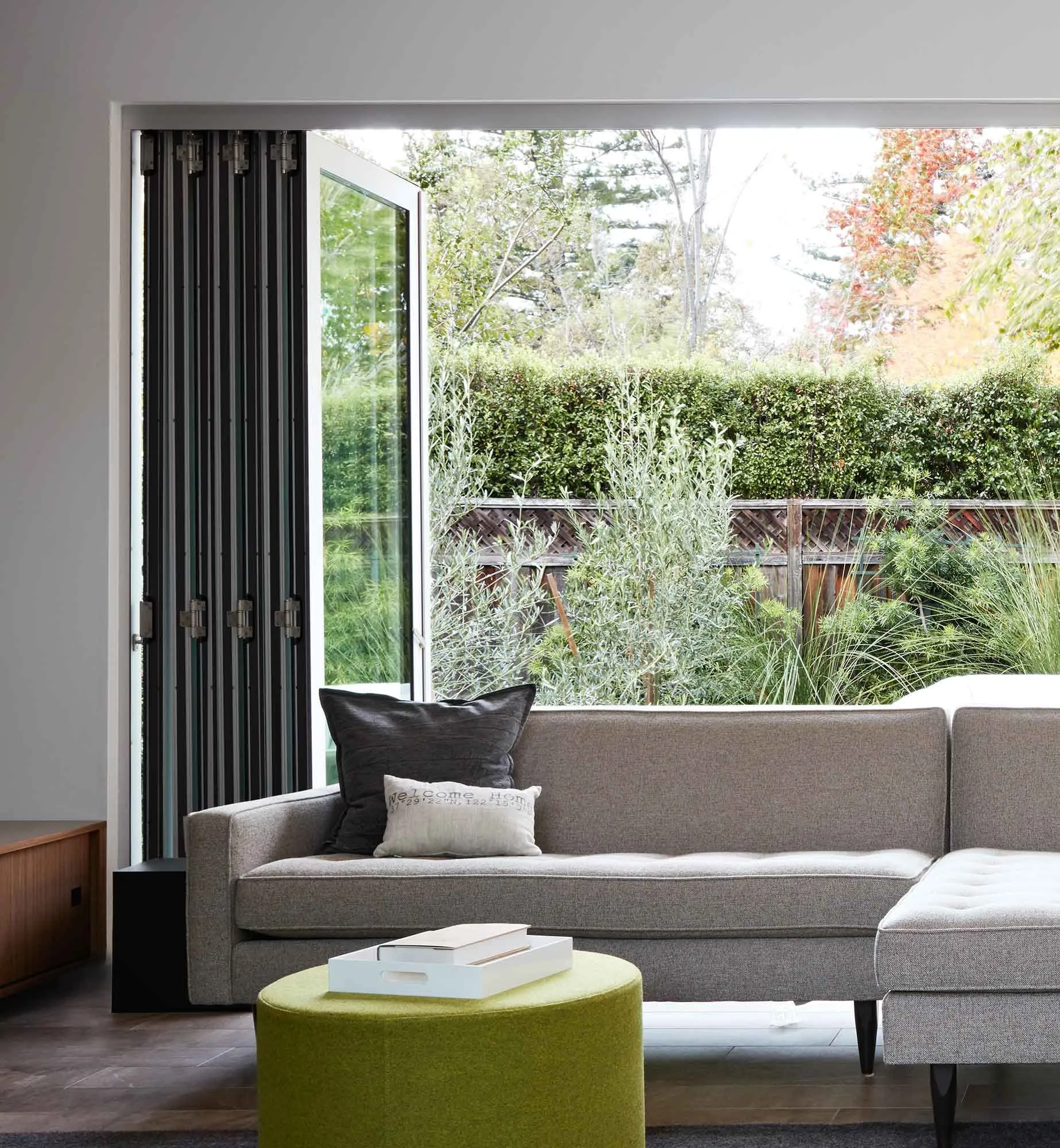
These doors slide into wall cavities, completely disappearing from view. They maximize the open space but require more structural modification during installation. These are ideal for modern homes with clean lines and when you want the full opening accessible.
Multi-Slide Glass Doors
These high-end doors feature three or more panels that can slide in different directions. They create large unobstructed openings to patios and decks, perfect for entertaining and bringing the outdoors in. Popular in luxury homes and modern designs.
Single Sliding Glass Doors
These single-panel doors slide to one side and are used when space is limited or as complements to fixed panels. Often seen in smaller patios or as part of a combination configuration.
Sliding Glass Door Materials and Features
Frame Materials
Vinyl Frames
- Most popular and affordable option
- Low maintenance - no painting or staining required
- Good insulation properties
- Durable and resistant to moisture and rot
- Limited color options compared to other materials
Aluminum Frames
- Modern, sleek appearance
- Strong and durable
- Excellent for contemporary designs
- Conducts heat/cold, so insulation matters more
- Usually more expensive than vinyl
- Requires more maintenance to prevent corrosion
Fiberglass Frames
- Premium option with exceptional durability
- Superior insulation properties
- Can be painted to match any color scheme
- Looks similar to wood but requires less maintenance
- Most expensive frame material
Wood Frames
- Classic, elegant appearance
- Excellent insulation properties
- Requires regular maintenance (painting, staining, sealing)
- Vulnerable to rot and moisture damage
- Limited in today's market due to maintenance demands
Glass Options
Single-Pane Glass
- No longer standard in new construction
- Poor insulation and noise reduction
- Energy inefficient
Double-Pane Glass
- Standard in modern replacement doors
- Improved insulation and noise reduction
- Better energy efficiency than single-pane
Triple-Pane Glass
- Premium option for maximum insulation
- Excellent for cold climates
- Reduces external noise significantly
- Higher upfront cost but better long-term savings
Low-E Coating
- Reflective coating that blocks UV rays and heat
- Reduces energy bills by 10-15%
- Protects furniture and flooring from fading
- Virtually invisible to the naked eye
Tempered Glass
- Safety glass that shatters into small, less dangerous pieces
- Required for doors by building codes
- More resistant to impact and temperature changes
Sliding Glass Door Costs
Material Costs
The cost of sliding glass doors varies significantly based on size and materials:
- Basic vinyl bypass doors: $1,500-$3,500 per door
- Mid-range vinyl or aluminum doors: $3,500-$6,000 per door
- Premium fiberglass or high-end vinyl: $6,000-$10,000+ per door
- Luxury multi-slide systems: $10,000-$20,000+ per opening
Installation Costs
Professional installation typically adds $500-$2,000 depending on:
- Whether the frame is being replaced (full frame installation)
- Structural modifications needed
- Your geographic location
- Complexity of the installation
- Local contractor rates
Total Project Cost
For a typical home:
- Single sliding glass door replacement: $2,500-$8,000 installed
- Two doors (patio set): $5,000-$16,000 installed
- Multiple doors/extensive project: $15,000-$40,000+
Installation Process
Professional Installation Steps
Preparation
- Measuring and ordering doors (2-4 weeks lead time)
- Protecting surrounding areas with drop cloths
- Removing interior trim and molding
Removal
- Carefully removing the existing door and frame
- Cleaning the opening
- Inspecting framing for damage or rot
Frame Installation (if full frame replacement)
- Installing new frame into the opening
- Ensuring proper level and square alignment
- Sealing with caulk and foam insulation
Door Installation
- Setting the door into the frame
- Adjusting alignment using shims
- Securing with appropriate fasteners
Sealing and Finishing
- Caulking around the frame exterior
- Installing interior trim
- Testing operation and locks
- Final cleanup
Full Frame vs. Insert Replacement
Full Frame Replacement
- Removes entire existing frame and door
- Addresses frame damage or deterioration
- Allows for size adjustments
- More expensive but provides complete solution
- Better for older homes or damaged frames
Insert Replacement
- Installs new door within existing frame
- Less disruption to walls and trim
- More affordable option
- Not suitable if frame is damaged
- Limited adjustment for frame issues
Choosing the Right Doors for Your Home
Climate Considerations
Cold Climates
- Choose triple-pane or quality double-pane glass
- Low U-Factor ratings (0.20-0.40) for better insulation
- Higher SHGC values to allow winter solar heat gain
- Excellent weather sealing to prevent drafts
Hot Climates
- Low-E coatings block solar heat gain
- Lower SHGC ratings (0.25-0.35) to reject heat
- Reflective tints can help further reduce solar gain
- Insulated frames prevent heat transfer
Mixed/Moderate Climates
- Balanced approach with moderate U-Factor and SHGC
- Quality double-pane glass with Low-E coating
- Focus on weather sealing and proper installation
Design and Aesthetic Factors
- Color matching: Choose frame colors that complement your home's exterior
- Hardware finishes: Match existing hardware or upgrade to a cohesive look
- Glass appearance: Clear, tinted, or frosted options depending on privacy needs
- Architectural style: Modern, traditional, or transitional designs available
Energy Efficiency Ratings
Look for these performance indicators:
- NFRC Certification: Ensures independent testing and ratings
- ENERGY STAR Certification: Meets government energy efficiency standards
- U-Factor: Measures insulation (lower is better)
- SHGC: Solar heat gain coefficient (depends on climate)
- Air Leakage: Rated in cfm/sq ft (lower is better)
Common Sliding Glass Door Problems and Solutions
Sticky or Hard-to-Open Doors
- Clean tracks with a damp cloth and brush
- Remove debris and buildup
- Apply silicone-based lubricant (not oil-based)
- Check for misalignment and adjust rollers
Air Leaks and Drafts
- Inspect weatherstripping for cracks or gaps
- Apply additional caulking around the frame
- Consider installing a door draft stopper temporarily
- Replace weatherstripping if damaged
Condensation Between Panes
- Indicates broken seal in insulated glass
- Interior condensation can sometimes be cleaned
- If persistent, glass unit needs replacement
- Consider replacement if recurring issue
Broken Glass or Locks
- Modern safety glass can be replaced
- Locks can be repaired or replaced by professionals
- Many repairs are more cost-effective than full replacement
FAQ: Sliding Glass Door Replacement
How long does a sliding glass door installation take?
A typical installation takes 4-8 hours for a single door. Multi-slide doors or complex installations may take longer. Most projects can be completed in one business day.
Do I need building permits for door replacement?
Many jurisdictions require permits for exterior door installation. Check local codes. Permits ensure work meets safety standards and code requirements. Your contractor typically handles permit requirements.
What's the difference between a patio door and sliding glass door?
Patio door is the general term for doors accessing outdoor patios or decks. Sliding glass doors are one type of patio door; others include swing-out doors, pocket doors, and folding doors.
Can I replace just the glass, not the frame?
Yes, if the frame is still in good condition. Glass-only replacement is more affordable but only addresses seal failure, not structural issues or poor frame operation.
Should I install the doors myself?
Professional installation is recommended. Improper installation leads to air leaks, water infiltration, and operational issues. The complexity usually justifies professional help.
How often do sliding glass doors need replacement?
Well-maintained doors typically last 20-30 years. Factors like climate, maintenance, and usage affect lifespan. Upgrading earlier for energy efficiency improvements may make financial sense.
Next Steps
Investing in quality sliding glass doors improves your home's aesthetics, energy efficiency, and functionality. Whether you're replacing damaged doors or upgrading for better performance, working with qualified professionals ensures proper installation and lasting satisfaction.
Ready to upgrade your patio doors? Explore options for replacement windows and doors that match your home's style and performance needs, and discover how modern sliding glass doors can transform your living space.