Vinyl Windows: Benefits, Costs, and Installation Guide
Comprehensive guide to vinyl windows including benefits, drawbacks, costs, energy efficiency, and installation. Learn why vinyl is the most popular window choice for Utah homes.

Alan Horne
Window and home improvement expert with deep knowledge of Utah's unique climate and residential needs.
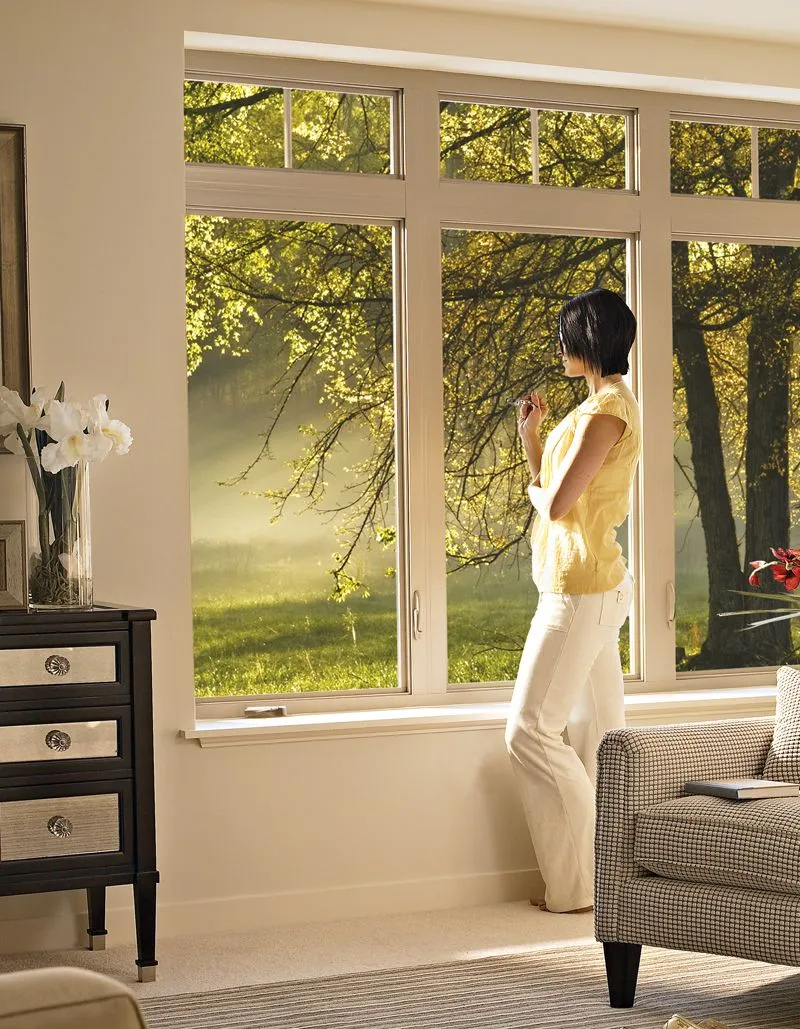
Choosing the right window frame material is one of the most important decisions when planning a window replacement project. The frame material directly impacts your windows' durability, maintenance requirements, energy efficiency, aesthetic appeal, and long-term cost. Three main materials dominate the residential window market: vinyl, fiberglass, and wood. Each offers distinct advantages and trade-offs that homeowners need to understand.
Vinyl has become the most widely installed window frame material in North America, accounting for the majority of residential window replacements. This popularity stems from vinyl's combination of affordability, low maintenance, and decent energy efficiency.
Advantages of Vinyl:
Disadvantages of Vinyl:
Fiberglass represents the high-end choice for window frame materials. It's manufactured from glass fibers embedded in a resin matrix, creating a material with unique performance characteristics.
Advantages of Fiberglass:
Disadvantages of Fiberglass:
Wood remains the classic window frame material, prized for its natural beauty and exceptional insulation properties. However, wood requires significant maintenance commitment.
Advantages of Wood:
Disadvantages of Wood:
| Feature | Vinyl | Fiberglass | Wood |
|---|---|---|---|
| Initial Cost | $ | $$$ | $$$ |
| Maintenance | Minimal | Low | High |
| Lifespan | 20-30 years | 50+ years | 30-50+ years |
| Energy Efficiency | Good | Excellent | Excellent |
| Durability | Good | Excellent | Fair-Good |
| Repairability | Poor | Good | Excellent |
| Aesthetic Options | Limited | Good | Excellent |
| Climate Best Suited | All | All | Dry climates |
Choose Vinyl If:
Choose Fiberglass If:
Choose Wood If:
Utah's climate—with cold winters, dry air, and intense summer sun—affects frame material performance differently than other regions. Vinyl performs adequately in Utah's temperature swings, but may show some fading after 20+ years due to UV intensity. Fiberglass excels in Utah's dry climate and temperature extremes, making it an excellent choice for long-term performance. Wood can work well in Utah's dry climate but requires consistent maintenance to prevent any moisture issues during spring snowmelt.
All three materials can achieve excellent energy efficiency when properly engineered. Modern vinyl frames with low-E coatings and argon gas fills perform nearly as well as fiberglass or wood. However, fiberglass and wood naturally have better insulation properties, which can reduce reliance on coatings and fills. If maximum energy efficiency is your goal and budget allows, fiberglass or wood offer slight advantages.
Professional installation matters regardless of frame material. Poor installation can compromise even the best windows. Get multiple quotes and ensure installers are certified and experienced. When considering long-term value, factor in:
Vinyl offers the best value equation for most homeowners seeking a balanced approach. Fiberglass justifies its higher cost through durability and performance. Wood creates unmatched beauty but demands commitment to regular maintenance.
Can I mix frame materials in my home? Yes, many homeowners use vinyl on less visible sides and premium materials on visible facades, balancing appearance and budget.
How long do different frame materials last? Vinyl: 20-30 years; Fiberglass: 50+ years; Wood: 30-50+ years with proper maintenance.
Which frame material is most energy efficient? All three can be highly efficient with modern coatings. Fiberglass and wood have slightly better insulation properties naturally, but vinyl with multiple chambers performs excellently.
Are there eco-friendly frame material options? Wood from sustainably managed forests is the most eco-friendly option. Vinyl and fiberglass are petroleum-based but last longer, reducing replacement frequency.
Can I paint vinyl windows? Technically possible, but not recommended—vinyl paint adhesion is poor and paint may peel. Fiberglass and wood paint much better.
Understanding these three primary frame materials empowers you to make the right choice for your specific situation, budget, and climate. Whether you prioritize cost-effectiveness, long-term durability, or aesthetic beauty, an option exists that matches your needs. Consult with a local window specialist who understands Utah's unique climate conditions to make the best choice for your home.