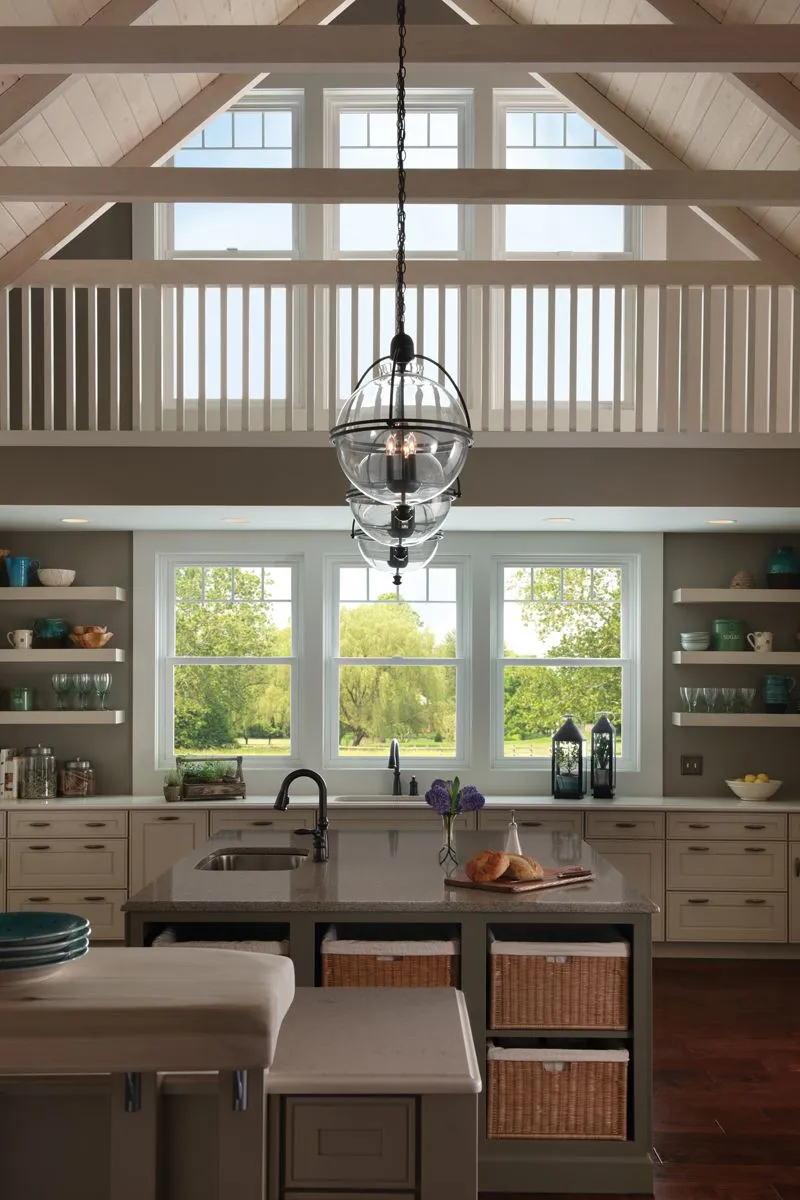
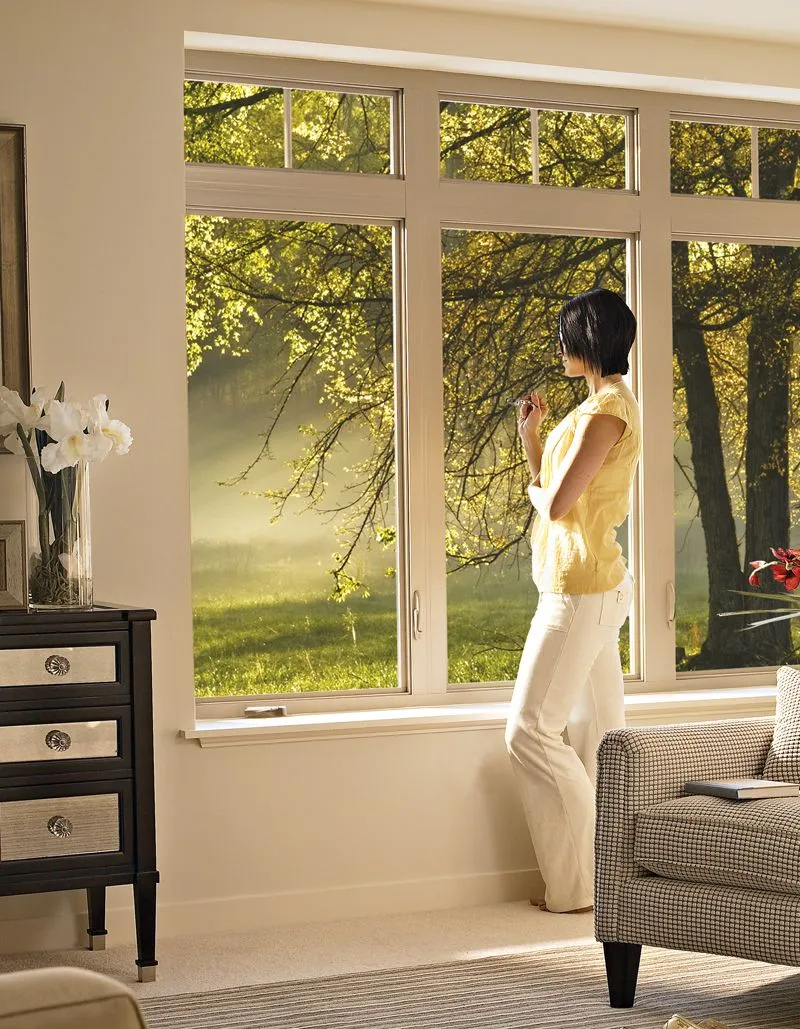
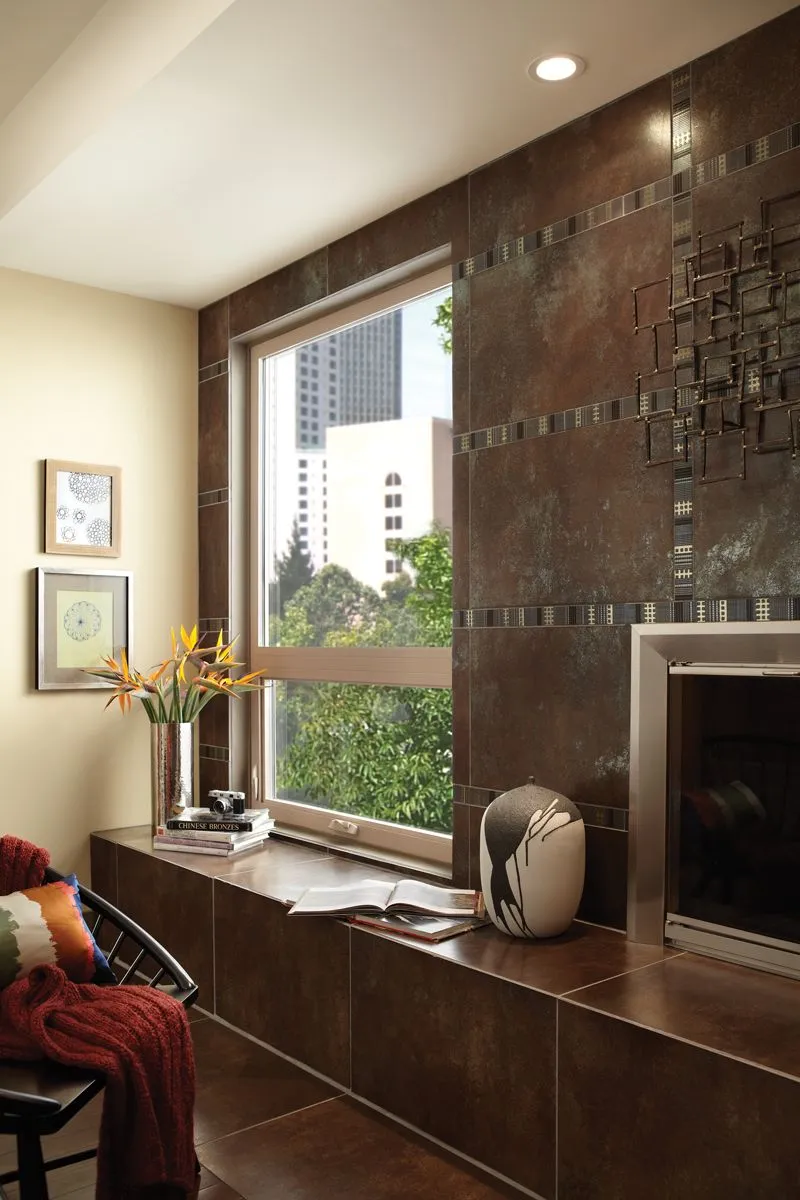
Choosing between casement and double-hung windows can be challenging. Both are popular styles with distinct advantages and disadvantages. Casement windows operate with a hinged crank mechanism and open outward, while double-hung windows feature two vertically sliding sashes. This guide compares both styles to help you make the best decision for your Utah home.
What Are Casement Windows?
Casement windows are hinged on the side and open outward like a door, operated by a hand crank or lever. They were originally the most common window style before double-hung windows gained popularity in the early 1900s.
Key characteristics:
- Hinged on one or both sides
- Operated by a hand-crank mechanism
- Open fully outward (up to 90 degrees)
- No vertical muntins dividing the panes
- Excellent for corner installations and hard-to-reach areas
- Created from one or multiple sashes
What Are Double-Hung Windows?
Double-hung windows have two sashes that slide vertically within the frame. Both the top and bottom sashes can open independently, making them one of the most versatile and popular window styles in America.
Key characteristics:
- Two vertically sliding sashes
- Both sashes operate independently
- Top and bottom can open simultaneously
- Traditional aesthetic appeal
- Multiple muntins (divided lite options available)
- Easy to clean from inside
- Smooth, gliding operation
Air Tightness and Energy Efficiency
Casement Windows:
- Superior air sealing when closed
- Crank mechanism creates a compression seal
- No gaps between sashes
- Better energy efficiency rating
- 8-15% more efficient than double-hung
- Ideal for climates requiring maximum insulation
Double-Hung Windows:
- Less air-tight due to sliding mechanism
- Small gaps may develop between sashes over time
- Standard energy efficiency for most climates
- 10-15% energy savings vs single-pane windows
- Good efficiency when properly maintained
- Sufficient for Utah's climate in most cases
Ventilation and Air Flow
Casement Windows:
- Full 100% opening capability
- Creates directional airflow (catches breezes)
- Excellent for natural ventilation
- Better for hot climates (summer cooling)
- Hinged design directs air into the room
- Ideal for corner windows and cross-ventilation
Double-Hung Windows:
- Flexible opening options (top, bottom, or both)
- Top sash opening pulls hot air out of room
- Bottom sash opening provides ground-level ventilation
- Better for layered temperature control
- Good for traditional ventilation preferences
- Allows customizable airflow direction
Operational and Safety Features
Ease of Operation
Casement Windows:
- Crank-operated mechanism
- Smooth, consistent operation
- Requires minimal effort to open
- Excellent for elderly or mobility-limited users
- Potential crank mechanism wear over time
- No lifting or balance issues
Double-Hung Windows:
- Slide-based operation
- Requires lifting/pushing motion
- Can become sticky or difficult with age
- Traditional familiar operation
- May require maintenance to prevent sticking
- Gliding ease depends on track condition
Child and Pet Safety
Casement Windows:
- Crank can be removed when open
- Full control over opening width
- Cannot fall out from opened window
- Superior safety for homes with children/pets
- Crank mechanism prevents accidental full opening
- Adjustable ventilation without full access
Double-Hung Windows:
- Both sashes can open fully
- Child safety locks available as add-ons
- Risk of falls from upper sashes
- Window guards/stops recommended
- Bottom sash opens at ground level
- Standard safety devices readily available
Cleaning and Maintenance
Window Cleaning
Casement Windows:
- External surfaces harder to access
- Opens fully outward for cleaning
- Interior panes easy to clean
- Exterior requires ladder access or professional help
- Cranks need occasional cleaning
- May be inconvenient for second-story windows
Double-Hung Windows:
- Both sashes tilt inward on many models
- Easy access to exterior panes from indoors
- Can be cleaned from inside on most designs
- Interior and exterior accessible
- Simple maintenance without ladders
- Convenient for upper-story windows
Long-Term Maintenance
Casement Windows:
- Crank mechanism requires periodic lubrication
- Hinges need occasional maintenance
- Fewer moving parts overall
- Seals can degrade over time
- Hardware replacements available
- Generally low maintenance when cared for
Double-Hung Windows:
- Balance system needs attention
- Tracks accumulate dirt and debris
- Sashes may bind with age
- Weatherstripping wears with use
- Can be serviced without replacement
- Requires regular cleaning of tracks
Cost Comparison
Initial Purchase and Installation
Casement Windows:
- Per window cost: $500-$1,200
- Full-frame installation: $700-$1,500 per window
- Premium models: $1,200-$2,000+
- Hinged hardware increases cost
- Specialty sizes cost more
- Installation may require additional expertise
Double-Hung Windows:
- Per window cost: $400-$1,200
- Full-frame installation: $600-$1,200 per window
- Premium models: $1,000-$1,800+
- Standard sizing more affordable
- Wide availability reduces costs
- Installation is straightforward
Long-Term Value
Casement Windows:
- Superior energy efficiency = lower utility bills
- May last slightly longer (30+ years)
- Crank mechanism may need replacement ($200-$500)
- Better property value increase (higher ROI)
- Energy savings offset initial cost premium
- 15-20% long-term value advantage
Double-Hung Windows:
- Moderate energy savings with proper maintenance
- Typical lifespan: 25-30 years
- Balance replacement costs ($150-$400)
- Good property value appreciation
- Lower initial investment
- Strong market appeal in traditional homes
Aesthetic and Design Considerations
Architectural Style
Casement Windows:
- Modern and contemporary appearance
- Clean, unobstructed glass lines
- Minimalist aesthetic (single-pane look)
- Contemporary home ideal
- Modern farmhouse compatible
- Industrial design friendly
Double-Hung Windows:
- Traditional and classic appearance
- Colonial and Victorian compatible
- Elegant with divided lites option
- Timeless design appeal
- Residential standard
- Works with diverse architectural styles
Curb Appeal
Casement Windows:
- Maximum glass visibility
- Modern, updated appearance
- Contemporary home enhancement
- Striking in pairs or groups
- Forward-opening draws attention
- Fresh, trendy appearance
Double-Hung Windows:
- Familiar, comfortable look
- Maintains home character
- Traditional elegance
- Works with existing styles
- Classic curb appeal
- Universally appealing design
Utah-Specific Considerations
Climate Suitability
Utah experiences cold winters, hot summers, and low humidity. Both window styles perform well, but with different advantages:
Casement Windows:
- Superior insulation for cold winters
- Directional airflow aids summer cooling
- Better for mountain properties (high elevation)
- Ideal for homes with poor shading
- Better performance in extreme temperature swings
- Energy savings significant in Utah climate
Double-Hung Windows:
- Traditional choice in Utah communities
- Good for moderate climate areas
- Familiar to local installers
- Standard replacement parts available locally
- Adequate performance for most areas
- Lower installation costs in Utah
Local Installation and Repair
Casement Windows:
- Fewer local specialists
- May require ordering replacement parts
- Specialized installation expertise needed
- Repair costs potentially higher
- Less common in older Utah homes
- Contractor availability variable
Double-Hung Windows:
- Every local contractor experienced with installation
- Replacement parts readily available
- Quick repairs and maintenance
- Familiar to Utah installers
- Common in existing Utah homes
- Easy to find qualified professionals
For expert installation and advice on your specific location, visit our service areas page to find local specialists in your Utah city.
Making Your Choice
Choose Casement Windows If You:
- Prioritize energy efficiency and want maximum savings
- Live in a very cold climate or high-elevation area
- Prefer modern or contemporary home design
- Want minimal maintenance and crank simplicity
- Need superior airflow control
- Have children or pets (safety advantage)
- Can access exterior surfaces for cleaning
- Value updated, trendy appearance
Choose Double-Hung Windows If You:
- Prefer traditional or classic aesthetic
- Want easy interior cleaning access
- Prioritize compatibility with existing windows
- Prefer familiar operation and controls
- Need lowest initial installation cost
- Want ease of finding local repair professionals
- Have architectural constraints requiring traditional style
- Value versatile operating options (top/bottom sashes)
Comparing in Your Utah Home
The best window choice depends on your specific needs, home style, budget, and priorities. Consider:
- Your home's architectural style – Does casement or double-hung match better?
- Climate zone – How harsh are winters? How hot are summers?
- Available budget – Can you invest in premium energy efficiency?
- Maintenance preferences – How much upkeep are you willing to do?
- Operating preferences – Crank operation vs. sliding sashes?
- Local expertise – Which style do local contractors prefer installing?
Energy Efficiency and ROI
Both styles can qualify for energy tax credits and rebates in 2026. Casement windows may offer slightly higher savings and faster ROI due to superior performance, but double-hung windows provide good value with lower initial costs.
The U.S. Department of Energy estimates homeowners can save $150-$450 annually with efficient replacement windows, depending on the type and home size.
Getting Started with Casement or Double-Hung Windows
Ready to replace your windows? Our specialists throughout Utah can help you choose the perfect style for your home. Each window style has distinct advantages, and the right choice depends on your unique situation.
Visit our service areas page to connect with local experts who can:
- Assess your specific needs and priorities
- Explain casement and double-hung options
- Provide accurate quotes for both styles
- Discuss energy efficiency and ROI
- Help with financing options
- Ensure professional installation
Whether you choose the modern efficiency of casement windows or the classic appeal of double-hung windows, our team can help you make the best decision for your Utah home's comfort and value.
Additional Reading
Learn more about these window styles in our detailed guides: