Casement windows are gaining popularity among Utah homeowners who value ventilation, views, and modern aesthetics. Unlike traditional double-hung windows, casement windows operate differently—they open outward like a door on hinges, offering unique advantages and considerations. If you're wondering whether casement windows are right for your home, this guide covers everything you need to know about their benefits, costs, and installation requirements.
What Are Casement Windows?
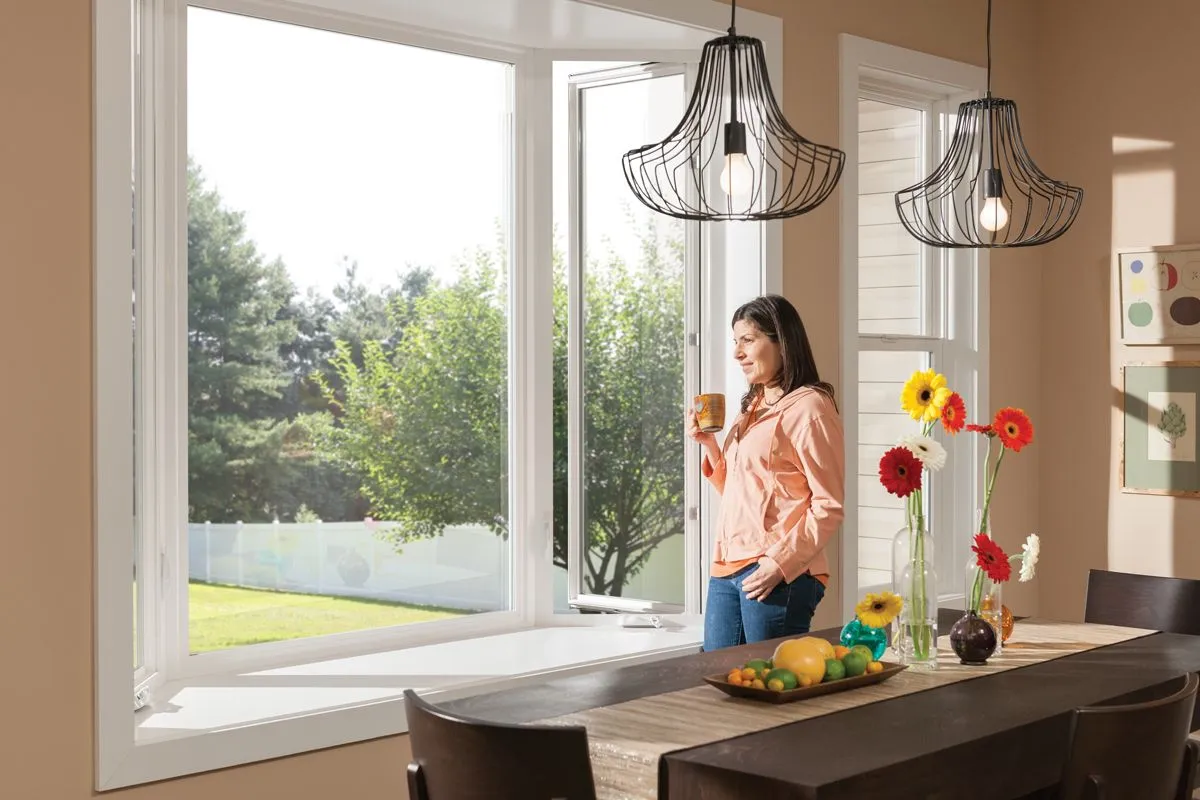
Casement windows are single-pane windows that open outward on side-mounted hinges, typically operated by an internal crank handle. When opened, they swing outward at a 90-degree angle, similar to a door. One window operates independently, though they're often installed in pairs or groups for larger openings.
Key Components
Frame: The outer structure that holds the glass and hinges
Sash: The movable part that holds the glass and swings outward
Hinges: Side-mounted hardware that allows the window to pivot
Crank handle: The operating mechanism (though some modern versions use friction stays)
Weather sealing: Compression seals that create an airtight closure
Types of Casement Windows
Single Casement
A single window that opens outward on one side. Best for narrow spaces and accent windows.
Paired Casement (French Casement)
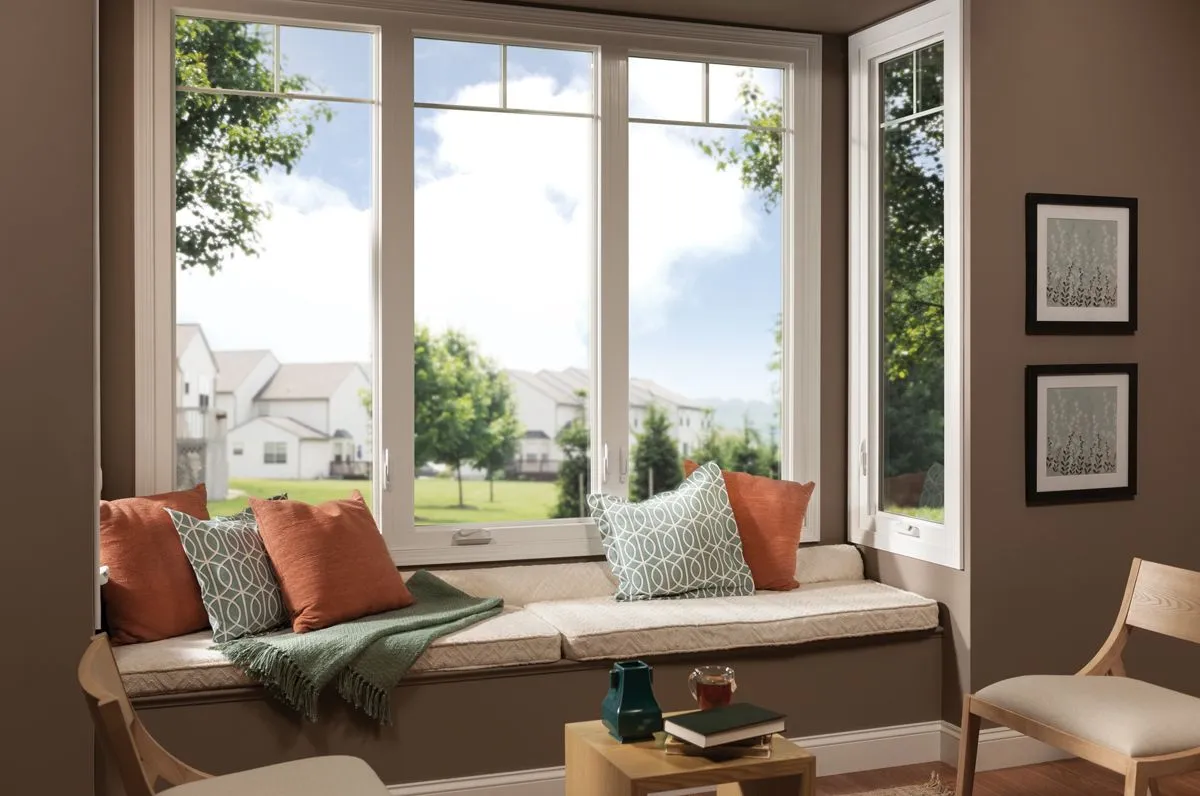
Two casement windows installed side-by-side, often meeting in the middle. Creates a larger opening and more symmetrical appearance. Popular for large wall openings and sliding glass door replacements.
Transom Casement
Casement windows installed above other windows or doors, typically opened with a remote pole operator for hard-to-reach windows.
Benefits of Casement Windows
Superior Ventilation
Casement windows offer excellent cross-ventilation because they open perpendicular to the wall, catching breezes more efficiently than sliding windows. The 90-degree opening allows air to flow in and out smoothly, making them ideal for living rooms, bedrooms, and kitchens where ventilation control matters.
Better Weather Sealing
When closed, the compression seals create an exceptionally tight closure. The outward-opening design means wind pressure actually pushes the window tighter against the seals, improving energy efficiency. This makes casement windows one of the most airtight window styles available.
Maximum Views and Light
Unlike double-hung windows where the sashes take up visual space, casement windows have minimal muntins and frame obstruction. When open, they don't block the view or light—the entire opening is unobstructed. This makes them excellent choices for scenic views and maximizing natural light.
Easy to Operate and Clean
Modern crank mechanisms operate smoothly and require minimal effort. The outward-opening design makes interior cleaning easy—you can clean both sides of the glass from inside your home. This is particularly valuable for second-story windows.
Flexibility in Placement
Casement windows work well in challenging locations where double-hung windows don't fit—above counters, under sloped ceilings, or in small wall spaces. Their outward-opening design means they don't require interior clearance space.
Contemporary Aesthetic
Casement windows provide a modern, clean look with slim sightlines and minimalist frames. They complement contemporary, transitional, and even traditional home styles. European-style homes particularly benefit from casement window aesthetics.
Improved Security
The locking mechanism and outward-opening design make casement windows more secure than many window styles. The hinges are internal and difficult to access from outside, and the compression locks provide strong security.
Disadvantages of Casement Windows
Cost Premium
Casement windows typically cost 10-20% more than comparable double-hung windows due to the crank mechanism, hinges, and operating hardware.
Crank Mechanism Maintenance
While generally reliable, the crank handle and hinges require occasional lubrication and can potentially break with heavy use or poor maintenance. Replacement parts are more expensive than simple double-hung repair.
Protrusion When Open
When open, casement windows extend into exterior space. This can be problematic for covered patios, decks, or locations where the open window might interfere with walkways or landscaping.
Limited Opening Flexibility
You can't open a casement window partially—it either opens fully or stays closed. This contrasts with double-hung windows where you can control ventilation precisely.
Screen Placement
Screens must be installed on the interior side (between the window and the room) since the exterior is blocked when the window opens. This requires more interior space and can complicate exterior aesthetics.
Casement Window Costs in Utah
Pricing varies based on materials, size, and features. Here's what to expect when replacing windows in Utah:
Average Casement Window Pricing
| Window Type | Cost per Window | Installation | Total Installed Cost |
|---|
| Standard vinyl casement | $400-$700 | $200-$300 | $600-$1,000 |
| Quality vinyl casement | $600-$900 | $200-$300 | $800-$1,200 |
| Fiberglass casement | $800-$1,200 | $200-$300 | $1,000-$1,500 |
| Wood casement | $1,000-$1,500+ | $250-$350 | $1,250-$1,850+ |
| Large paired casement | $1,200-$2,000 | $300-$400 | $1,500-$2,400 |
Factors That Affect Your Cost
Size: Larger windows cost more. A 2x4 foot window costs significantly less than a 4x6 foot window.
Material: Vinyl is most affordable; wood is most expensive. Fiberglass offers middle-ground pricing with excellent durability.
Grid patterns: Windows with interior grids or muntins cost more than clear glass.
Special glass options: Low-E coatings, triple-pane, or tinted glass increase cost but improve performance.
Location: Windows on higher floors or difficult-to-access locations cost more to install.
Quantity: Replacing multiple windows usually results in per-window discounts.
For accurate casement window pricing in your specific Utah location, use our Window Cost Estimator or request a free estimate.
Casement Window Installation Process
Professional Installation Timeline
A typical casement window installation takes 1-2 days for a single window and 3-7 days for a full-home project. Professional installation is strongly recommended for optimal performance and warranty coverage.
Installation Steps
1. Measurement and Ordering
Precise measurements are critical. Windows are custom-made to exact specifications.
2. Frame Preparation
The old window is carefully removed without damaging the surrounding structure.
3. Opening Inspection
The installer checks for rot, water damage, or structural issues requiring repair.
4. Installation Method
- Full-frame replacement: For damaged frames or complete replacements
- Insert/retrofit installation: When existing frames are intact
5. Proper Shimming
Windows are carefully shimmed level, plumb, and square. Improper shimming causes operational issues.
6. Sealing
Weatherstripping, caulking, and foam insulation ensure proper air sealing and moisture protection.
7. Interior Finishing
Trim installation and paint matching complete the project.
DIY vs. Professional Installation
While theoretically possible for skilled DIYers, casement window installation is not recommended as a DIY project because:
- Incorrect installation compromises weatherproofing and energy efficiency
- Operating mechanism calibration requires experience
- Warranty claims may be voided by improper installation
- Mistakes are expensive to correct
Professional installation ensures proper function, longevity, and warranty coverage.
Casement Windows vs. Other Window Styles
Casement vs. Double-Hung
Casement advantages: Superior sealing, better ventilation, lower maintenance, cleaner views
Double-hung advantages: Lower cost, traditional aesthetic, more familiar operation, fewer protruding parts
Casement vs. Sliding (Slider)
Casement advantages: Tighter seal, better air flow, easier to clean, more secure
Sliding advantages: Lower cost, no protruding parts, more contemporary look
Casement vs. Awning
Casement advantages: More control, better views, more aesthetic options
Awning advantages: Keeps rain out when open, good for bathrooms and wet areas
Popular Casement Window Brands in Utah
Milgard: Offers the Tuscany, Trinsic, and Ultra lines with casement options
Andersen: 400 Series and premium options available
Pella: Offers traditional and contemporary casement designs
Marvin: High-end casement windows with extensive customization
Utah Window Experts works with premium manufacturers to provide quality casement window options for your specific needs. Learn more about our Milgard window replacement options.
Casement Windows by Service Area
Casement windows work beautifully in all Utah climates. Whether you're in northern Utah experiencing cold winters or southern Utah with hot summers, casement windows provide excellent performance:
- Northern Utah: Salt Lake City service areas and Ogden, Layton benefit from excellent heating efficiency
- Central Utah: Provo, Orem communities see balanced benefits
- Southern Utah: St. George and Washington area homeowners appreciate superior cooling performance
View all service areas we serve throughout Utah.
Energy Efficiency of Casement Windows
Casement windows rank among the most energy-efficient window styles available:
Heating Efficiency (U-Factor)
The tight compression seals mean minimal heat loss. Quality casement windows achieve U-factors of 0.25-0.30, excellent for Utah's cold winters.
Cooling Efficiency (Solar Heat Gain)
- Without low-E coating: Standard solar heat gain
- With low-E coating: 20-30% reduction in solar heat gain, critical for southern Utah
Air Leakage (AL Rating)
High-quality casement windows achieve AL ratings of 0.1 or better, among the lowest available.
For maximum efficiency in Utah's climate, choose casement windows with:
- Low-E glass coating
- Triple-pane option (especially for northern Utah)
- Quality weatherstripping and seals
- Proper installation with thermal breaks
Compare various window efficiency ratings in our energy-efficient windows guide.
Maintenance and Care of Casement Windows
Regular Maintenance
Monthly: Clean glass and frames
Quarterly: Check and clean screens
Annually: Lubricate hinges and crank mechanism, check weatherstripping
Lubrication
The crank handle and hinges need occasional lubrication:
- Use light machine oil or silicone-based lubricant
- Avoid heavy oils that attract dust
- Apply sparingly to moving parts
Weatherstripping Replacement
If casement windows develop drafts:
- Weatherstripping can usually be replaced without replacing the entire window
- This is a relatively inexpensive maintenance item ($50-$150 per window)
Common Issues and Solutions
Difficult crank operation: Clean and lubricate the mechanism
Water leaking around frame: Check weatherstripping; may need resealing
Fogging between panes: Indicates seal failure; typically requires window replacement
Squeaking hinges: Light lubrication resolves the issue
For more information on maintaining windows, see our window cleaning and maintenance guide.
Warranties and Protection
Quality casement windows typically include:
- Frame warranty: 10-20 years coverage against defects
- Glass warranty: 5-10 years coverage against seal failure/fogging
- Mechanism warranty: 5-10 years coverage for crank and hinges
- Installation warranty: 1-5 years on workmanship
Proper installation and maintenance extend actual window lifespan to 25-30+ years.
When Casement Windows Make Sense
Casement windows are ideal if you:
- Value ventilation control and fresh air
- Have scenic views worth maximizing
- Want tight sealing for energy efficiency
- Prefer modern, clean window aesthetics
- Have hard-to-reach locations requiring easy cleaning access
- Live in areas with strong wind (the seal improves with wind pressure)
- Want superior home security
- Require windows that operate smoothly
Casement windows may not be ideal if you:
- Have a tight budget and need to minimize cost
- Have areas where outward-opening windows would interfere with exterior spaces
- Prefer traditional double-hung window operation and appearance
- Have very large openings requiring multiple windows
Making Your Decision
Choosing between casement windows and other styles depends on your priorities:
Choose casement windows for: Ventilation, tight sealing, modern aesthetics, maximum views, areas with wind, and excellent security
Consider double-hung for: Traditional aesthetics, lower cost, familiar operation
Consider sliders for: Contemporary look, no protruding parts, minimal operation
Getting a Professional Assessment
The best way to determine if casement windows are right for your home is to consult with a window replacement professional. Utah Window Experts offers free consultations to assess your current windows, discuss your goals, and provide recommendations and pricing.
We serve communities throughout Utah including Salt Lake City, Provo, Ogden, St. George, and many more service areas.
Contact us for a free quote or call 801-221-1244 to discuss casement window options for your home.
For more window information, explore our guides on window styles, window costs, and window installation.
External Resources
Learn more about casement window efficiency from the U.S. Department of Energy's window guide.
Research casement window performance ratings at NFRC - National Fenestration Rating Council.