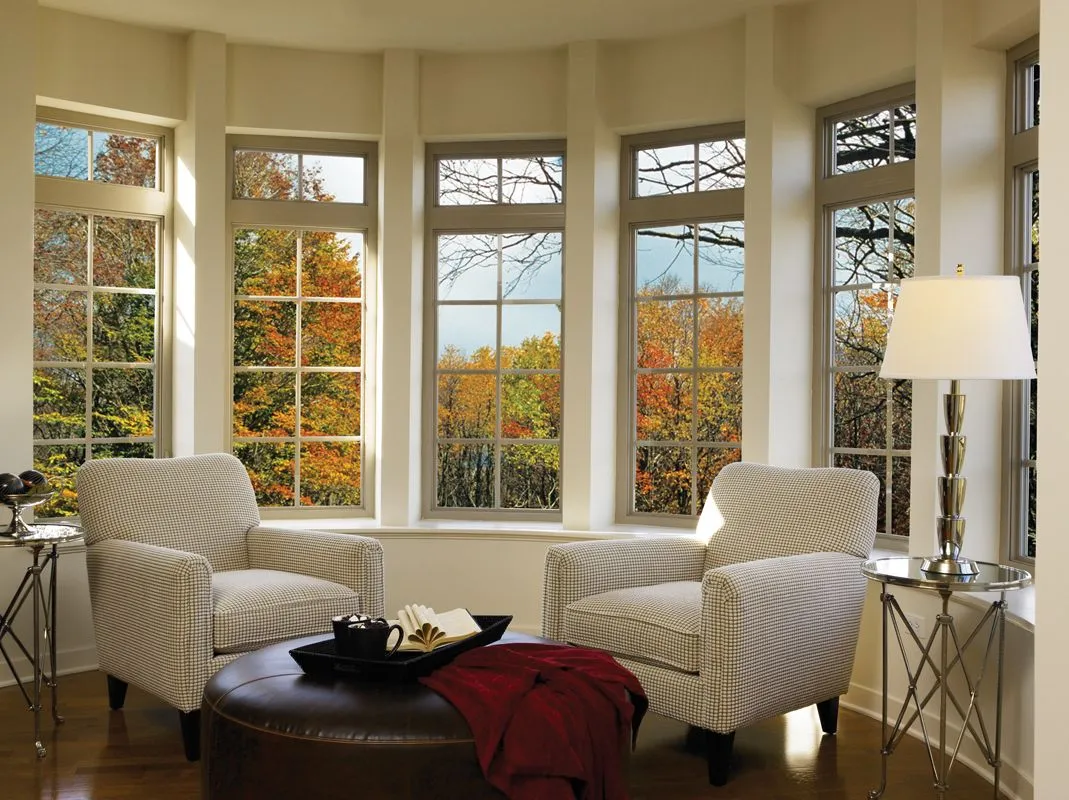
Window replacement is a significant investment, but the federal government and many states offer tax credits and rebates to help offset costs. These incentive programs are designed to encourage homeowners to upgrade to energy-efficient windows that reduce energy consumption and lower carbon emissions. Understanding which credits you qualify for can result in substantial savings—potentially thousands of dollars. This guide breaks down all available tax credits and rebates for window replacement in 2026.
The most significant federal incentive is the Energy Efficient Home Improvement Credit, which allows homeowners to claim a tax credit for qualifying energy-efficient improvements made to their primary residence.
Credit Amount:
For window replacement, you can claim a non-refundable tax credit of up to 30% of the cost, with a maximum lifetime limit of $3,200 for windows. This means if you spend $10,000 on qualified windows, you could claim a $3,000 credit (30%), though the lifetime cap applies across all eligible improvements.
Qualification Requirements:
To qualify for the federal tax credit, your windows must meet specific energy efficiency standards:
- NFRC (National Fenestration Rating Council) Certification: Windows must be certified by the NFRC
- Energy Performance Standards: Windows must have a solar heat gain coefficient (SHGC) of 0.20 or less, or a U-factor of 0.27 or less
- Primary Residence: The windows must be installed in your primary residence (not rental properties or vacation homes)
- Installation: Windows must be installed during the tax year you claim the credit
Important Note on Lifetime Limits:
The 30% credit for windows is part of a broader $3,200 lifetime limit for all residential energy efficiency improvements claimed after December 31, 2022. This cap applies to windows combined with other qualified improvements like insulation, doors, roofs, heat pumps, and more. Plan your improvements strategically if pursuing multiple upgrades.
How to Claim:
Complete Form 5695 (Residential Energy Credits) and attach it to your Form 1040 tax return. You'll need to keep receipts and documentation of your window purchase and installation, including manufacturer specifications confirming NFRC certification and energy performance ratings.
State and Local Rebate Programs
Beyond federal credits, many states, cities, and utility companies offer additional rebate programs for window replacement. These vary significantly by location but can provide $200-$1,500+ per window.
Utility Company Rebates:
Many electric and gas utilities offer rebates as part of energy efficiency programs. These programs aim to reduce peak demand and lower overall energy consumption. Contact your local utility company to ask about available window replacement rebates. Some utilities offer direct mail coupons, while others require application through their website.
State Energy Efficiency Programs:
- Utah State Programs: While federal credits are available to all Utah homeowners, some local utility districts and energy cooperatives offer additional state-specific rebates. Visit Utah Division of Public Utilities for current programs.
- Neighboring States: If you're in other states, research your state's energy efficiency program website for specific incentives.
Local Government Incentives:
Some Utah cities and counties offer property tax reductions or rebates for energy-efficient home improvements. Check with your local city or county government offices to determine what programs are available in your area.
Renewable Energy Tax Credit
While primarily designed for solar panels and heat pumps, certain window improvements that include integrated technology may qualify for the Renewable Energy Tax Credit under Section 25D.
What Qualifies:
- Windows with integrated smart glass or electrochromic technology
- Windows combined with solar power systems
- High-efficiency windows paired with geothermal systems
Credit Details:
This credit is separate from the energy efficiency credit above and can cover 30% of eligible costs. However, most standard replacement windows don't qualify for this credit, so focus on the energy efficiency credit discussed earlier.
Eligibility Requirements Explained
Energy Star Certified Windows:
Windows must carry the Energy Star label, indicating they meet strict energy performance guidelines established by the EPA and Department of Energy. Look for the Energy Star logo on the window label.
NFRC Ratings:
All windows are rated by the NFRC in four key areas:
- U-Factor: Measures heat loss (lower is better; 0.27 or less qualifies)
- Solar Heat Gain Coefficient (SHGC): Measures solar heat gain (0.20 or less qualifies)
- Visible Transmittance (VT): Measures visible light transmission
- Air Leakage: Measures air infiltration
Check your window documentation for these ratings to confirm they meet federal credit requirements.
Geographic Considerations:
Utah's climate affects which ratings matter most. In cooler northern Utah areas, a lower U-factor is critical for heating efficiency. In southern Utah's hotter regions, a lower SHGC helps with cooling. Most NFRC-certified Energy Star windows exceed standards for both metrics, making geographic variations less of a concern.
Documentation You'll Need
To claim the federal tax credit and maximize any rebates, gather the following documentation:
- Manufacturer Specifications: NFRC label showing U-factor and SHGC ratings
- Proof of Purchase: Receipts showing window costs
- Installation Documentation: Contractor invoice showing installation details and dates
- Energy Star Certification: Proof that windows carry Energy Star certification
- Utility Rebate Forms: Applications or documentation if claiming utility company rebates
- Property Address and Tax Information: To verify primary residence status
Keep these documents for at least three years after filing your tax return. The IRS may audit energy-related deductions, and having complete documentation protects you.
Calculating Your Tax Savings
Here's a practical example: If you replace windows in your home and spend $12,000 on qualified Energy Star windows with appropriate NFRC ratings:
- Federal Tax Credit: 30% × $12,000 = $3,600 (but capped at $3,200 lifetime limit) = $3,200 tax credit
- Local Utility Rebate: Hypothetical $500 per window × 8 windows = $4,000 rebate
- Total Incentive Savings: $7,200 (reducing your net cost to $4,800)
This example demonstrates why investigating all available programs can dramatically reduce your window replacement investment.
Tax Credit vs. Tax Deduction: Understanding the Difference
Homeowners sometimes confuse tax credits with tax deductions. Here's the important distinction:
Tax Credit: A dollar-for-dollar reduction of the taxes you owe. A $3,200 credit reduces your tax liability by exactly $3,200.
Tax Deduction: A reduction in your taxable income. A $3,200 deduction saves you 22-24% of that amount, depending on your tax bracket.
The federal energy tax credit is a credit, not a deduction, making it far more valuable. You don't need to itemize deductions to claim it; it applies whether you take the standard deduction or itemize.
Combining Credits with Financing
The federal tax credit is separate from any financing options. You can claim the tax credit and still use home equity loans, personal loans, or manufacturer financing. The credit reduces your out-of-pocket costs after the project is complete, making it especially valuable with financed windows.
Example with Financing:
- Window cost: $12,000
- Financed with a home equity loan
- Federal tax credit: $3,200
- Effective cost after credit: $8,800 (over loan term)
Important Deadlines and Changes
The current federal energy tax credit is scheduled to step down:
- 2026: 30% credit (current)
- 2027-2032: Credit decreases to 26% and then 22%
- After 2032: Credit expires unless Congress extends it
This phase-down makes 2026 an excellent year to complete window replacement if you've been considering the upgrade. Waiting could cost you hundreds or thousands in lost credits.
Utah-Specific Timing:
Many utility company rebate programs are seasonal or have limited annual funding. If you're targeting local rebates, complete your project during the budget year of the program to ensure availability.
Hiring a Professional Contractor
Ensure your contractor knows which windows qualify for tax credits. Professional installation by a licensed contractor is often required to validate the installation for tax purposes. Request that your contractor:
- Use NFRC-certified Energy Star windows
- Document installation with photos and detailed invoices
- Keep records of all window specifications
- Provide manufacturer documents verifying ratings
For window replacement in the Salt Lake City area and throughout Utah's service areas, working with experienced professionals ensures proper installation and documentation for tax credit claims.
Rental Properties and Multi-Unit Dwellings
Unfortunately, the federal tax credit only applies to primary residences. Rental properties, investment homes, and multi-unit dwellings don't qualify. However, rental property owners may be able to depreciate window improvements as business expenses—consult a tax professional for guidance specific to your situation.
Consulting a Tax Professional
While this guide provides comprehensive information, tax situations vary. Consider consulting a certified tax professional or accountant to:
- Confirm your specific eligibility
- Verify lifetime credit limits if you've claimed energy credits before
- Optimize your tax strategy if completing multiple home improvements
- Ensure proper documentation and filing
Tax professionals are especially valuable if you're pursuing multiple energy efficiency improvements (windows, doors, insulation, heat pumps) simultaneously, as the $3,200 lifetime cap affects your strategy.
- Energy.gov Tax Credits: https://www.energy.gov/energysaver/tax-credits-home-improvements - Official federal government resource for all energy efficiency tax credits
- NFRC Window Ratings: https://www.nfrc.org - Complete information on window ratings and certified products
- IRS Form 5695: https://www.irs.gov - Access the official form and detailed instructions
- Energy Star Windows: https://www.energystar.gov - Database of certified products and program details
Making Your Window Replacement Decision
Window replacement is one of the best home improvements you can make for long-term energy savings and comfort. Federal tax credits and state rebates make this investment more affordable than ever. By understanding the available incentives and planning your project strategically, you can significantly reduce your out-of-pocket costs.
Calculate your potential savings, gather quotes from qualified contractors, and consider completing your project before 2027 when the federal credit decreases. Combined with the comfort, aesthetic, and home value improvements new windows provide, the financial incentives make window replacement a smart investment for Utah homeowners.
For more guidance on window replacement options and local service availability, explore our comprehensive service areas and learn about energy-efficient window choices that maximize your tax credit benefits.