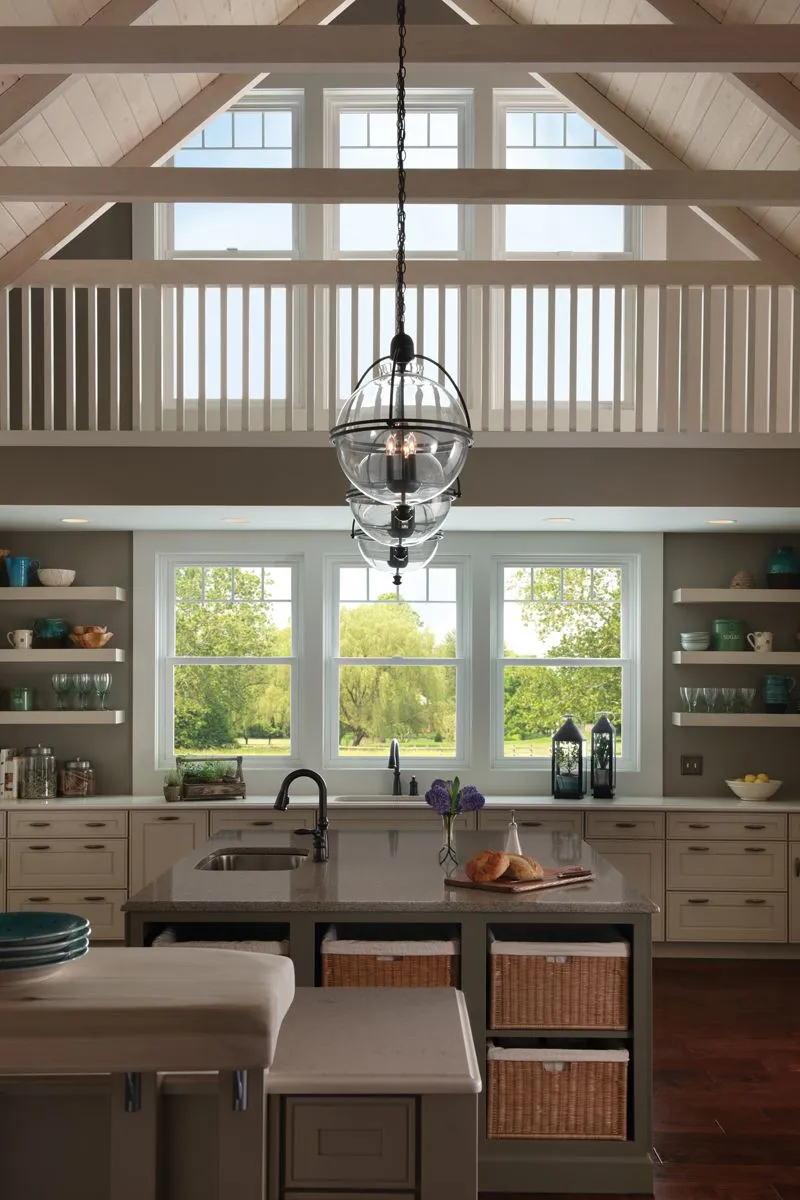
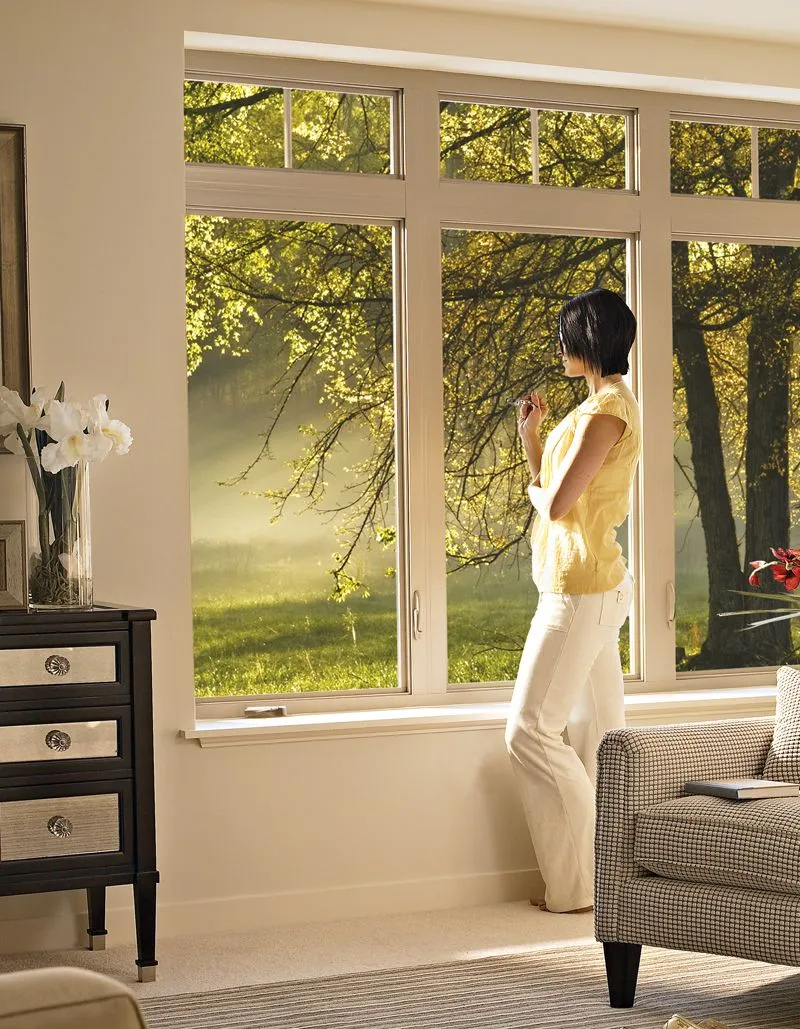
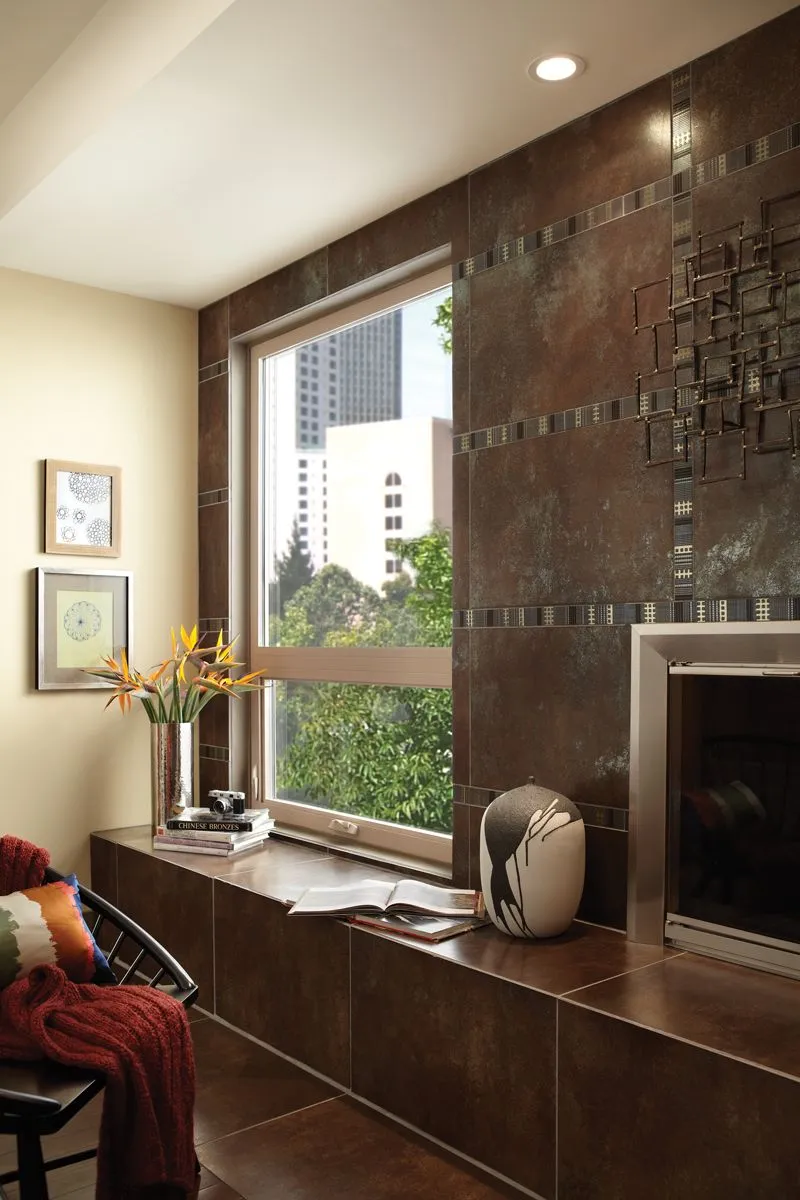
Double pane windows are significantly superior to single pane windows in nearly every way, offering better energy efficiency, improved soundproofing, enhanced security, and greater durability. If your home still has single pane windows, upgrading to double pane (also called dual pane) windows is one of the most impactful home improvements you can make for comfort, energy savings, and home value—especially in Utah's variable climate.
What Are Single Pane Windows?
Single pane windows consist of a single sheet of glass held in a frame. They were the standard in residential construction for most of the 20th century and are still found in many older homes.
Characteristics of single pane windows:
- One layer of glass between interior and exterior
- Minimal insulation value (almost none)
- Frame is typically wood, aluminum, or older vinyl
- Conduct heat and cold directly indoors
- Allow significant air infiltration and drafts
- Provide minimal noise reduction
- Vulnerable to breaking and entry
- Require regular maintenance (especially wood frames)
- Common in homes built before 1980
- Rarely meet modern building codes
What Are Double Pane Windows?
Double pane windows (also called dual pane or insulated windows) feature two sheets of glass separated by a space filled with air or insulating gas. This design creates a thermal barrier that dramatically improves energy efficiency.
Key features of double pane windows:
- Two glass panes separated by 1/2 inch to 1 inch
- Sealed airspace between panes (sometimes filled with argon or krypton gas)
- Thermal break in the frame separates interior and exterior temperatures
- Modern Low-E coatings reduce heat transfer
- High performance seals prevent air infiltration
- Significantly better insulation than single pane
- Multiple frame material options (vinyl, fiberglass, aluminum with thermal break)
- Meets or exceeds energy codes in all U.S. climates
- Can include triple pane options for extreme climates
Energy Efficiency Comparison
The most dramatic difference between single pane and double pane windows is energy performance. This directly impacts your utility bills and home comfort.
Heat Loss Comparison
Single pane windows:
- U-factor rating: 1.0 or higher (poor insulation)
- Heat loss: Conducts interior warmth directly outside
- Winter performance: Significant heat loss through glass and frame
- Summer performance: Direct solar heat gain warms interior
- Draftiness: Air readily infiltrates around seals
- Annual heating/cooling loss: Can account for 25-30% of home energy use
Double pane windows:
- U-factor rating: 0.30-0.50 (excellent insulation)
- Heat loss: 50% reduction compared to single pane
- Winter performance: Airspace acts as insulation barrier
- Summer performance: Low-E coatings reject solar heat
- Air sealing: Multiple seals reduce infiltration to near zero
- Annual energy savings: 15-30% reduction in heating/cooling costs
- Energy payback: Typically 5-15 years through utility savings
Real-World Utah Example
A typical Utah home with 15 single pane windows in 2,000 square feet might pay $1,500-2,500 annually for heating and cooling energy loss through windows alone. Upgrading to double pane windows typically reduces this by $500-1,000 per year. Over 20 years, that's $10,000-20,000 in energy savings that pay for the window replacement multiple times over.
Comfort Improvements
Beyond energy savings, double pane windows dramatically improve daily comfort in your home.
Temperature Control
Single pane windows create:
- Cold spots near windows in winter (radiative cooling)
- Hot spots in summer
- Temperature stratification in rooms
- Drafts even when windows are closed
- Uneven heating/cooling requiring higher thermostat settings
- Difficulty maintaining consistent comfort
Double pane windows provide:
- Warmer window surfaces in winter (interior pane stays warmer)
- Cooler window surfaces in summer
- Even room temperature distribution
- Elimination of drafts and cold spots
- Ability to lower thermostat 2-3 degrees without discomfort
- Consistent comfort throughout living spaces
Condensation Reduction
Single pane windows are notorious for condensation buildup on cold mornings or humid days—moisture forms on the glass and frame, causing wood rot, mold growth, and water damage.
Double pane windows dramatically reduce condensation because:
- Interior glass pane stays warmer in winter
- Lower moisture can condense on the surface
- Better frame materials resist moisture damage
- Sealed insulating airspace prevents moisture between panes
- Proper ventilation works better with tighter windows
If your single pane windows consistently show condensation, upgrading to double pane windows will virtually eliminate the problem.
Noise Reduction Benefits
Double pane windows provide substantial soundproofing improvements, a major advantage if you live near traffic, airports, or other noise sources.
Single pane window sound reduction:
- Minimal noise reduction (5-10 decibels)
- Exterior traffic noise clearly audible indoors
- Aircraft noise penetrates easily
- Neighborhood noise intrudes on quiet activities
- Sleep disruption from outside sounds
Double pane window sound reduction:
- Moderate noise reduction (20-30 decibels)
- Noticeable reduction in traffic and street noise
- Aircraft noise significantly diminished
- Neighborhood sounds less intrusive
- Better sleep quality in noisy areas
- Improved concentration indoors
The airspace between panes absorbs sound vibrations, and modern high-performance windows include laminated glass or specialized acoustic treatments for even greater noise reduction in the 30-40 decibel range.
Security Advantages
Double pane windows offer improved security compared to single pane glass in several ways.
Single pane vulnerabilities:
- Single layer breaks easily under impact
- Easy to break out the glass and reach inside
- Thin glass offers minimal security against break-ins
- Broken window creates immediate hazard
- Repair requires replacement of entire pane
Double pane security benefits:
- Two layers of glass require more force to break through
- Can specify tempered or laminated glass for even greater security
- Laminated glass holds together when broken (like car windshields)
- Breaking one pane doesn't compromise security
- Inner pane remains intact, maintaining protection
- Slower to force entry, alerting occupants
- Can combine with impact-resistant glass for maximum protection
Cost Comparison
Double pane windows cost more upfront than single pane windows, but the investment pays for itself through energy savings and home value appreciation.
Single Pane Window Costs
If you still needed single pane windows (rarely installed today):
- Material cost: $50-150 per window
- Installation cost: $100-300 per window
- Total cost per window: $150-450
Double Pane Window Costs
Double pane replacement windows for typical U.S. homes:
- Basic double pane (vinyl frame): $250-400 per window
- Mid-range double pane (vinyl with Low-E): $300-500 per window
- High-performance double pane (fiberglass/aluminum): $400-800 per window
- Installation cost: $200-500 per window
- Total cost per window: $450-1,300
For a typical 15-window home:
- Single pane replacement (if available): $2,250-6,750
- Double pane replacement: $6,750-19,500
- Cost difference: $4,500-12,750
Financial Return on Investment
The higher upfront cost is offset by multiple financial benefits:
Energy savings:
- Typical payback period: 5-15 years
- Annual savings: $500-1,000+ (depending on climate and efficiency upgrades)
- 20-year savings: $10,000-20,000
Home value increase:
- Average ROI: 70-80% of window replacement cost
- $10,000 window project: $7,000-8,000 value increase
- Homebuyers expect modern double pane windows as standard
- Older homes with single pane sell at a discount
Comfort and quality of life:
- Reduced drafts and cold spots
- Better sleep quality from noise reduction
- Lower heating/cooling costs (tangible monthly benefit)
- Potential health benefits from reduced mold/condensation
Utah Climate Considerations
Utah's climate makes double pane windows an especially important investment.
Winter challenges:
- Cold temperatures (often below freezing for months)
- Significant temperature swings between day and night
- Single pane windows create extreme heat loss
- Heating bills spike in winter
- Moisture condensation is severe problem
- Winter sun provides some solar gain benefit (double pane with right coating captures this)
Summer challenges:
- Hot, dry climate with intense sun
- Significant cooling costs in July-August
- Single pane windows admit excessive solar heat
- Double pane with Low-E coating reduces cooling needs
- Daytime/nighttime temperature swings strain single pane windows
Spring and Fall:
- Variable conditions require thermal flexibility
- Double pane windows maintain comfort during transitions
- Morning condensation problems common with single pane in spring
For Utah homes, upgrading from single pane to double pane windows typically pays for itself in 5-10 years through energy savings alone, making it one of the smartest investments for Utah homeowners.
Window Frame Material Options
When replacing single pane windows with double pane, you'll choose frame material. Each offers different benefits.
Vinyl Double Pane Windows
Best for: Most homeowners seeking excellent value
- Affordable ($300-500 per window installed)
- Energy efficient with multi-chambered frames
- Low maintenance (no painting or staining)
- Wide color selection
- 20-30 year lifespan
- Less durable in extreme heat (less ideal in Arizona, more suitable for Utah)
Fiberglass Double Pane Windows
Best for: High-performance, long-term investment
- Superior energy efficiency (comparable to wood, better than vinyl)
- Paintable to match any exterior color
- Very durable (25-35 year lifespan or longer)
- Stronger than vinyl frames
- More expensive ($400-800 per window installed)
- Excellent for Utah's variable climate
Aluminum with Thermal Break Double Pane Windows
Best for: Modern, minimalist aesthetics
- Slim frame profiles allow more glass area
- Contemporary appearance
- Good durability (20-30 years)
- Requires thermal breaks for energy efficiency
- More common in commercial applications
- Higher price point ($500-900 per window installed)
- Modern thermal technology makes them viable for Utah homes
Wood Double Pane Windows
Best for: Historic homes, premium aesthetics
- Beautiful traditional appearance
- Excellent insulation (naturally higher R-value)
- Most expensive option ($600-1,200+ per window installed)
- Requires regular maintenance (painting/staining every 5-7 years)
- Not recommended for areas with high moisture
- Increasingly rare and specialized
Making the Upgrade Decision
If your home has single pane windows, here's how to decide whether to upgrade now or wait.
Upgrade your windows now if:
- Your home is over 30 years old (single pane windows are due for replacement)
- You experience significant drafts or cold spots in winter
- Your heating/cooling bills are higher than average
- You notice regular condensation on windows
- You're planning to stay in your home 5+ more years
- You have wood-frame windows showing rot or decay
- You want to improve home comfort significantly
- You're considering selling and want to increase home value
- You live in a noisy area and want sound reduction
- You're missing out on modern window features and security
You might wait if:
- Your single pane windows are in excellent condition (rare for older windows)
- You're planning to move within 2-3 years (may not recoup costs)
- Budget is extremely limited (consider replacement in stages)
- Windows are specialty sizes requiring custom frames
How to Get Started
Ready to upgrade from single pane to double pane windows? Here's the process:
Step 1: Get Your Home Assessed
Contact Utah Window Experts to schedule a free in-home assessment. We'll evaluate your current windows, discuss your priorities (energy savings, noise reduction, aesthetics), and recommend the best replacement options for your home.
Step 2: Understand Your Options
We'll explain:
- Window styles available (double-hung, casement, awning, etc.)
- Frame material options and their benefits
- Energy efficiency levels and costs
- Warranty coverage and options
- Timeline for replacement
Step 3: Get a Detailed Quote
Receive a comprehensive quote including:
- Specific window specifications
- Total project cost and financing options
- Installation timeline
- Warranty coverage
- Removal and disposal of old windows
Step 4: Professional Installation
Our certified installers will:
- Professionally remove old single pane windows
- Properly measure and install new double pane windows
- Seal and caulk for air-tight installation
- Ensure optimal performance and longevity
Step 5: Enjoy Your Improvements
Start saving on energy bills immediately and enjoy improved comfort, reduced noise, and better home value right away.
Service Areas
Utah Window Experts serves the entire Salt Lake City area and surrounding communities. We offer free estimates and consultations at:
- Service Areas - View all locations we serve
- Salt Lake City Windows
- Provo Windows
- Ogden Windows
- Plus many more locations throughout Utah
Conclusion
The difference between single pane and double pane windows is dramatic and clear: double pane windows provide superior energy efficiency, comfort, sound reduction, and security. While the upfront investment is higher, the long-term benefits—substantial energy savings, improved home value, and enhanced daily comfort—make double pane windows an investment that pays for itself.
If your Utah home still has single pane windows, upgrading should be a priority. The combination of Utah's variable climate (extreme cold in winter, intense heat in summer), rising energy costs, and the long-term value increase makes this one of the smartest home improvements you can make.
For more information on window styles, materials, and energy efficiency options, explore our complete guide to window replacement or schedule a free consultation with Utah Window Experts today.
Additional Resources