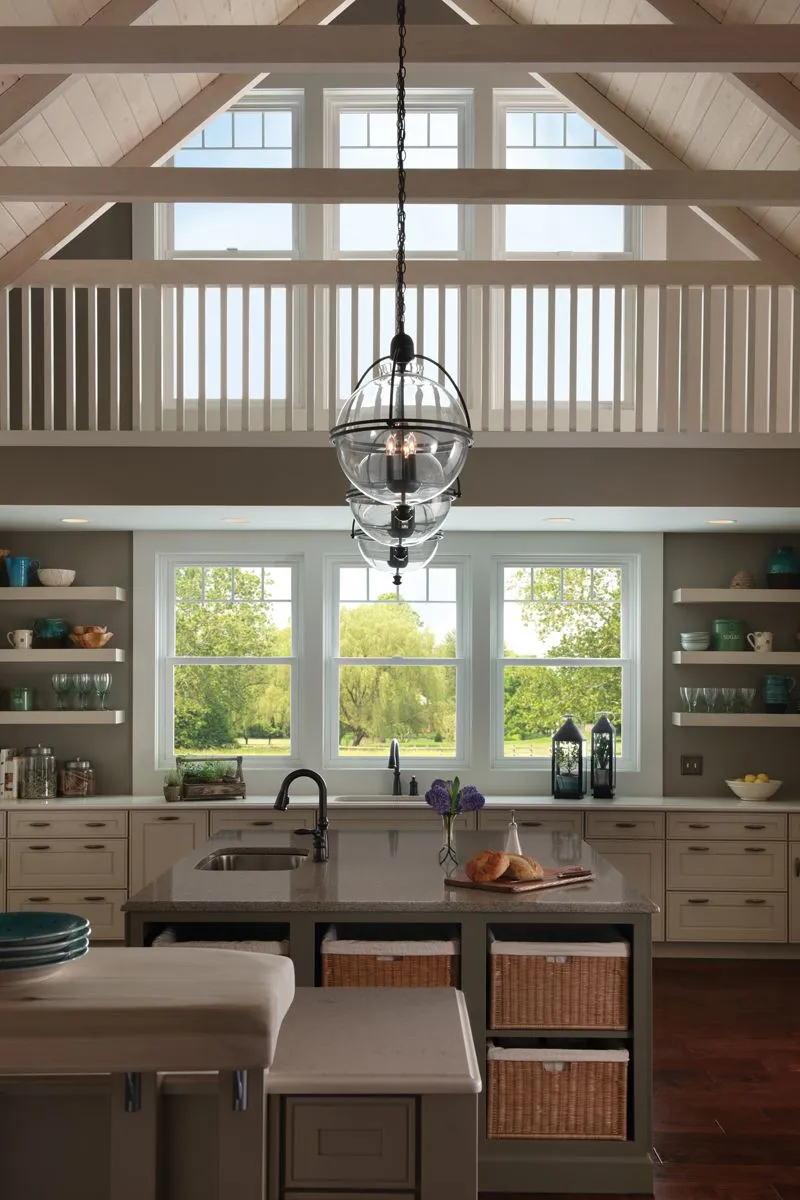
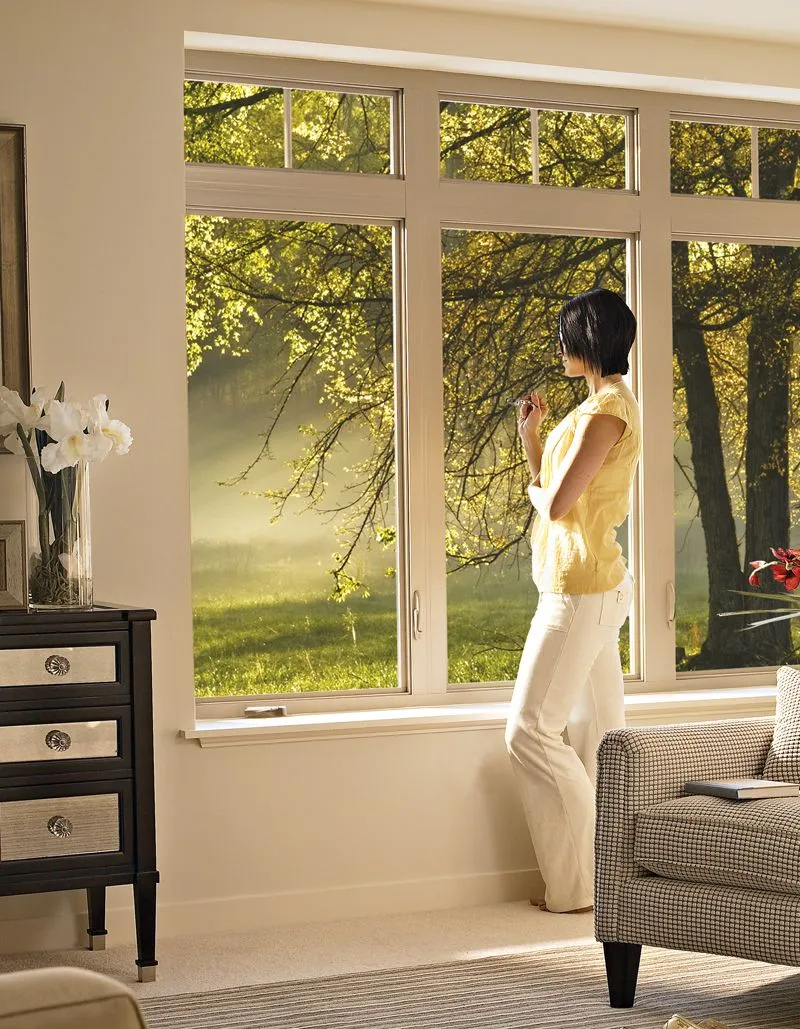
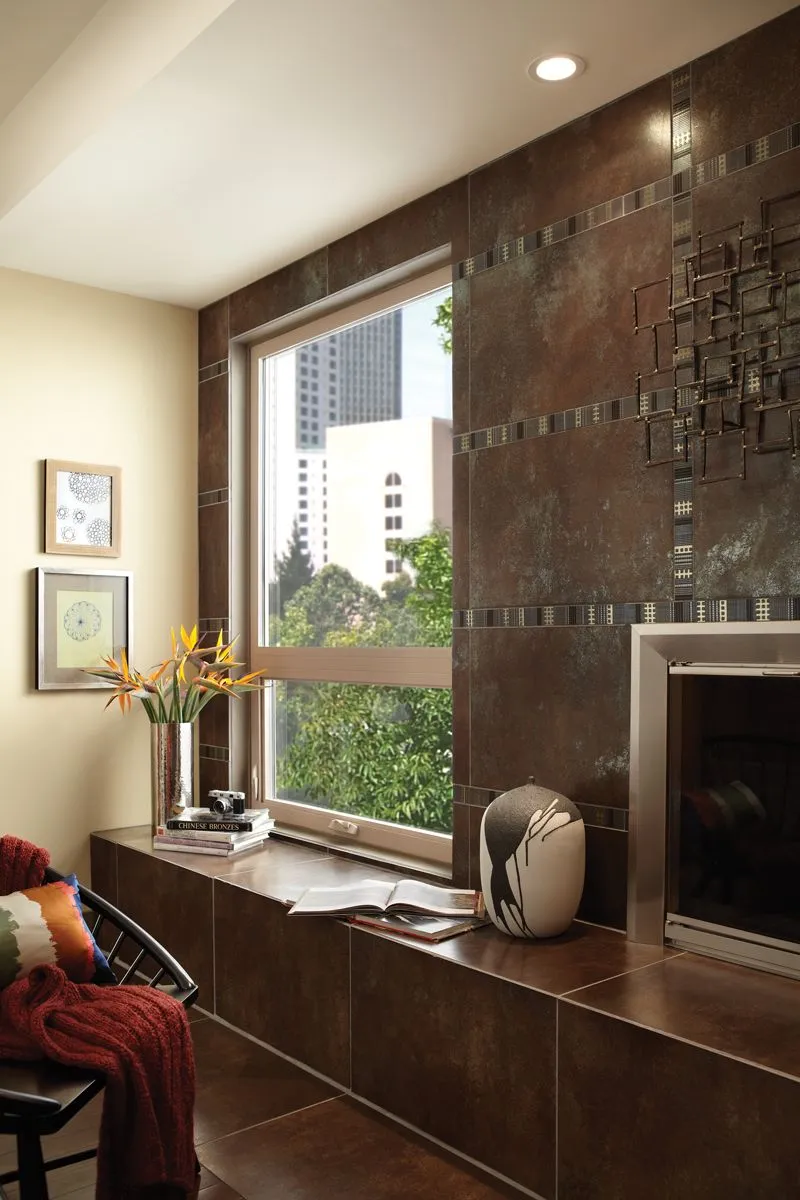
Low-E windows are among the most effective energy-efficient upgrades available for Utah homes. These specialized windows feature a microscopic coating that reflects heat while allowing light to pass through, reducing your heating and cooling costs significantly. If you're replacing old windows or building a new home, understanding Low-E technology helps you make an informed decision about the right windows for Utah's demanding climate.
What Are Low-E Windows?
Low-E stands for "Low-Emissivity," referring to windows with a special coating applied to the glass surface. This microscopically thin, transparent coating reflects infrared light (heat) back into the room while allowing visible light to enter. The coating is so thin that it's nearly invisible to the naked eye, yet highly effective at managing heat transfer.
The coating is typically made of metallic oxides, most commonly silver, and is applied to one or more glass panes in a multi-pane window. In a double-pane window, the coating is usually applied to the interior side of the outer pane or the exterior side of the inner pane, depending on whether you want to maximize heat retention (cold climates) or heat rejection (hot climates).
How Low-E Windows Work
Low-E windows operate on basic physics principles of thermal radiation:
Heat Transfer Basics:
- The sun transmits energy in three forms: ultraviolet (UV), visible light, and infrared (heat)
- Traditional windows allow all three to pass through equally
- Low-E coatings selectively block infrared radiation while allowing visible light through
In Winter (Heat Retention):
The Low-E coating reflects interior heat back inside, keeping warm air from escaping through the windows. This reduces heating costs and improves comfort.
In Summer (Heat Rejection):
The coating reflects incoming solar radiation, preventing excess heat from entering your home. This reduces air conditioning costs and prevents overheating.
The Result:
Year-round energy savings by maintaining more stable interior temperatures with less reliance on heating and cooling systems.
Types of Low-E Coatings
Low-E windows come in different types, optimized for different climates:
Passive Low-E (Heat-Reflective)
- Designed to maximize heat retention in winter
- Allows maximum solar radiation to enter
- Best for cold climates like Utah
- Reduces heating costs by 15-20%
- Slightly reduces cooling efficiency
Solar Control Low-E (Heat-Blocking)
- Designed to minimize solar heat gain in summer
- Reflects more incoming heat
- Best for hot climates or south/west-facing windows
- Reduces cooling costs significantly
- May increase heating costs slightly
Neutral Low-E
- Balanced approach between heating and cooling
- Works well in moderate climates
- Provides year-round energy savings
- Ideal for homes with varying sun exposure
Benefits of Low-E Windows
1. Lower Energy Bills
The primary benefit of Low-E windows is reduced energy consumption:
- Heating savings: 15-25% reduction in winter heating costs
- Cooling savings: 20-30% reduction in summer cooling costs
- Annual savings: Average homeowner saves $100-300 per year on utility bills
- Long-term savings: Over 20 years, savings typically range from $2,000-6,000
The exact savings depend on your current windows, home size, energy prices, and climate zone.
2. Improved Comfort
Beyond cost savings, Low-E windows increase comfort:
- Eliminates cold spots near windows in winter
- Reduces drafts and temperature fluctuations
- Maintains more consistent interior temperatures
- Reduces the need to adjust thermostats frequently
- Less condensation buildup on window glass
3. UV Protection
Low-E coatings block 60-80% of ultraviolet (UV) radiation:
- Protects furniture, flooring, and fabrics from fading
- Reduces sun damage to artwork and interior finishes
- Extends the life of interior furnishings
- Especially valuable for homes with significant south or west-facing windows
4. Enhanced Durability
Modern Low-E coatings are highly durable:
- Coatings don't degrade from UV exposure
- Remains effective for the entire lifetime of the window
- Resistant to moisture and environmental degradation
- No maintenance required to maintain effectiveness
5. Better for the Environment
Energy-efficient windows reduce your carbon footprint:
- Lower energy consumption means reduced reliance on fossil fuels
- Decreases greenhouse gas emissions from your home
- Contributes to Utah's environmental goals
- Supports sustainable home practices
6. Possible Tax Credits and Rebates
Federal tax credits and utility rebates may apply:
- Federal Energy Tax Credit: Up to $3,200 for qualifying window replacements in 2026
- Many Utah utilities offer rebates for energy-efficient window upgrades
- Check our guide on window replacement tax credits and rebates 2026 for current incentives
Low-E Window Costs
Understanding the cost of Low-E windows helps you evaluate the return on investment.
Window Unit Costs
- Standard vinyl windows: $150-300 per window
- Low-E vinyl windows: $200-400 per window
- Premium Low-E windows: $400-800 per window
- Additional cost for Low-E: $50-200 per window (15-40% premium)
Installation Costs
- Professional installation: $50-150 per window
- Retrofit installation (existing frame): $50-100 per window
- Full-frame replacement: $100-200 per window
- Labor for 10-window project: $500-2,000
Total Project Costs
For a typical home:
- Small project (5-8 windows): $1,500-4,000
- Medium project (10-15 windows): $3,000-8,000
- Large project (20+ windows): $6,000-15,000+
Return on Investment (ROI)
Low-E windows typically break even in 5-10 years:
- Energy savings: $100-300 annually
- Increased home value: 70-80% of window cost recouped at resale
- Comfort improvements: Value that's hard to quantify but significant
- Total ROI: 100%+ over 10-15 years
Choosing the Right Low-E Windows for Utah
Utah's climate requires careful window selection:
Utah Climate Considerations
Utah experiences:
- Cold winters with temperatures dropping to 0°F or below
- Hot summers with temperatures exceeding 90°F
- Significant solar radiation due to high altitude and clear skies
- Dramatic temperature swings between seasons
- Low humidity that can stress window seals
Recommended Low-E Type for Utah
For most Utah homes, passive Low-E (heat-reflective) is the best choice:
- Maximizes winter heat retention
- Utah's heating season is longer than cooling
- Altitude and solar exposure benefit from passive Low-E
- Cooling efficiency is still good with modern window designs
Consider solar control Low-E for:
- South and west-facing windows receiving intense sun
- Homes with significant glass area (many windows)
- Upper-level windows receiving maximum solar exposure
- Rooms that tend to overheat in summer
Additional Window Features to Pair with Low-E
For maximum performance, combine Low-E windows with:
- Double or triple pane: Low-E is most effective with multiple panes
- Argon gas fill: Improves insulation between panes
- Insulated frames: Vinyl or fiberglass frames reduce heat transfer at edges
- Thermal breaks: Barrier in frame materials reduces conduction
- Quality seals: Proper installation ensures the coating performs optimally
Low-E vs. Other Energy-Efficient Options
Low-E vs. Standard Windows
- Standard windows: No special coating, single or double pane
- Low-E windows: Specialized coating provides superior heat control
- Cost difference: $50-200 more per window
- Energy performance: Low-E is 25-35% more efficient
- Argon gas fill: Insulating gas between panes
- Low-E coating: Heat-reflective surface treatment
- Best together: Most efficient windows combine both technologies
- Savings comparison: Low-E alone saves 15-20%, combined saves 25-40%
Low-E vs. Triple Pane Windows
- Triple pane: Three panes with two air spaces
- Low-E: Coating technology, works with any pane count
- Performance: Triple pane with Low-E is most efficient but most expensive
- For Utah: Double pane with Low-E provides excellent value
Installation Process for Low-E Windows
Installing Low-E windows follows standard window replacement procedures:
Step 1: Professional Measurement
- Accurate measurements ensure proper fit
- Contractor measures width and height at multiple points
- Accounts for existing frame condition
- Determines if retrofit or full-frame replacement is needed
Step 2: Window Selection
- Choose Low-E type (passive or solar control)
- Select frame material (vinyl recommended for Utah)
- Choose pane configuration (double pane minimum)
- Decide on additional features (argon fill, warm edge frames)
Step 3: Preparation
- Remove existing windows carefully
- Inspect frame for damage
- Clean frame and prepare opening
- Address any frame damage before installation
Step 4: Installation
- Insert new Low-E window into opening
- Shim and level the window
- Seal around frame with foam sealant
- Install interior and exterior trim
- Caulk seams to prevent air leaks
Step 5: Quality Assurance
- Test window operation
- Verify seals are complete
- Check for proper installation
- Ensure trim is secure and weathertight
Learn more about what to expect during window installation.
Maintenance and Care of Low-E Windows
Low-E windows require minimal special maintenance:
Regular Cleaning
- Clean glass regularly with standard window cleaner
- Use soft, non-abrasive cloths to avoid coating damage
- Clean frames and sills to prevent seal degradation
- Monthly cleaning maintains appearance and performance
Important DON'Ts
- Don't use abrasive cleaners: Can damage the Low-E coating
- Don't scrape windows aggressively: Avoid permanent damage
- Don't use vinegar-based cleaners excessively: Can degrade seals over time
- Don't ignore condensation: May indicate seal failure
When to Call a Professional
- Seal failure (water inside panes)
- Visible coating damage
- Significant condensation between panes
- Operational problems (stuck sashes)
FAQs About Low-E Windows
Do Low-E windows make rooms darker?
No, Low-E coatings are nearly invisible. They transmit over 80% of visible light while blocking infrared heat. Your home will be just as bright as with standard windows.
Can Low-E coatings be applied to existing windows?
Yes, aftermarket Low-E film can be applied to existing windows, but factory-applied Low-E coating is more durable and performs better.
How long do Low-E coatings last?
Factory-applied Low-E coatings last the lifetime of the window, typically 20-30+ years. The coating is extremely durable and doesn't degrade over time.
Is passive or solar control Low-E better for Utah?
For most Utah homes, passive Low-E is better because heating season is longer than cooling season. However, south and west-facing windows benefit from solar control Low-E.
Can I mix window types in my home?
Yes, many homes use passive Low-E on north and east-facing windows and solar control Low-E on south and west-facing windows for optimal performance.
How much will Low-E windows save on my energy bill?
Savings vary based on current windows, home size, and energy prices. Most homeowners save $100-300 annually, recovering the window cost in 5-10 years.
Are Low-E windows worth the extra cost?
For Utah homeowners, yes. The energy savings, improved comfort, UV protection, and potential increased home value typically justify the 15-40% higher cost.
Do Low-E windows affect natural light quality?
Low-E coatings have virtually no impact on visible light transmission. Natural light enters your home normally while heat is reflected.
UV Protection and Low-E Windows
Beyond energy savings, Low-E windows protect your home's interior:
Benefits of UV Protection:
- Blocks 60-80% of damaging ultraviolet radiation
- Prevents fading of furniture, carpets, and artwork
- Protects interior finishes from sun damage
- Extends the life of window treatments
- Reduces need for supplemental sunscreen film
UV Protection Value:
For homes with significant south or west-facing windows, the UV protection alone can be worth the Low-E investment by preventing expensive damage to interior furnishings.
Finding the Right Low-E Windows for Your Utah Home
Selecting the right Low-E windows requires understanding your home's specific needs. Consider:
- Current window age and condition
- Your home's sun exposure and window orientation
- Budget and payback timeline
- Long-term plans for your home
- Local climate and weather patterns
- Aesthetic preferences for window frames and styles
For a more detailed analysis of how to choose energy-efficient windows, review our comprehensive guide.
Professional Installation in Utah
Proper installation is critical to Low-E window performance:
- Professional installers ensure correct positioning and sealing
- Poor installation negates much of the Low-E window benefit
- Licensed contractors understand Utah building codes
- Quality installation often includes performance guarantees
Utah homeowners in our service areas can benefit from professional Low-E window selection and installation. We serve locations throughout Utah including Salt Lake City, Provo, Ogden, Draper, and many other communities.
Additional Resources
Learn more about energy-efficient windows and related topics:
For independent research on Low-E window technology, the International Window Association provides technical information about window performance standards.
Making the Investment in Low-E Windows
Low-E windows represent one of the most effective energy efficiency upgrades available for Utah homes. The combination of immediate energy savings, improved comfort, UV protection, and long-term home value increases makes them an excellent investment.
Whether you're replacing a few single-pane windows or upgrading your entire home, choosing Low-E technology puts you on the path to lower utility bills, greater comfort, and a more sustainable home. The relatively modest additional cost quickly pays for itself through energy savings while providing benefits that extend far beyond the bottom line.
Ready to upgrade to Low-E windows? Check our service areas to find professional window replacement services in your Utah community. Our network of experienced contractors can help you select, install, and maintain Low-E windows that will serve your home for decades.