
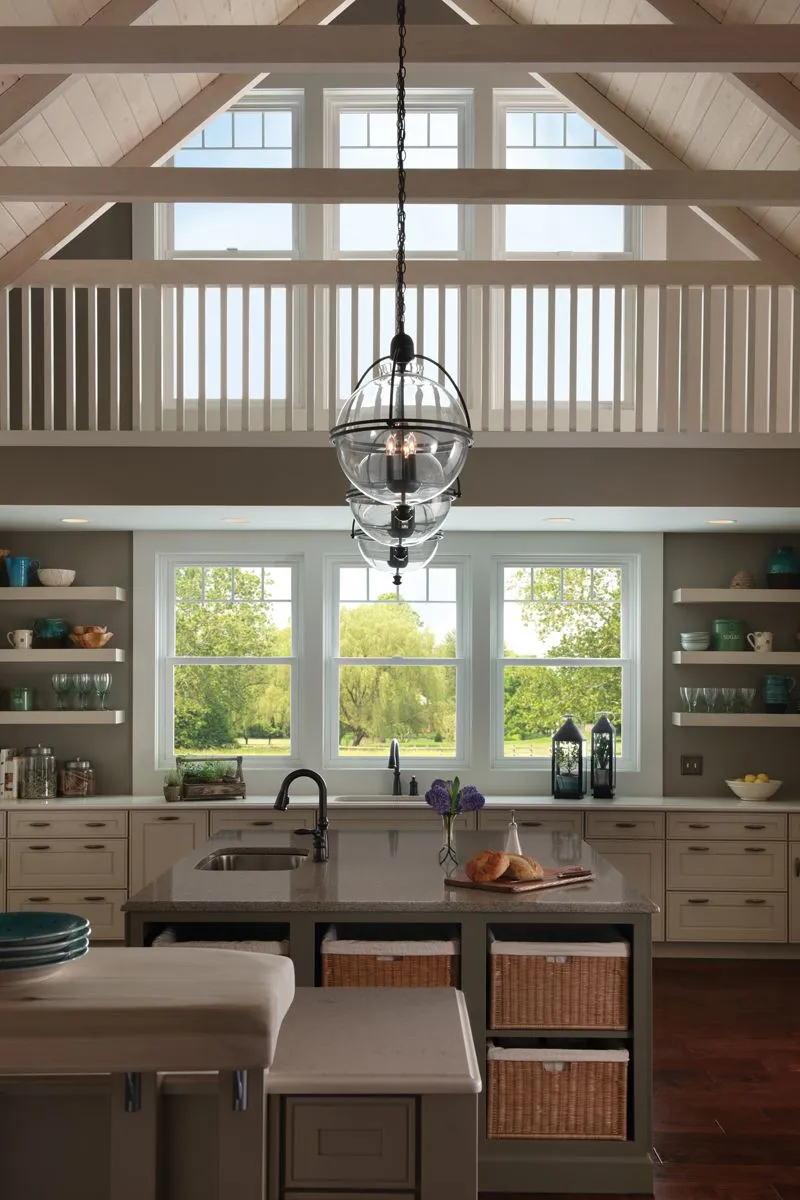
Can I Replace Just a Few Windows in My House? Partial Window Replacement Explained
Yes, you can replace just a few windows in your Utah home. Here is when partial replacement makes sense, what to watch for, and how to plan it well.

Alan Horne
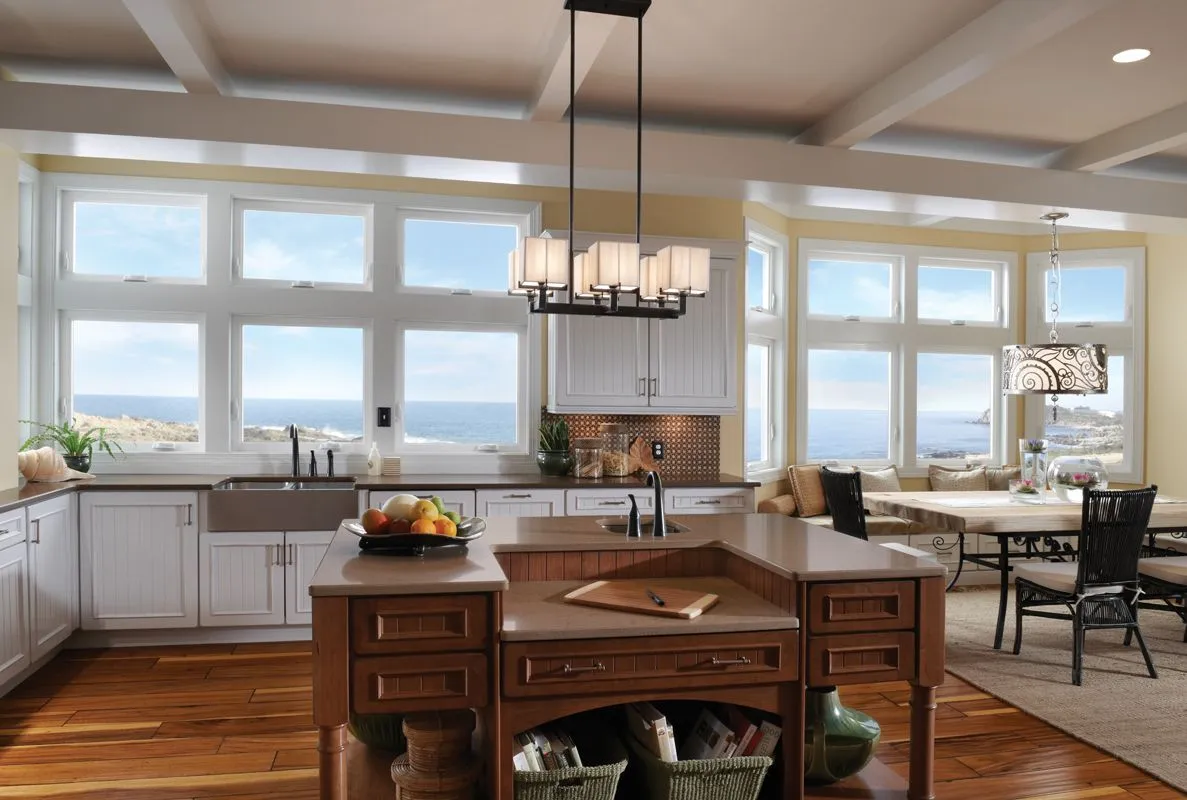
Argon gas in windows is one of the most effective ways to improve your home's energy efficiency, but many homeowners don't understand what it is or why it matters. If you're considering window replacement, understanding argon gas will help you make informed decisions that save money on energy bills for decades. This guide explains everything you need to know about argon gas windows, their benefits, costs, and whether they're the right choice for your Utah home.
Argon is an odorless, colorless, non-toxic noble gas that fills the space between glass panes in modern windows. Instead of filling the gap with regular air (which conducts heat), window manufacturers use argon gas because it's a much better insulator.
In double-pane or triple-pane windows, the space between glass sheets contains either air or argon gas:
Because argon gas molecules are larger and heavier than air molecules, they transfer heat much more slowly. This creates superior insulation between the glass panes, keeping heat inside during winter and blocking heat from entering during summer.
Krypton is an even better insulator than argon but costs significantly more. Most residential windows use argon because it offers the best balance of performance and affordability. Krypton is typically reserved for premium applications where space is limited (like skylights) or maximum performance is required.
Utah's climate makes argon gas windows particularly valuable for homeowners in the state's diverse regions.
Utah experiences significant temperature variations:
These extreme conditions create substantial heating and cooling loads that argon gas windows help manage effectively.
In Utah's climate, argon gas windows provide measurable energy savings:
Utah Window Experts serves communities throughout the state where argon gas windows make a significant difference. Whether you're in Salt Lake City's urban heat islands, Provo's mountain transitions, or St. George's high desert climate, argon gas windows improve comfort and reduce energy costs. Check our service areas page to find your location and learn about local window replacement solutions.
Argon gas transforms window performance across multiple metrics that matter for your home's comfort and efficiency.
U-Factor measures window insulation, with lower values indicating better performance. Argon gas significantly improves U-Factor:
This improvement means less heat escapes in winter and less heat enters in summer, directly reducing HVAC operation and energy consumption.
Argon gas reduces interior window condensation through improved insulation:
This is particularly valuable in bathrooms and kitchens where moisture exposure is high.
The denser argon gas also helps reduce external noise transmission:
Argon gas creates more uniform interior temperatures:
When shopping for windows, understanding how argon gas improves performance metrics helps you make informed decisions.
The National Fenestration Rating Council (NFRC) provides standardized ratings showing argon gas benefits:
Double-Pane Windows:
Triple-Pane Windows:
Argon gas works with all premium frame materials:
The frame material interacts with argon gas, so combined performance depends on the complete window system.
Understanding the cost implications helps you determine if argon gas windows fit your budget and provide value.
Argon gas windows cost more than air-filled windows but less than some alternatives:
For an average home with 15-20 windows, the argon gas upgrade costs $750-$3,000 total.
Despite higher initial costs, argon gas windows typically provide strong financial returns:
Energy Savings Calculation (Utah home):
Other Value Factors:
Most homeowners finance window replacement through multiple options:
Check availability of window replacement financing options to make argon gas windows more affordable.
Determining whether argon gas windows are worth the investment depends on several factors specific to your situation.
For most Utah homeowners, argon gas windows are worth the investment because our climate creates substantial heating and cooling loads that argon gas manages effectively.
When prioritizing window upgrades, understanding how argon gas compares to other enhancements helps you allocate your budget.
Argon gas focus: Insulation and temperature regulation Low-E coating focus: Solar heat rejection and UV protection
Best practice: Combine argon gas with Low-E coating for optimal performance. Most premium windows include both.
Performance comparison:
Triple-pane with air: Better insulation than double-pane with argon Double-pane with argon: More affordable than triple-pane with air
Cost-benefit:
Utah recommendation: Argon-filled double-pane windows provide excellent performance for most homes. Triple-pane is most beneficial in areas with extremely cold winters (northern Utah mountains) or where noise reduction is critical priority.
Frame material significantly impacts overall window performance independent of argon gas:
Recommendation: Argon gas benefits all frame materials, but premium frames maximize the advantage. A vinyl frame with argon gas provides excellent value; fiberglass frames with argon offer maximum performance.
Proper selection, installation, and maintenance ensures your argon gas windows deliver expected benefits.
Verify argon gas inclusion:
Choose quality brands:
Proper installation is critical for argon gas window performance:
Argon gas doesn't require specific maintenance, but window care preserves performance:
Regular maintenance:
What doesn't happen:
If you're unsure whether replacement is appropriate, these signs indicate window problems that argon gas windows would address.
Utah's diverse geography means argon gas windows benefits vary by location. Regardless of your specific community, argon gas windows provide value. Check our service areas to see if Utah Window Experts serves your location:
Does argon gas eventually leak out of windows? No, argon gas doesn't leak out of properly sealed windows. The insulated glass unit is permanently sealed. If you see condensation between panes, the seal has failed, but this is a rare manufacturing or installation defect, not normal argon loss.
Can I add argon gas to my existing windows? No, you cannot retrofit argon gas into existing windows. The insulated glass units must be manufactured with argon gas sealed inside. Replacement is the only way to get argon-filled windows.
How much energy will I save with argon gas windows? Savings typically range $200-400 annually for a typical Utah home, depending on current energy costs, window size, insulation levels, and climate zone. Homes with very inefficient original windows or higher energy costs see greater savings.
Are argon gas windows safe? Yes, argon gas is completely safe. It's a non-toxic, odorless, colorless inert gas. It's used in many applications including light bulbs. Even if windows break, argon gas poses no health risk.
Should I choose argon gas or triple-pane windows? If budget allows, argon-filled triple-pane windows offer maximum performance. For most homeowners, argon-filled double-pane windows provide excellent value and superior performance compared to air-filled windows. Triple-pane is most beneficial in very cold climates or for noise reduction.
Does argon gas affect window clarity? No, argon gas is invisible and colorless. Window clarity and light transmission are unaffected by argon gas fill.
What's the difference between argon and krypton gas? Krypton is a superior insulator but costs significantly more. Both are inert gases with no safety concerns. Argon offers better value for most residential applications.
Are argon gas windows better for Utah's climate? Yes, argon gas windows are particularly valuable for Utah because our extreme seasonal temperature swings and altitude effects create significant heating and cooling demands. Argon gas helps manage these demands efficiently.
Argon gas windows represent one of the most effective upgrades for improving your Utah home's energy efficiency. The combination of reduced energy bills, improved comfort, better insulation, and reduced noise makes argon gas windows a smart investment for most homeowners.
Whether you're building new or replacing existing windows, specifying argon-filled windows ensures your investment delivers maximum value for decades. The modest upfront cost pays dividends through consistent energy savings, enhanced comfort, and improved home value.
Contact Utah Window Experts to explore argon gas window options for your home. Our professionals can evaluate your current windows, calculate potential energy savings, and help you select the best argon gas windows for your specific situation and budget. Visit our service areas page to find your local office or request a free consultation.

Utah Window Experts
520 Commerce Rd
Orem, UT 84058
Copyright 2026. Utah Window Experts. All Rights Reserved.