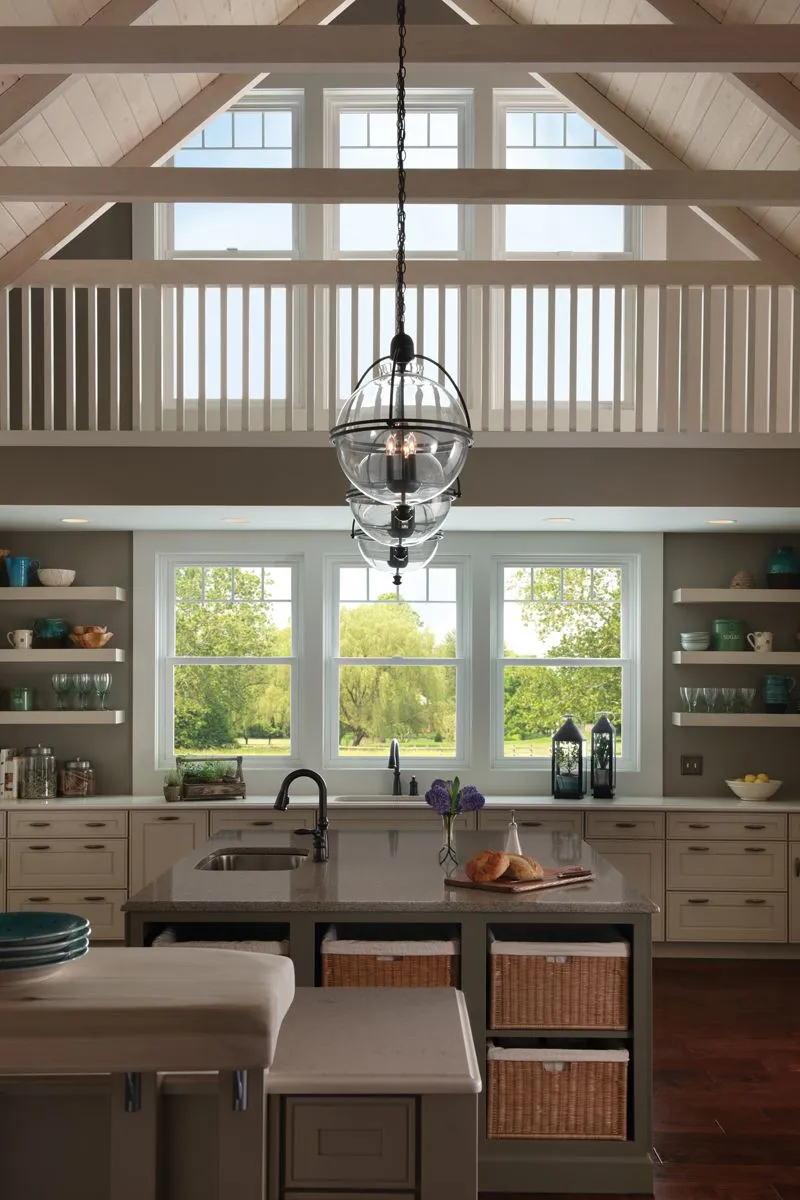
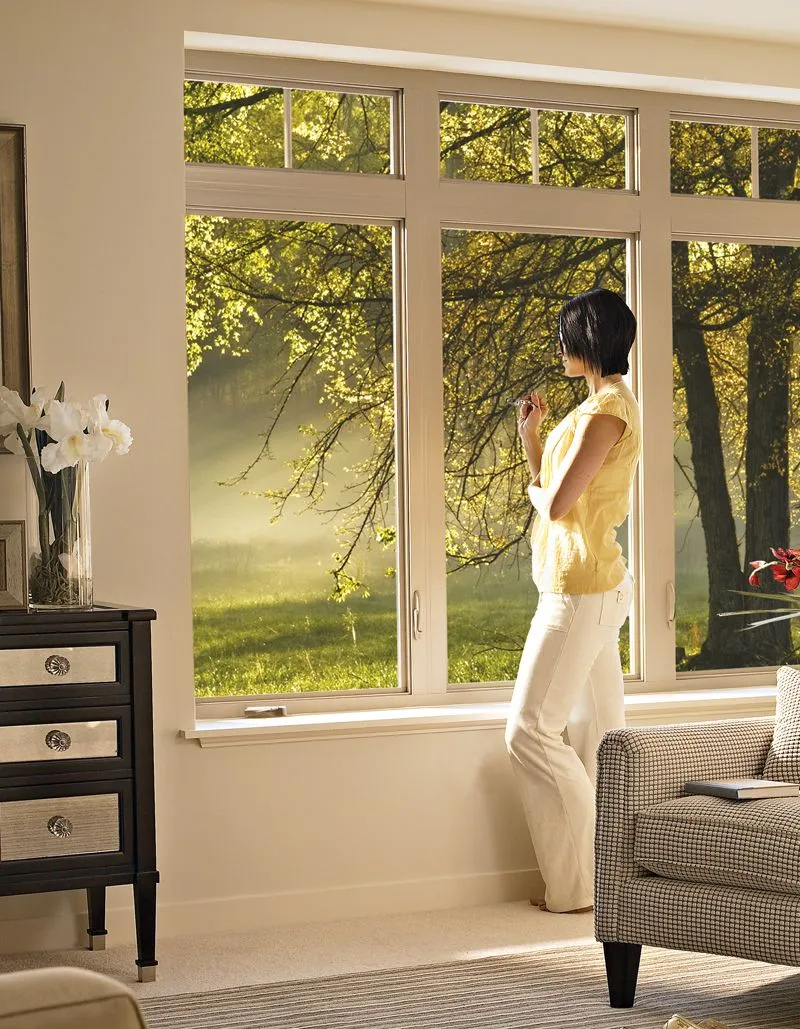
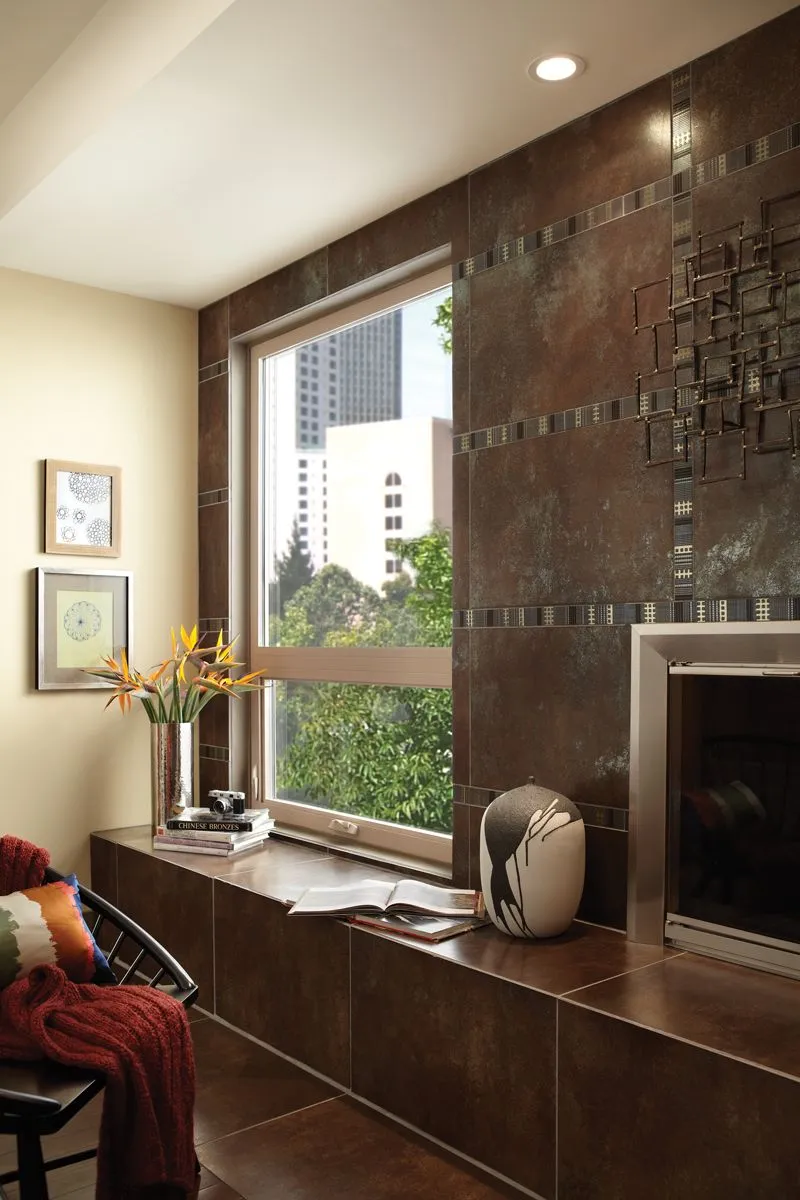
Aluminum windows have become increasingly popular for modern homes and commercial properties, offering a sleek aesthetic with impressive durability and performance. While often overlooked in favor of vinyl or wood frames, aluminum windows provide distinct advantages that make them worth considering for your Utah home. This comprehensive guide explores everything you need to know about aluminum window frames, including their benefits, costs, and installation considerations.
What Are Aluminum Windows?
Aluminum windows feature frames and sashes made from extruded aluminum, a lightweight yet exceptionally strong metal. This material has been used in window construction since the mid-20th century and continues to be refined with modern thermal technology and engineering innovations.
Key characteristics of aluminum windows:
- Lightweight yet extremely durable metal frames
- Slim frame profiles allowing maximum glass area
- Naturally corrosion-resistant material
- Excellent structural strength and rigidity
- Minimal maintenance requirements
- Modern designs available with thermal breaks
- Ideal for large glass areas and expansive windows
- Contemporary, clean aesthetic appearance
Types of Aluminum Windows
Aluminum windows are available in several styles, all offering the performance benefits of the aluminum frame material:
Standard Aluminum Windows
- Traditional single-pane or dual-pane aluminum frames
- Without thermal breaks (older models)
- Lower initial cost
- More common in commercial applications
- Used in some residential retrofit situations
Thermally Broken Aluminum Windows
- Modern aluminum with insulating thermal breaks
- Separates exterior and interior frame sections
- Dramatically improves energy efficiency
- Recommended for Utah homes
- 30-50% better insulation than standard aluminum
- Comparable efficiency to vinyl frames when properly installed
Storefront and Commercial Style
- Large open glass areas
- Minimal frame obstruction
- Typically used in commercial settings
- Available in residential applications for modern homes
- Maximum light and visibility
Residential Aluminum Windows
- Designed specifically for home use
- Enhanced weather sealing
- Thermal break technology standard
- Superior insulation performance
- Available in various colors and finishes
- Meets residential building codes
Benefits of Aluminum Windows
Durability and Longevity
Aluminum is one of the most durable window frame materials available. Aluminum naturally resists corrosion, will not rot like wood, and doesn't degrade from UV exposure like vinyl.
Durability advantages:
- Lifespan: 30-40+ years with proper maintenance
- No warping from temperature extremes
- Excellent performance in Utah's dry climate
- Resistant to salt air (important near lakes or mountain regions)
- No wood rot or insect damage concerns
- Superior to vinyl in extreme temperature ranges
- Minimal expansion/contraction issues
Aesthetic Appeal
Aluminum's sleek profile and clean lines give homes a modern, sophisticated appearance that's difficult to achieve with other materials.
Aesthetic benefits:
- Slim frame profiles maximize glass area
- Contemporary and minimalist design
- Available in various colors and finishes
- Anodized or powder-coated options
- Clean, uncluttered appearance
- Perfect for modern and contemporary architecture
- Excellent for large windows and glass walls
- Premium appearance adds curb appeal
Low Maintenance
Unlike wood windows that require regular painting, aluminum frames require minimal maintenance.
Maintenance advantages:
- No painting or staining required
- Occasional cleaning with mild soap and water
- Hardware rarely needs attention
- No rot or wood degradation concerns
- Seals and weatherstripping last longer
- Environmental factors don't compromise frame integrity
- Powder-coated finishes remain vibrant for decades
Structural Strength
Aluminum's exceptional strength allows for much thinner frame profiles than other materials, enabling larger glass areas and more design flexibility.
Strength benefits:
- Supports large single-pane glass areas
- Thinner frames create unobstructed views
- Load-bearing capability for expansive windows
- Wind and impact resistant
- Ideal for corner windows and glass walls
- Superior to vinyl for large installations
- Maintains rigidity over decades
Thermally broken aluminum windows now offer energy efficiency comparable to vinyl frames.
Thermal benefits:
- Thermal break technology reduces heat transfer
- Modern aluminum windows meet ENERGY STAR standards
- Low-E coatings work excellently with aluminum
- Argon gas filling provides additional insulation
- Triple-glazing options available
- 15-20% energy savings vs single-pane aluminum
- Competitive with vinyl and fiberglass efficiency
Aluminum vs. Other Frame Materials
Aluminum vs. Vinyl
Aluminum advantages:
- More durable in extreme temperatures
- Sleeker, thinner frame profiles
- Better for large glass areas
- Minimal maintenance
- Superior structural strength
- Better longevity (30-40+ years vs 20-30 years)
Vinyl advantages:
- Lower initial cost
- Better thermal insulation (without thermal breaks)
- Simpler maintenance
- More color options without special finishes
- Lower installation costs
Aluminum vs. Fiberglass
Aluminum advantages:
- Lower cost than fiberglass
- Slimmer frame profiles
- More design flexibility
- Easier to customize
Fiberglass advantages:
- Slightly better insulation performance
- Can be painted like wood
- Smaller expansion/contraction rates
- Excellent durability comparable to aluminum
Aluminum vs. Wood
Aluminum advantages:
- No maintenance requirements
- No rot or water damage
- Better for high-moisture areas
- Cleaner aesthetic appearance
- Longer lifespan
- Consistent performance
Wood advantages:
- Warmth and traditional appeal
- Paintable to any color
- Classic aesthetic
Aluminum Window Costs
Material and Window Costs
Standard Aluminum Windows (without thermal breaks):
- Per window cost: $250-$600
- Less common in residential applications
- Limited thermal benefits
- Rarely recommended for Utah homes
Thermally Broken Aluminum Windows:
- Per window cost: $500-$1,200
- Premium thermal performance
- Energy efficient design
- Recommended for Utah residential use
- Comparable to quality vinyl windows
- Superior durability adds value
Specialty Aluminum Products:
- Large residential installations: $1,000-$2,500+ per window
- Commercial storefront systems: $400-$800 per linear foot
- Custom shapes and sizes: 20-50% premium
- Architectural glass systems: $1,500-$5,000+ per window
Installation Costs
Thermally broken aluminum window installation:
- Retrofit installation: $200-$500 per window
- Full-frame installation: $300-$600 per window
- Specialty installations: $500-$1,000+ per window
- Labor as percentage of total: 30-40%
Factors affecting installation cost:
- Frame type (retrofit vs. full-frame)
- Window size and quantity
- Accessibility and height
- Specialty finishing or customization
- Local labor rates in Utah
- Removal of existing windows
- Site preparation requirements
Total Project Costs
Typical home project (10 windows):
- Thermally broken aluminum: $7,000-$18,000 total
- Retrofit style: $5,000-$10,000 total
- Full-frame installation: $8,000-$12,000 total
- Per window average: $700-$1,200 installed
Factors affecting total cost:
- Number of windows
- Average window size
- Retrofit vs. full-frame installation
- Degree of customization
- Local Utah market rates
- Contractor experience and reputation
- Additional features (grids, special coatings)
Utah Climate Considerations
Utah's climate—featuring cold winters, hot summers, and low humidity—is well-suited to aluminum windows with modern thermal technology.
Utah-specific benefits:
- Thermal breaks handle temperature extremes
- Dry climate minimizes corrosion concerns
- Low humidity extends window lifespan
- Mountain elevation demands quality sealing
- Snow loads require strong frames (aluminum excels)
- Rapid temperature swings don't affect aluminum integrity
- Harsh sun benefits from reflective coatings
- Winter thermal performance essential for comfort
Recommended features for Utah:
- Thermally broken frame design (essential)
- Low-E coatings for solar heat gain control
- Argon or krypton gas fills
- Proper weather sealing and gaskets
- High-quality installation to prevent air leakage
- Consider triple-glazing in northern/mountain areas
- UV-protective coatings for longevity
ENERGY STAR Certification
Modern thermally broken aluminum windows can achieve ENERGY STAR certification in Utah's Zone 6 climate.
What this means:
- Meets strict energy efficiency standards
- Reduces heating and cooling costs
- Qualifies for energy tax credits (up to 2026)
- Lower utility bills long-term
- Improved home comfort
- Environmental benefits from reduced energy use
- May increase home value
U-Factor and Solar Heat Gain
Thermally broken aluminum windows performance ratings:
U-Factor (insulation value):
- Modern aluminum windows: 0.24-0.35
- Competitive with vinyl frames
- Triple-glazed options: 0.15-0.20
- Lower is better (better insulation)
Solar Heat Gain Coefficient (SHGC):
- Standard low-E: 0.25-0.35
- High-performance low-E: 0.15-0.25
- Varies by specific low-E coating
- Important for Utah's intense summer sun
- Reduces cooling costs and heat gain
Energy Savings Potential
Utah homeowners can expect annual energy savings of:
Typical aluminum window replacement:
- Average annual savings: $150-$350
- Payback period: 10-15 years
- Long-term savings over 30-year lifespan: $4,500-$10,500
- Additional comfort improvements
- Reduced drafts and cold spots
- More consistent indoor temperature
Installation Process
Retrofit Installation (Replacing Existing Windows)
Step-by-step process:
- Removal: Remove existing window frame and sashes (1-2 hours per window)
- Frame preparation: Clean and prepare opening (30-60 minutes)
- Installation: Insert new aluminum frame into existing opening (45-90 minutes)
- Sealing: Apply weatherstripping, sealants, and gaskets (30-60 minutes)
- Interior finishing: Install trim, caulk, and paint (1-2 hours)
- Final inspection: Test operation and sealing (30 minutes)
Full-Frame Installation
When existing frames are damaged or significant structural work is needed:
- Removal: Remove entire window assembly (1-2 hours)
- Rough opening preparation: Repair or reinforce opening (2-4 hours)
- Installation: Install new frame and anchor to structure (1-2 hours)
- Flashing: Install proper water management flashing (1-2 hours)
- Exterior finishing: Install exterior casing and seal (2-3 hours)
- Interior finishing: Install interior trim and caulk (2-3 hours)
Installation Timeline
For typical retrofit project (10 windows):
- Single installer: 5-7 days
- Two-person crew: 3-4 days
- Includes prep, installation, and finishing
- May vary based on window complexity
- Weather can affect timeline
- Additional time for full-frame installations
Maintenance and Care
Regular Maintenance
Keeping aluminum windows in top condition is straightforward:
Monthly/Seasonal:
- Clean frames and glass with mild soap and water
- Remove dust and debris from tracks
- Check seals for any visible gaps
- Test operating mechanisms
Annual:
- Inspect weatherstripping for wear
- Clean and lubricate hardware
- Check caulking for deterioration
- Remove any accumulated debris
5-Year maintenance:
- Professional inspection recommended
- Replace worn weatherstripping if needed
- Recaulk any compromised areas
- Full cleaning and detailing
Common Issues and Solutions
Issue: Water staining on aluminum
- Solution: Clean with vinegar solution; reapply protective coating if needed
Issue: Frame discoloration
- Solution: Powder-coated finishes rarely discolor; anodized finishes patina naturally
Issue: Hardware stiffness
- Solution: Clean tracks and apply silicone lubricant
Issue: Weatherstripping degradation
- Solution: Replace weatherstripping (relatively inexpensive, $50-$150 per window)
Issue: Thermal break damage (rare)
- Solution: Professional repair or window replacement typically required
Choosing Aluminum Windows for Your Utah Home
When Aluminum Is the Right Choice
Consider aluminum windows if you:
- Want a modern, contemporary aesthetic
- Need large window areas or expansive glass
- Prefer minimal maintenance requirements
- Value durability and longevity
- Live in a high-wind or high-snow load area
- Want a premium appearance and performance
- Plan to stay in your home 25+ years
- Prioritize environmental durability
- Have specific architectural design requirements
- Want thermal break technology
When Other Materials Might Be Better
Consider vinyl if you:
- Have budget constraints
- Prefer the widest color options
- Want the lowest installation cost
- Have modest window size requirements
Consider fiberglass if you:
- Want maximum thermal performance
- Prefer paintable frames
- Want minimal expansion/contraction
Consider wood if you:
- Prioritize traditional or historic aesthetics
- Have specific architectural style requirements
Return on Investment (ROI)
Increased Home Value
Aluminum window replacement offers solid ROI in Utah:
Property value increase:
- Aluminum windows add 2-4% to home value
- Average home value: $450,000
- Value increase: $9,000-$18,000
- Project cost: $10,000-$20,000
- ROI range: 40-90%
- Durability means longer appreciation
Market appeal:
- Modern aesthetic attracts buyers
- Premium appearance justifies higher asking price
- Energy efficiency is desirable feature
- Durability story adds value
- Contemporary homes benefit most
- Mountain/high-altitude homes especially value durability
Cost Savings
Long-term financial benefits from aluminum windows:
Energy cost savings:
- Annual savings: $150-$350
- 30-year savings: $4,500-$10,500
- Utility bill reduction immediately noticeable
- Heating/cooling costs decline 15-25%
Maintenance savings:
- No painting costs (compare to wood windows)
- Minimal repair expenses
- No wood rot remediation
- Replacement parts readily available
- Reduced overall life-cycle costs
Finding Qualified Aluminum Window Contractors
What to Look For
When selecting an installer for aluminum windows:
- Experience with thermally broken aluminum specifically
- ENERGY STAR certification knowledge
- Understanding of Utah climate requirements
- Professional installation techniques
- Quality warranty offerings
- Proper flashing and water management
- References from similar projects
- Licensed and insured
- Transparent pricing
- Good communication skills
Getting Quotes
When requesting aluminum window quotes:
- Specify thermally broken aluminum with thermal breaks
- Request ENERGY STAR rated products
- Ask about low-E coating options
- Discuss installation method (retrofit vs. full-frame)
- Get warranty information in writing
- Compare total installed costs, not just materials
- Ask about timeline and disruption
- Verify licensing and insurance
Aluminum Windows for Different Utah Locations
Utah's diverse geography means different areas have different window performance needs. Aluminum's durability makes it excellent throughout the state.
Mountain and High-Elevation Areas
- Superior structural strength for snow loads
- Excellent temperature stability
- Thermal breaks essential at higher elevations
- Triple-glazing often recommended
- Durability in harsh mountain weather
Valley and Urban Areas
- Modern aesthetic perfect for new construction
- Low humidity ideal for aluminum longevity
- Thermal performance excellent year-round
- Large glass areas showcased well
- Urban density values sleek profiles
Salt-Prone Regions
- Natural corrosion resistance
- Anodized finishes provide extra protection
- Ideal near Great Salt Lake areas
- Low-maintenance in challenging environment
- Superior to vinyl near salt
For expert installation tailored to your specific Utah location, visit our service areas page to connect with local specialists in your city.
External Resources
Learn more about aluminum window technology and performance:
- ENERGY STAR Window Guide - Comprehensive information on energy-efficient windows
- Aluminum Association Information - Industry standards and aluminum properties
- National Fenestration Rating Council (NFRC) - Window performance rating standards
Key Takeaways
Aluminum windows offer unique advantages:
- Superior durability (30-40+ year lifespan)
- Sleek, modern aesthetic with thin frames
- Minimal maintenance requirements
- Excellent structural strength
- Strong thermal performance (with thermal breaks)
- Ideal for large glass areas
- UV and weather resistant
- Low long-term maintenance costs
- Strong ROI and property value addition
- Excellent choice for Utah's climate
Investment considerations:
- Higher initial cost than basic vinyl ($700-$1,200 installed)
- Excellent long-term value and durability
- Energy savings offset initial expense
- Minimal maintenance saves money over time
- Premium aesthetic and performance justify cost
- 30-40 year lifespan provides decades of value
Ready to Upgrade to Aluminum Windows?
Aluminum windows represent a premium investment in your home's comfort, efficiency, and aesthetic appeal. Our specialists throughout Utah can help you explore aluminum window options, discuss thermal break technology, and design the perfect installation for your home's architecture and climate zone.
Visit our service areas page to find local experts who can:
- Assess your home's specific needs
- Explain modern aluminum window technology
- Discuss thermal breaks and energy efficiency
- Provide competitive, transparent quotes
- Handle professional installation
- Discuss financing and payment options
- Answer questions about maintenance and warranties
Whether you're building new, renovating, or looking to modernize your Utah home, aluminum windows with thermal break technology offer the durability, efficiency, and aesthetic appeal that justify their premium cost. Our experienced team can help you make the right decision for your specific location and needs.
Additional Reading
Explore related topics about window materials and performance: