
The average cost to replace a bay window ranges from $1,700 to $5,100 installed, with most homeowners paying around $3,400 for a standard three-panel vinyl bay window. The final price depends on window size, projection depth, frame material, glass options, roof type, and installation complexity. Premium materials like wood or custom configurations can cost $4,250 to $8,500 or more.
Cost Breakdown by Material
Vinyl Bay Windows: $1,700-$3,400 per window installed. Vinyl offers excellent value for bay window installations. These windows resist moisture, require minimal maintenance, and provide good energy efficiency. Modern vinyl bay windows handle temperature extremes well and never need painting.
Aluminum Bay Windows: $2,040-$4,250 per window installed. Aluminum frames are strong and provide sleek, narrow profiles that maximize glass area. However, aluminum conducts heat and cold unless thermal breaks are included. These work best for mild climates or covered installations.
Fiberglass Bay Windows: $2,720-$5,100 per window installed. Fiberglass combines strength, energy efficiency, and aesthetic appeal. These windows resist warping even with significant projection and can be painted any color. They perform exceptionally well in temperature extremes.
Wood Bay Windows: $3,400-$6,800 per window installed. Wood provides classic beauty and superior insulation. Bay windows showcase wood’s aesthetic qualities particularly well. However, wood requires regular maintenance including painting or staining every 3-5 years.
Wood-Clad Bay Windows: $4,250-$8,500 per window installed. These premium windows feature wood interiors with vinyl or aluminum exteriors, combining beauty with low maintenance. They represent the highest-quality option for bay windows.
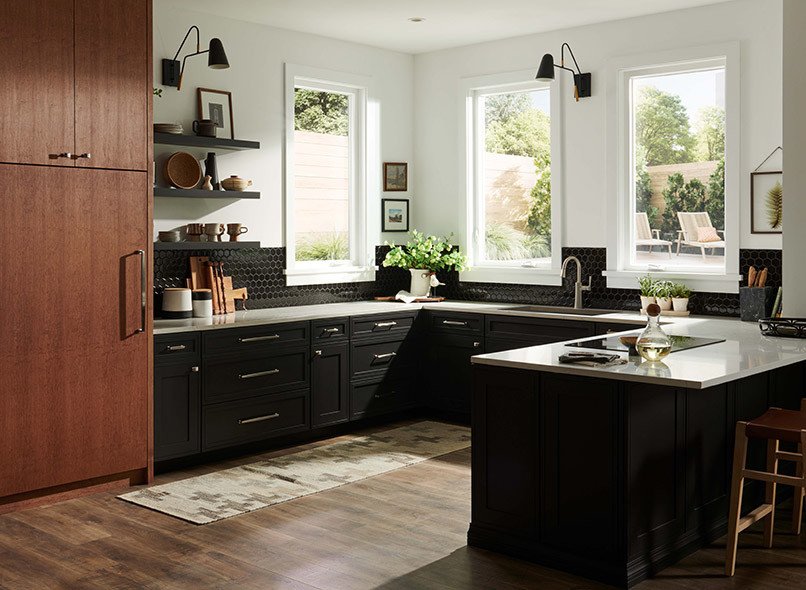
Bay Window Size and Configuration Costs
Small Bay (3-4 feet wide): $1,700-$3,060 installed. Small bays work in compact spaces like breakfast nooks or small living rooms. They create visual interest without overwhelming the space.
Standard Bay (5-6 feet wide): $2,380-$4,250 installed. The most common size, standard bays fit typical living room or dining room installations. They provide significant interior space expansion.
Large Bay (7-8 feet wide): $3,400-$5,950 installed. Large bays create dramatic architectural features and substantial interior space. They work well in spacious rooms with adequate wall space.
Extra-Large Bay (9+ feet wide): $4,760-$8,500+ installed. Oversized bays make bold statements and create room-like projections. They require significant structural support and careful engineering.
Custom Configurations: Add 25-40% to standard pricing. Custom angles, unique panel combinations, or non-standard projections require special manufacturing and engineering.
Bay Window Panel Configurations
Three-Panel Bay: $1,700-$5,100 installed. The most common configuration features a large fixed center window flanked by smaller operable windows (usually casement or double-hung). This design balances views, ventilation, and cost.
Four-Panel Bay: $2,380-$6,800 installed. Four-panel designs offer more glass area and flexibility. Typical configurations include two fixed panels and two operable panels.
Five-Panel Bay: $3,400-$8,500 installed. Five-panel bays create expansive views with dramatic visual impact. They’re popular for large rooms or homes emphasizing natural light.
Mixed Panel Types: Center picture windows paired with double-hung, casement, or awning side windows. Panel type selection affects both cost and functionality.
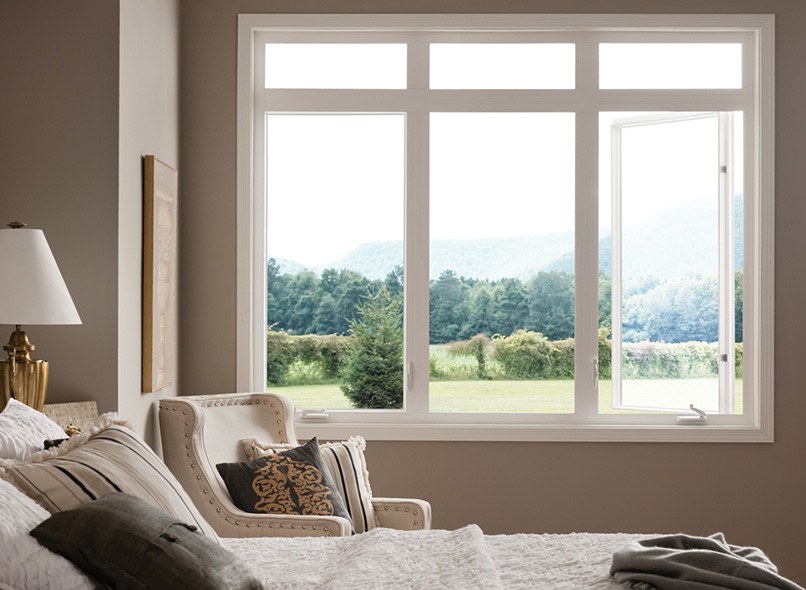
Bay Window Projection Depth
Shallow Projection (12-15 inches): Standard pricing. Shallow bays create architectural interest without consuming much exterior space. They work well for homes with limited yard space.
Standard Projection (16-24 inches): Standard pricing. Most bay windows project 18-20 inches, creating useful interior space for seating or displays without dramatic exterior presence.
Deep Projection (25-36 inches): Add $340-$1,020. Deep projections create more usable interior space but require additional structural support and more extensive roof systems.
Custom Projection: Add 20-40% for non-standard depths. Custom projections require special engineering and fabrication.
Bay Window Angle Options
30-Degree Bay: Creates a narrow, elegant appearance with dramatic angles. This configuration works well in smaller spaces.
45-Degree Bay: The most common angle, providing good balance between projection and interior space. This standard option fits most architectural styles.
90-Degree Bay (Box Bay): Creates maximum interior space with a boxy appearance. The square projection offers the most usable interior area.
Custom Angles: Add 15-30% for non-standard angles. Custom configurations require special manufacturing and careful planning.
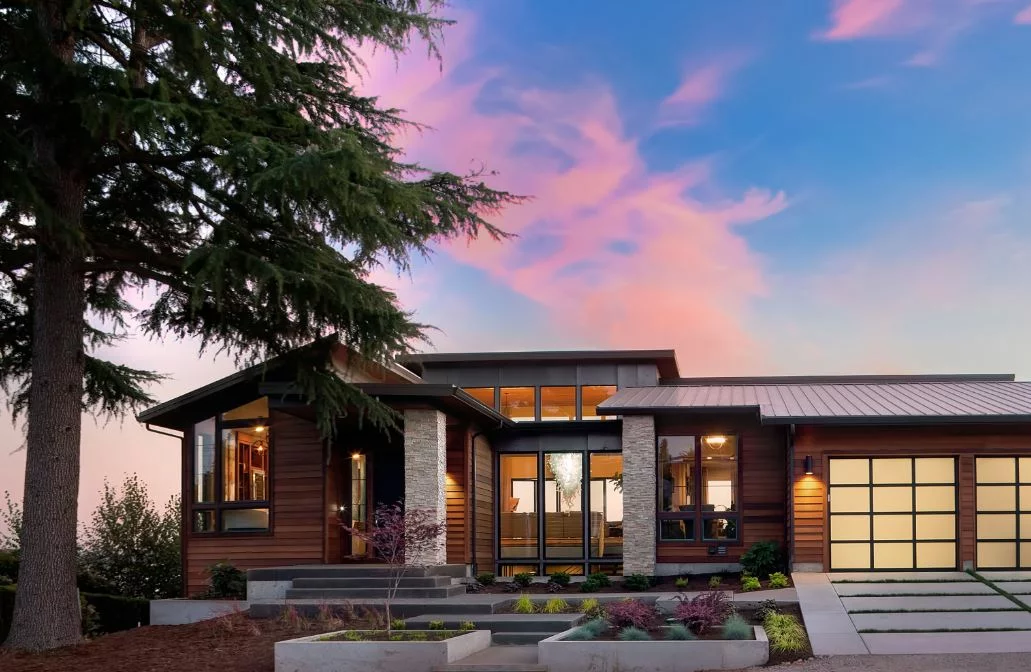
Bay Window Roof Options
Aluminum Roof: $255-$680. Basic aluminum roofs provide weather protection at minimal cost. They’re functional but not particularly attractive from above.
Copper Roof: $680-$1,700. Copper roofs develop attractive patina over time and last indefinitely. They’re premium options for high-end installations.
Shingle Roof: $510-$1,360. Asphalt or composite shingle roofs match home roofing for integrated appearance. They require proper flashing and underlayment.
Metal Standing Seam Roof: $850-$1,870. Standing seam metal roofs provide excellent weather protection with contemporary aesthetics. They shed snow and water effectively.
Custom Roof Systems: $1,020-$2,550+. Some bay windows integrate with home roofing systems, requiring custom flashing and structural work.
Energy Efficiency Features
Low-E Glass: Add $255-$510 per window. Low-E coatings are essential for bay windows due to their large glass area. They reduce heat gain in summer and heat loss in winter while protecting interior furnishings from UV damage.
Argon Gas Fill: Add $255-$510 per window. Argon gas between panes significantly improves insulation. With bay windows’ extensive glass area, this upgrade provides excellent return on investment.
Triple-Pane Glass: Add $510-$1,020 per window. Three layers of glass provide maximum insulation. This upgrade makes particular sense for bay windows given their thermal challenges.
Insulated Roof: Add $170-$425. Proper roof insulation prevents heat loss and condensation. This often-overlooked feature significantly impacts overall performance.
Thermal Spacers: Add $85-$255 per window. Warm edge spacers reduce heat transfer at glass edges, preventing condensation and improving comfort.
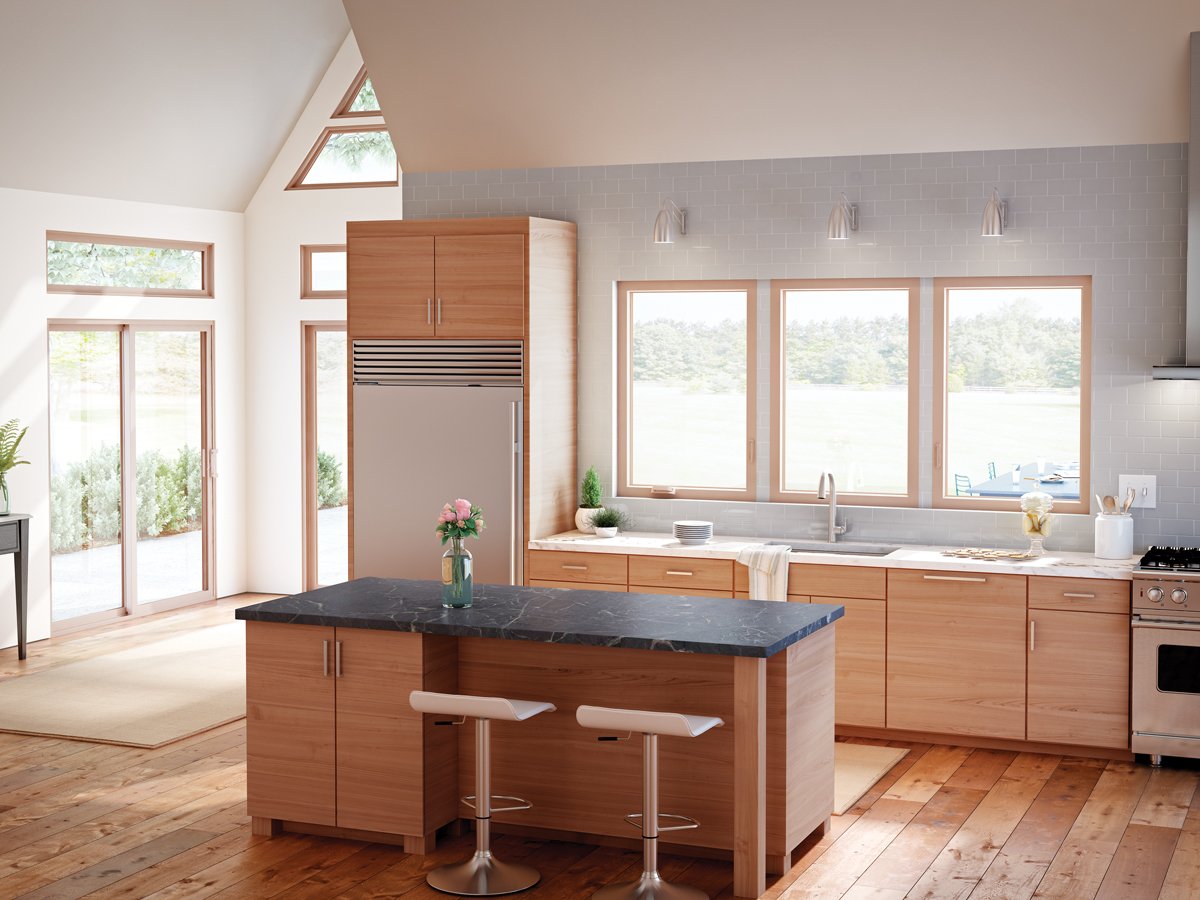
Installation Factors Affecting Cost
New Installation vs. Replacement: New bay window installation costs 50-100% more than replacement due to structural modifications, siding work, and exterior finish matching.
Structural Support Requirements: Bay windows require adequate structural support including proper headers and knee braces. Support work adds $340-$1,700 depending on existing structure and window size.
Framing Modifications: Creating or enlarging openings requires framing work costing $510-$2,040. This includes proper headers, jack studs, and structural reinforcement.
Siding and Trim Work: Matching siding and trim around new bay windows adds $425-$1,360 depending on materials and complexity.
Interior Finishing: Creating the interior seat area, adding trim, and finishing work costs $340-$1,360. Some homeowners add cushions, storage, or custom woodwork for additional costs.
Second-Story Installation: Bay windows on second floors cost 30-50% more due to additional equipment, safety requirements, and access challenges.
Stucco or Stone Exteriors: These materials require careful cutting and patching, adding $425-$1,360 to installation costs.
Bay Window Seating and Interior Features
Basic Seat Board: $170-$425. Simple wood seat boards create functional space without elaborate finishing.
Finished Seat with Storage: $510-$1,360. Built-in storage beneath bay window seats maximizes functionality. This includes hinged lids and interior finishing.
Custom Cushions: $255-$850. Custom-fitted cushions transform bay windows into comfortable seating areas. Costs vary with fabric quality and complexity.
Decorative Trim and Woodwork: $340-$1,700. Elaborate trim, columns, or decorative elements enhance bay window interiors. Custom woodwork significantly increases costs.
Electrical Outlets: Add $85-$255 per outlet. Adding outlets in bay window areas provides convenience for lamps or other uses.
Bow Windows vs. Bay Windows
Bow Windows: Curved windows with 4-6 panels cost $2,550-$6,800 installed. Bow windows create gentler, more graceful curves than bay windows’ angular appearance.
Space Requirements: Bow windows require more wall space than bay windows of similar width. Consider available space when choosing between styles.
Interior Impact: Bay windows create more defined interior spaces suitable for seating or displays. Bow windows offer more flowing, elegant interiors.
Cost Difference: Bow windows typically cost 20-40% more than comparable bay windows due to additional panels and more complex construction.
When Bay Windows Make Sense
Expanding Small Rooms: Bay windows make small spaces feel larger by extending outward and bringing in natural light.
Creating Focal Points: Bay windows become natural focal points in living rooms, dining rooms, or master bedrooms.
Adding Architectural Interest: Exterior bay windows add dimension and character to flat, plain walls.
Increasing Natural Light: The multiple angles capture light throughout the day, brightening interior spaces significantly.
Creating Seating Areas: Built-in seating areas in bay windows provide cozy reading nooks or dining space.
Permits and Regulations
Bay window installation requires building permits in most Utah jurisdictions, typically costing $100-$250. New installations require structural engineering approval to ensure adequate support.
Permits cover structural modifications, electrical work if outlets are added, and compliance with energy codes. Professional contractors handle permit applications and coordinate inspections.
Homeowners associations may have restrictions on bay window styles, colors, or projections. Verify HOA requirements before starting your project.
Popular Bay Window Locations
Living Rooms: The most common location for bay windows. They create impressive focal points and bring abundant natural light into primary living spaces.
Dining Rooms: Bay windows in dining rooms expand space and create attractive settings for meals. Many homeowners add window seats with storage for table linens.
Master Bedrooms: Bay windows transform bedrooms into retreats with reading nooks and expanded floor space.
Kitchens: Garden-style bay windows over kitchen sinks provide space for herbs or decorative items while improving views.
Home Offices: Bay windows create pleasant work environments with abundant natural light and potential for built-in desk space.
Maintenance Considerations
Cleaning: Bay windows have more glass area and harder-to-reach sections than standard windows. Consider operable panels that tilt or swing for easier cleaning.
Weatherproofing: Roof systems require periodic inspection and maintenance. Check flashing and sealants annually to prevent leaks.
Condensation: Bay windows can experience condensation on cold days due to thermal bridging. Quality windows with warm edge spacers and proper installation minimize this issue.
Structural Settling: Monitor for settling or sagging over time. Properly installed bay windows with adequate support shouldn’t sag, but check knee braces and supports periodically.
Return on Investment
Bay window installation typically returns 60-75% of investment when selling your home. A $3,500 bay window might add $2,100-$2,625 to home value.
Beyond direct financial return, bay windows significantly enhance curb appeal and interior aesthetics. They’re particularly valuable in homes where they create stunning focal points or solve design challenges.
Buyers appreciate bay windows for their character, natural light, and functional interior space. Homes with bay windows often generate more interest and sell faster than comparable homes without them.
Energy Savings
While bay windows have more glass area than standard windows, quality bay windows with Low-E coatings and gas fills can be quite energy-efficient. Expect modest energy savings of $25-$75 annually compared to the old window they replace.
The key is choosing quality windows with proper energy features. Cheap bay windows without Low-E coatings or gas fills can actually increase energy costs due to their large glass area.
Financing Options
Bay windows represent significant investments that many homeowners finance. Financing options through window companies often include promotional rates with 0% interest for 12-24 months on approved credit.
Home equity loans provide lower interest rates for bay window projects. Personal loans work for homeowners without significant equity. Calculate total costs including interest when comparing options.
Questions to Ask Contractors
What structural support will be required? Understand the extent of framing work and how the window will be supported.
How will you weatherproof the roof system? Proper flashing and sealing are critical for preventing leaks.
What warranties cover the window and installation? Get warranty details in writing including coverage for structural issues.
Will you match siding and trim exactly? See examples of previous installations to verify quality of exterior finishing.
How long will installation take? Bay windows typically require 2-3 days for proper installation including finishing work.
Do you handle all permits and inspections? Professional contractors should manage permitting and coordinate required inspections.
Getting Started
Bay windows transform homes by adding architectural character and functional space. At Utah Window Experts, we provide free evaluations to help you determine if a bay window works for your home and budget.
Our window project builder tool lets you explore different bay window configurations and materials. You can also review our brochure to see our complete range of bay window options.
We assess structural requirements, recommend appropriate configurations, and provide detailed proposals covering all aspects of bay window installation. Our experience ensures your bay window will be properly supported, weatherproofed, and finished to enhance your home’s beauty and value.
Conclusion
Bay window replacement costs range from $1,700 to $5,100 installed for most homeowners, with premium installations reaching $4,250 to $8,500 or more. The investment creates architectural interest, expands interior space, and dramatically increases natural light while adding character and value to your home.
Choose bay window configurations that suit your space and architectural style. Invest in energy-efficient features like Low-E coatings and gas fills to maximize performance. Select a contractor with proven experience installing bay windows, as proper structural support and weatherproofing are critical. Get multiple detailed quotes comparing materials, configurations, warranties, and total installed costs. With proper planning and professional installation, your bay window will provide decades of beauty and functionality while serving as a stunning focal point in your home.