
Replacing windows in a 3000 square foot house typically costs between $10,200 and $40,800, depending on the window type, material, and installation complexity. Most homeowners pay around $20,400 to $27,200 for mid-range vinyl windows with professional installation. The final price depends on factors like the number of windows (usually 20-30 in a home this size), frame material, glass options, and labor costs in your area.
Breaking Down the Cost Per Window
The cost to replace a single window ranges from $510 to $2,040 installed. Here’s what you can expect for different window types:
Vinyl Windows: $510-$1,190 per window installed. These remain the most popular choice for their excellent balance of energy efficiency, durability, and affordability. Vinyl windows require minimal maintenance and resist moisture damage effectively.
Wood Windows: $850-$2,040 per window installed. Wood provides classic beauty and superior insulation but needs regular painting or staining to prevent rot and weather damage.
Fiberglass Windows: $850-$1,700 per window installed. These windows are extremely durable and energy-efficient. They resist warping and can be painted to match your home’s style.
Aluminum Windows: $680-$1,360 per window installed. Aluminum frames are strong and low-maintenance but don’t insulate as well as other materials. They work best in mild climates or commercial applications.
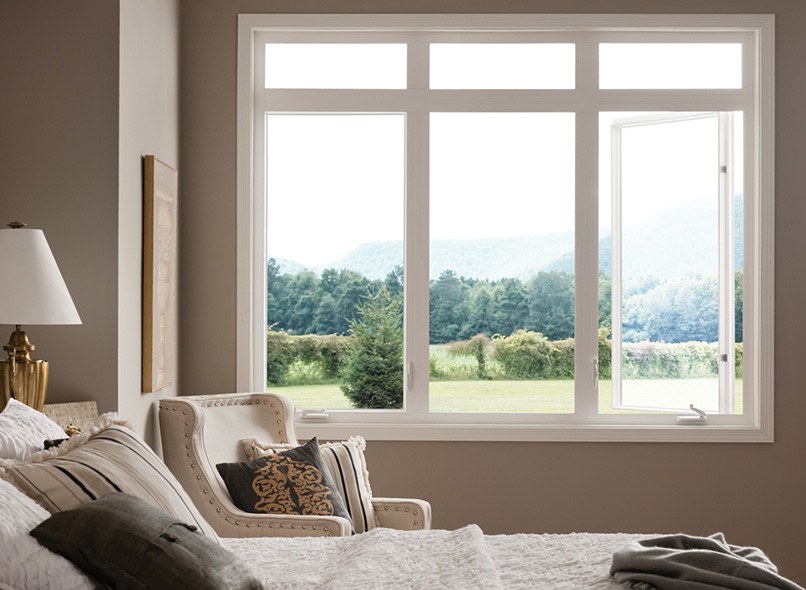
How Many Windows Does a 3000 Sq Ft House Have?
Most 3000 square foot homes contain 20 to 30 windows. The exact number varies significantly based on your floor plan, architectural style, and room layout. Two-story homes often have more windows than single-story ranch homes of the same square footage. Homes with great rooms, dining rooms with multiple exposures, or sunrooms will have higher window counts. To get an accurate count, walk around your home and count each window opening, including basement windows if applicable.
Factors That Affect Your Total Cost
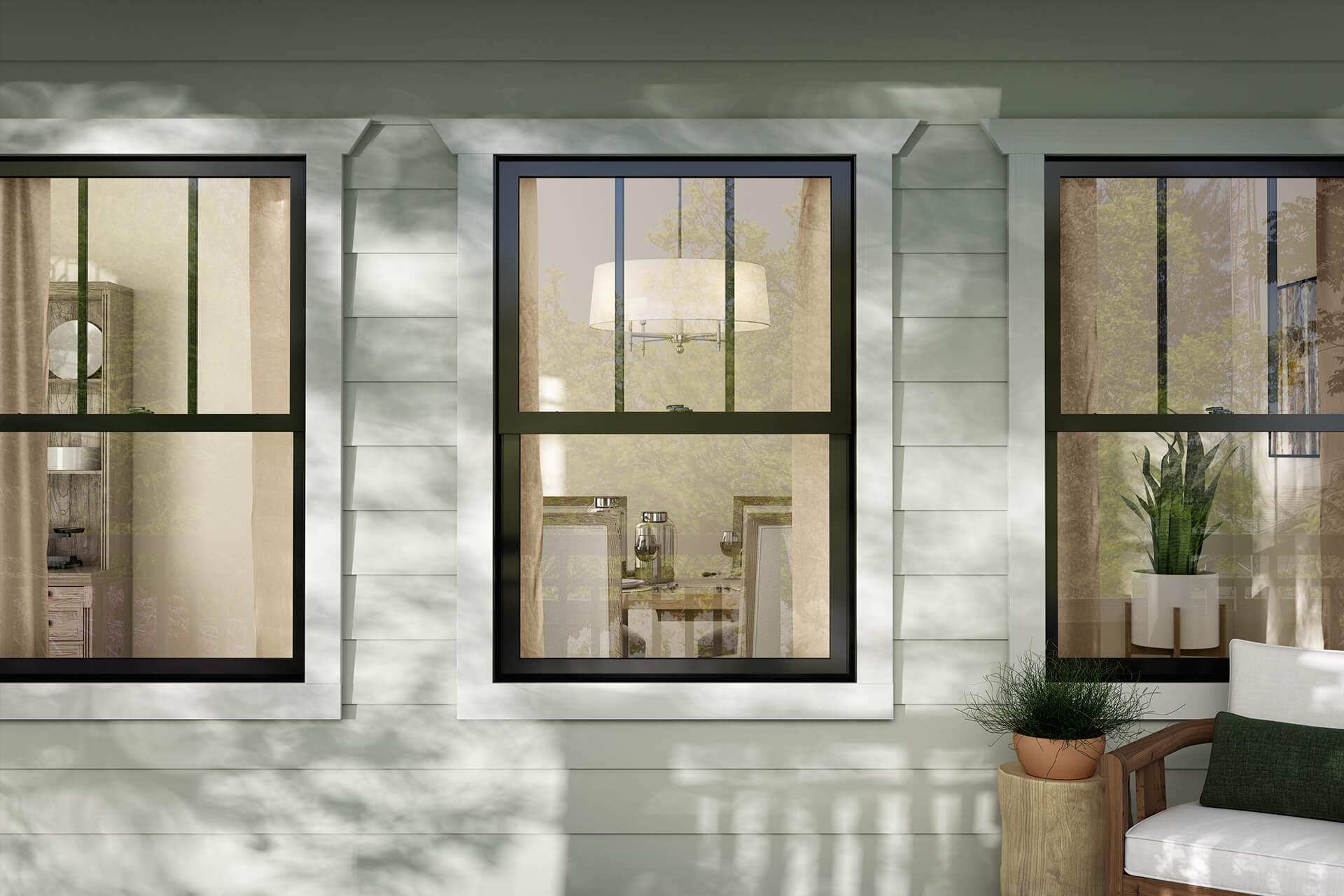
Window Style: Different window styles come at different price points. Single-hung windows are typically the most affordable option. Double-hung, casement, and sliding windows cost more. Bay windows, bow windows, and picture windows are premium options that significantly increase your budget.
Energy Efficiency Features: Adding Low-E coatings, argon gas fills, and triple-pane glass improves energy efficiency but adds $85-$340 per window to your costs. For a 3000 square foot home, these upgrades can add $1,700-$10,200 to your total project cost but often pay for themselves through lower utility bills over time.
Installation Complexity: Simple replacements where the frame stays intact cost less than full-frame installations. Second-story windows require additional equipment and labor, increasing costs by 25-40%. Two-story homes may have windows that are particularly difficult to access, further increasing labor costs.
Permits and Disposal: Building permits typically cost $100-$400 for larger window replacement projects. Most contractors include old window disposal in their quotes, but verify this before signing a contract, as disposing of 20-30 windows adds up.
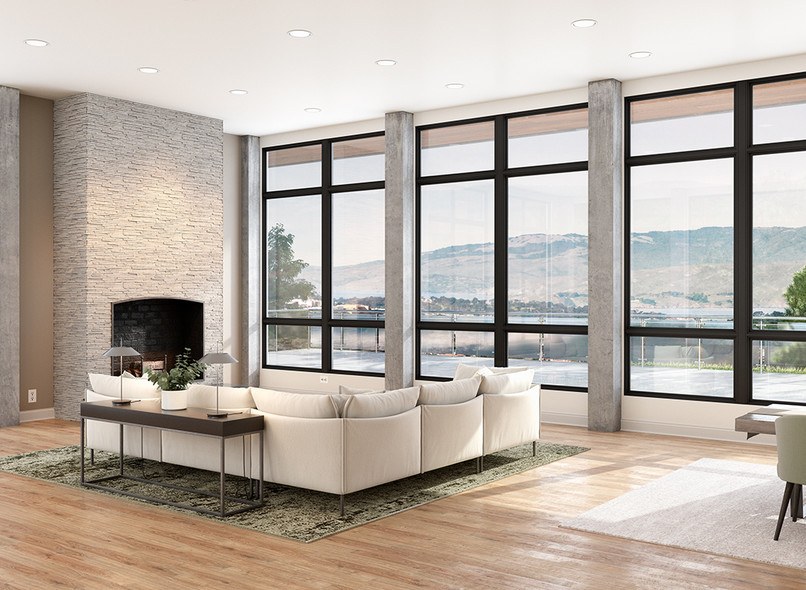
Window Material Comparison for Larger Homes
Vinyl: The most cost-effective choice for most homeowners. Modern vinyl windows are energy-efficient, durable, and available in various colors. They never need painting and resist moisture damage. For a 3000 square foot home, choosing vinyl can save $6,800-$17,000 compared to premium materials.
Wood: Offers timeless appeal and excellent insulation. Wood windows create a warm, traditional look that enhances the character of larger homes. However, they require regular maintenance including painting or staining every few years. The maintenance commitment increases with more windows.
Fiberglass: Combines the best features of vinyl and wood. Fiberglass windows are incredibly strong, energy-efficient, and can be painted. They cost more upfront but last longer than most alternatives. Fiberglass resists expansion and contraction better than vinyl in extreme temperatures, making them ideal for larger homes with significant sun exposure.
Aluminum: Provides a sleek, modern appearance with minimal maintenance. Aluminum frames are thin, allowing more glass area. However, metal conducts heat and cold, making aluminum less energy-efficient unless it includes thermal breaks. Many homeowners choose aluminum for specific architectural styles or commercial applications.
Sample Cost Scenarios for a 3000 Sq Ft House
Budget Option (25 vinyl single-hung windows): $12,750-$21,250 installed. This includes standard vinyl windows with double-pane glass and basic Low-E coating. Installation is straightforward with no structural modifications needed.
Mid-Range Option (25 vinyl double-hung windows): $21,250-$31,875 installed. This package includes quality vinyl windows with argon gas fills, Low-E coatings, and better hardware. The windows tilt in for easy cleaning, which is particularly valuable with this many windows to maintain.
Premium Option (25 fiberglass or wood windows): $31,875-$51,000 installed. This covers high-end materials with triple-pane glass, advanced Low-E coatings, and superior hardware. These windows provide maximum energy efficiency and curb appeal for your substantial investment.
Ways to Save Money on Window Replacement
Phase Your Project: Replacing 20-30 windows at once is a significant expense. Consider phasing the project over 1-2 years. Start with the most damaged or inefficient windows, or focus on one side of the house that needs it most.
Choose Standard Sizes: Custom-sized windows cost 20-40% more than standard sizes. Whenever possible, choose replacement windows that fit existing openings without modifications. With 25+ windows, this can save thousands of dollars.
Consider Insert Replacements: Insert or retrofit windows fit inside your existing frames, eliminating the need to disturb exterior siding or interior trim. This installation method costs less but only works when existing frames are in good condition.
Bundle Everything Together: While phasing can help with cash flow, doing all windows at once often gets you volume discounts from contractors. You may save 10-15% on labor costs by having one mobilization instead of multiple visits.
Time Your Project: Many window companies offer discounts during slower seasons, typically late fall through early spring. Getting quotes from multiple contractors also helps you find competitive pricing. For a project this size, competitive bidding can save thousands.
Take Advantage of Rebates: Check for utility company rebates and federal tax credits for energy-efficient windows. These incentives can reduce your costs by hundreds or even thousands of dollars. With 25+ windows, these savings really add up.
Energy Savings from New Windows
New energy-efficient windows can reduce heating and cooling costs by 15-25% compared to older single-pane windows. For a 3000 square foot home, this translates to annual savings of $300-$800 depending on your climate and energy rates.
The payback period for window replacement ranges from 8 to 20 years. While energy savings alone might not justify the investment, the added comfort, reduced noise, improved appearance, and increased home value make window replacement worthwhile for most homeowners. For larger homes, the comfort improvement is particularly noticeable as temperature consistency improves throughout the house.
What to Look for in a Window Contractor
Licensing and Insurance: Verify that your contractor holds proper licensing and carries liability insurance plus workers’ compensation. This protects you from liability if accidents occur during installation. For a project this size, insurance coverage is especially important.
Experience with Large Projects: Not all contractors have the capacity to handle 20-30 windows efficiently. Ask how many similar-sized projects the contractor has completed and request references from those specific jobs.
Crew Size and Timeline: A project of this size requires adequate crew size to complete work efficiently. Understand how long the project will take and how many workers will be on site. Most contractors can replace 20-30 windows in 3-7 days depending on complexity and crew size.
Written Warranties: Quality contractors offer written warranties covering both materials and labor. Window manufacturers typically provide 10-20 year warranties on their products. Installation warranties should cover at least 1-2 years.
Detailed Written Estimates: Get itemized quotes from at least three contractors. The estimate should specify window brand, model, glass options, installation method, cleanup, and disposal. For a project this size, a detailed contract is essential.
Questions to Ask Before Starting Your Project
How long will the installation take? For 20-30 windows, expect 3-7 days depending on complexity, crew size, and access challenges.
What preparation do I need to do? Clear window areas of furniture and decorations throughout the house. Remove window treatments. Provide clear access to both interior and exterior. With this many windows, preparation is significant.
Will you work room by room or all at once? Understand the workflow so you can plan around the disruption. Some contractors prefer completing the exterior first, then moving inside.
Will installation damage my walls or landscaping? Professional installers take precautions to protect your property. Minor touch-up painting around windows is normal. With 20-30 windows, expect some interior touch-up work.
What warranties are included? Understand both manufacturer warranties on windows and contractor warranties on installation labor. Get everything in writing.
How do you handle weather delays? With a multi-day project, weather can be a factor. Understand how the contractor protects open windows if delays occur.
Financing Your Window Replacement Project
Many homeowners finance window replacement through home equity loans, home equity lines of credit, or personal loans. For a project costing $20,000-$30,000, some window companies offer financing options with promotional interest rates.
Another option is including window replacement in a larger home improvement project funded by a home equity loan. This approach often provides better interest rates and potential tax advantages. Some homeowners choose to finance half the windows now and save for the remainder, completing the project in phases.
Impact on Home Value
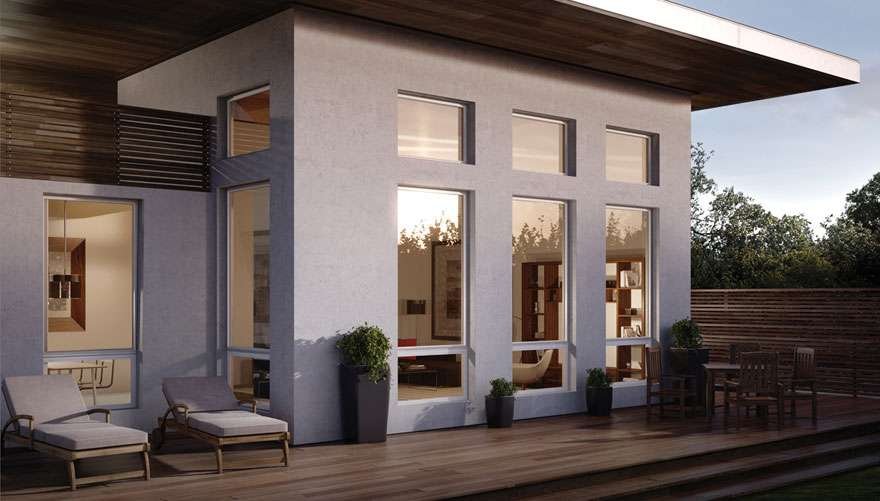
Replacing windows in a 3000 square foot home can increase your property value by $15,000-$25,000, providing a return on investment of 60-75%. Beyond the financial return, new windows dramatically improve curb appeal, making your home more attractive to potential buyers.
Energy-efficient windows are particularly appealing to buyers who appreciate lower utility costs. In competitive real estate markets, homes with new windows often sell faster than comparable homes with older windows.
Getting Started with Your Window Replacement
The first step is getting a professional assessment of your current windows. At Utah Window Experts, we provide free evaluations to help you understand your options and create an accurate budget for your project.
Our window project builder tool lets you explore different window styles and materials to find the right fit for your home and budget. You can also review our brochure to see the full range of products we offer.
For a project of this size, we recommend scheduling an in-home consultation where we can assess all your windows, discuss your priorities, and provide a detailed proposal that fits your budget and timeline.
Conclusion
Replacing windows in a 3000 square foot house is a substantial investment that significantly improves comfort, energy efficiency, and home value. Most homeowners spend $20,400-$27,200 for quality vinyl windows with professional installation. The exact cost depends on how many windows you’re replacing, which materials you choose, and the complexity of installation.
Start by determining how many windows need replacement, then get quotes from multiple reputable contractors who have experience with larger projects. Consider whether to complete everything at once or phase the project over time. Choose windows that balance initial cost with energy efficiency and durability. With proper planning and the right contractor, your new windows will provide decades of reliable performance while transforming the comfort and appearance of your home.