
Energy-Efficient Windows in Washington, Utah

Alan Horne
Window and home improvement expert with deep knowledge of Utah's unique climate and residential needs.
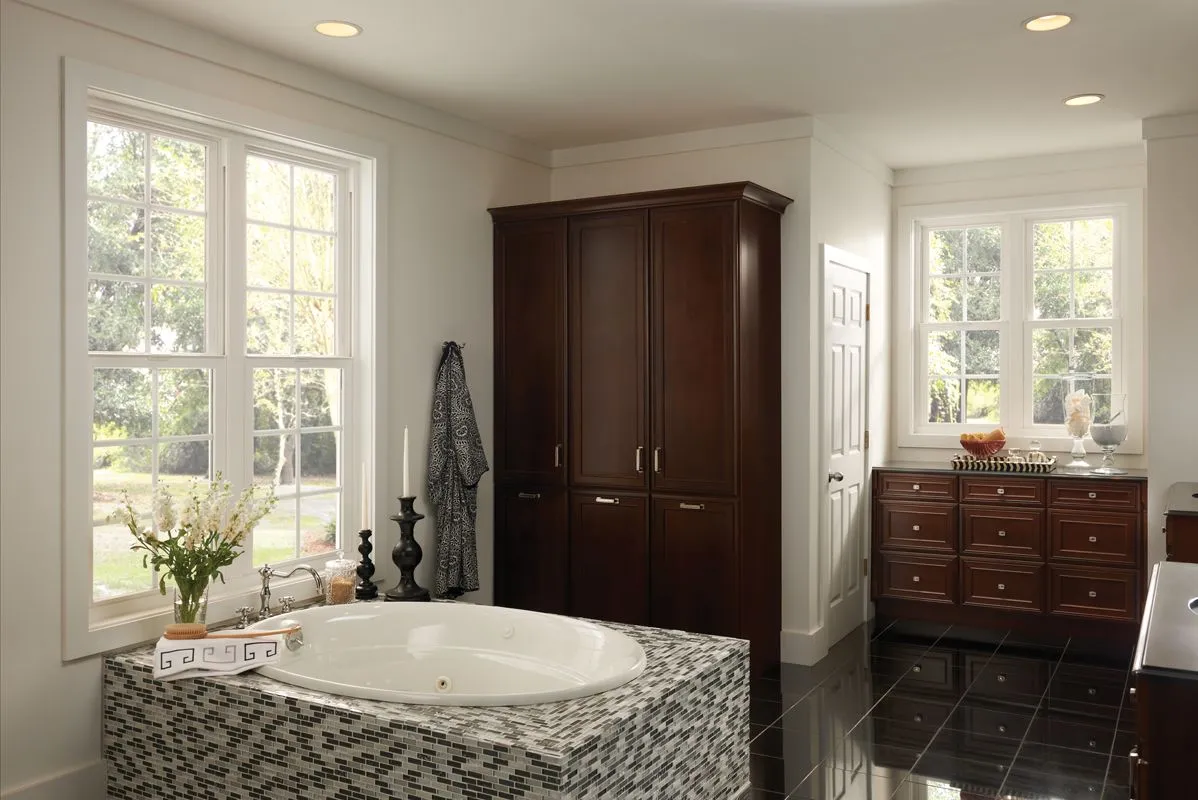
Energy-efficient windows are essential in Washington, Utah's desert climate, where intense sun exposure and temperature extremes drive up cooling and heating costs. Modern ENERGY STAR certified windows can reduce energy consumption by 20-30% while improving comfort and home value. This comprehensive guide explains how energy-efficient windows work, their specific benefits for Washington's climate, real cost savings, and why the investment makes financial sense for Southern Utah homeowners.
Understanding Energy Efficiency Ratings
NFRC (National Fenestration Rating Council) Standards
All quality windows are rated by the NFRC, which provides three key performance metrics:
U-Factor (Thermal Transmittance)
- Measures how quickly heat escapes through a window
- Lower numbers are better (range: 0.15–0.40)
- Every 0.1 reduction in U-Factor saves $20–$40 annually per window
- For Washington: Look for U-Factors below 0.30 for optimal performance
SHGC (Solar Heat Gain Coefficient)
- Measures how much solar heat enters through the window
- Lower numbers reduce cooling costs
- Range: 0.15–0.95
- Washington's desert sun makes SHGC critically important
Visible Transmittance (VT)
- Measures how much visible light passes through
- Higher numbers mean more natural light
- Range: 0.30–0.70
- Balance natural light with heat reduction
ENERGY STAR Certification
ENERGY STAR windows for Washington, Utah's climate zone must meet:
- U-Factor: 0.28 or lower
- SHGC: 0.20–0.23 (critical for desert heat reduction)
- Air Leakage: 0.30 CFM/sq ft or less
- Certification ensures measurable performance benefits
How Energy-Efficient Windows Save Money in Washington
Annual Savings Breakdown
Cooling Season (May–October: 6 months)
Upgrading from single-pane to modern ENERGY STAR windows saves:
- Monthly cooling costs: $60–$150 per month average
- Average seasonal savings: $360–$900
- Peak summer (July–August): Savings can reach $200–$300 monthly
Washington's elevation (2,700 feet) and intense afternoon sun make cooling costs substantial. South and west-facing windows—where the sun's heat is most intense—generate the greatest savings when upgraded.
Heating Season (November–April: 6 months)
Desert winters feature cold nights and occasional freezing:
- Monthly heating savings: $30–$80 per month
- Average seasonal savings: $180–$480
- Single-digit winter mornings make efficient windows valuable
Annual Total Savings
For a typical Washington home with 15–20 windows:
- Conservative estimate: $600–$1,200 annually
- Optimistic estimate (with utility rate increases): $1,000–$1,800 annually
- 20-year cumulative savings: $12,000–$36,000
Payback Period Calculation
Example: $12,000 full-home upgrade
- Annual savings: $900 (conservative)
- Simple payback period: 13 years
- After payback, 12+ years of savings with minimal maintenance
- Increased home value often offsets costs during resale
Example: $4,000 priority window upgrade (south/west facing)
- Annual savings: $400–$600
- Simple payback period: 6–10 years
- Faster payback for highest-impact windows
Energy-Efficient Window Technologies
Low-Emissivity (Low-E) Coatings
How it works:
- Invisible metallic coating reflects infrared heat
- Allows visible light through while blocking thermal radiation
- Applied to glass during manufacturing
For Washington's climate:
- Solar-control Low-E (tinted): Reduces solar heat gain (best for west/south windows)
- Passive Low-E (clear): Retains interior heat in winter (better for north windows)
- Dual-pane with Low-E: Industry standard for 20–30% efficiency improvement
Cost: $25–$75 per window additional
Savings: Approximately $100–$200 annually per window
Argon Gas Fill
What it is:
- Argon gas between panes replaces air
- Denser than air, conducts heat more slowly
- Odorless, colorless, safe
Benefits:
- Improves insulation by 5–10% over air-filled windows
- Works with Low-E for enhanced performance
- Maintains clarity and does not interfere with views
Cost: $15–$35 per window additional (often included with Low-E)
Savings: Approximately $50–$75 annually per window in Washington
Triple-Pane Glass
Configuration:
- Three panes of glass with two insulating gaps
- Typically filled with argon in both chambers
- All panes often have Low-E coating
Washington performance:
- 25–35% more efficient than double-pane
- Particularly valuable for north-facing windows
- Reduces temperature differences at glass surface (greater comfort)
- Heavy duty construction resists temperature extremes
Cost: $150–$300 per window additional (typically $400–$1,200 per window installed)
Savings: $150–$250+ annually per triple-pane window in southern Utah
Warm-Edge Spacers
What they are:
- Insulated materials between glass panes (instead of aluminum)
- Reduce heat transfer at window edges
- Often overlooked but improve overall performance
Benefits:
- Eliminate "cold edges" where panes meet
- Improve edge condensation resistance
- Work throughout window, not just center-of-glass
Cost: Usually included in quality windows
Performance gain: 2–5% overall efficiency improvement
Comparing Window Types for Washington
Single-Hung Windows (Fixed Upper Pane)
Energy efficiency: Moderate
- Fixed upper pane reduces operation and air leakage
- Lower sash opens for ventilation
- Popular in Washington for affordability
Best for: Budget-conscious homeowners prioritizing lower cost
Typical ENERGY STAR U-Factor: 0.25–0.30
Double-Hung Windows (Both Panes Operable)
Energy efficiency: Good (when closed properly)
- Both panes slide vertically
- Excellent ventilation control
- Requires proper sealing when closed for efficiency
Best for: Traditional Washington homes, maximum flexibility
Typical ENERGY STAR U-Factor: 0.24–0.29
Casement Windows (Hand Crank Operation)
Energy efficiency: Excellent
- Crank mechanism forces complete seal when closed
- Excellent air-tightness compared to double-hung
- Great ventilation through full-window opening
Best for: Maximum energy performance, modern Washington designs
Typical ENERGY STAR U-Factor: 0.20–0.25
Sliding Windows (Horizontal Operation)
Energy efficiency: Good
- Horizontal operation simpler than vertical
- Quality seals when closed
- Less common in Washington but available
Best for: Contemporary designs, ease of operation
Typical ENERGY STAR U-Factor: 0.23–0.28
Fixed Picture Windows
Energy efficiency: Excellent
- No operable parts = perfect seal
- Maximum glass area for solar gain (important in winter)
- No air leakage
Best for: South-facing windows, passive solar benefits
Typical ENERGY STAR U-Factor: 0.15–0.20 (lowest available)
Energy-Efficient Window Options by Budget
Budget Option: Basic ENERGY STAR Upgrade ($3,000–$5,000)
Recommended setup:
- 6–8 vinyl windows with double-pane, argon fill, basic Low-E
- Focus on south and west-facing windows (highest impact)
- Standard colors and finishes
Performance:
- Annual savings: $300–$500
- Payback period: 7–12 years
- Most cost-effective starting point
Best for: Homeowners wanting quick payback and immediate comfort improvement
Mid-Range Option: Comprehensive Energy Upgrade ($10,000–$18,000)
Recommended setup:
- 12–15 windows: vinyl with double-pane, argon, premium Low-E
- Mix of double-hung and casement for variety
- Some triple-pane for north-facing windows (4–6 windows)
- Enhanced frames with thermal breaks
Performance:
- Annual savings: $800–$1,400
- Payback period: 8–13 years
- Balanced cost and performance
Best for: Homeowners prioritizing both cost and performance
Premium Option: Maximum Efficiency ($20,000–$35,000+)
Recommended setup:
- All fiberglass or aluminum-clad windows
- Triple-pane throughout
- Premium Low-E coatings
- All casement windows for superior sealing
- Custom finishes and colors
Performance:
- Annual savings: $1,200–$1,800
- Payback period: 13–20 years (but highest comfort/durability)
- Maximum efficiency and 30+ year lifespan
Best for: Luxury homes, maximum comfort, long-term investment
Washington's Desert Climate and Window Strategy
Solar Heat Gain Management (Key for Washington)
The Challenge: Washington's intense desert sun creates extreme cooling costs. Average summer temperatures exceed 95°F, with July highs reaching 105°F+.
Strategic window placement strategy:
- South-facing windows: Use fixed picture windows with Low-E; minimize operable windows
- West-facing windows: CRITICAL for solar control. Triple-pane with solar-control Low-E essential
- East-facing windows: Morning sun is less intense; standard double-pane sufficient
- North-facing windows: Use passive Low-E and high VT to capture winter heat
Expected cooling cost reduction:
- Upgrading just south and west windows: 25–35% cooling cost reduction
- Full home upgrade: 30–40% cooling cost reduction
- Solar shading (awnings, shade trees) combined with efficient windows: 40–50% reduction
Winter Considerations
Heating needs in Washington:
- Average winter low: 35–42°F
- Occasional freezing nights with temperatures dropping to 20°F
- Low humidity reduces condensation concerns
Window strategy:
- South-facing windows: Maximize solar gain (picture windows ideal)
- Triple-pane north windows: Minimize heat loss
- Passive Low-E on north and east: Maintain interior warmth
- Proper weatherstripping critical for any cold snaps
Expected heating cost reduction:
- Heating season (Nov–Apr): 15–20% energy savings
- Less dramatic than cooling savings but still valuable
Federal and Local Incentives in Washington, Utah
Federal Energy Tax Credits
Available credits:
- Up to $1,600 per dwelling for qualifying windows
- Must meet ENERGY STAR standards
- Can include doors and skylights in same credit
- Lifetime credit (not annual)
Claiming the credit:
- Work with contractor to verify product qualification
- Keep receipts and installation documentation
- Consult tax professional about eligibility
- For 2026, requirements may change; verify current rules
Local Utility Rebates
St. George City Light & Power:
- $50–$100 per window rebate (occasionally offered)
- Energy-efficient window rebates available periodically
- Contact city for current program details
Washington City Power:
- May offer rebates through city programs
- Check with city utilities for current offerings
Rocky Mountain Power:
- Statewide program with Southern Utah coverage
- Typical rebates: $50–$200 per ENERGY STAR window
- Program details subject to change
Total available incentives:
- Federal tax credit: Up to $1,600
- Utility rebates: $300–$2,000+ depending on window count and program
- Combined incentives can offset 15–25% of project costs
Choosing the Right Energy-Efficient Windows for Washington
Step 1: Audit Your Current Windows
Identify problem windows:
- Single-pane windows (highest priority)
- Air leaks around frames
- Condensation between panes (seal failure)
- Drafts near windows
- Hot or cold spots in specific rooms
Focus areas in Washington:
- West-facing windows (afternoon sun exposure)
- Second-story windows (greater temperature fluctuations)
- South-facing windows (temperature swings)
Step 2: Prioritize by Impact
Highest priority (replace first):
- West-facing single-pane windows: Save $200–$400 annually per window
- South-facing single-pane windows: Save $150–$300 annually per window
- Doors with glass: Significant heat loss points
Medium priority: 4. East-facing single-pane windows: Save $100–$200 annually per window 5. North-facing single-pane windows: Save $75–$150 annually per window
Lower priority (can wait):
- Windows already double-pane with Low-E
- Windows in rarely-used rooms
- Windows protected by shade
Step 3: Select Appropriate Window Types
For Washington's climate, I recommend:
South-facing (primary living areas):
- Fixed picture windows with solar-control Low-E
- Triple-pane for maximum efficiency
- Maximize solar gains in winter
West-facing (critical for cooling):
- Casement or double-hung with solar-control Low-E
- Triple-pane essential for sun exposure
- Consider exterior solar shading (awnings, trees)
East-facing (secondary exposure):
- Standard ENERGY STAR double-hung or casement
- Double-pane with argon and Low-E acceptable
- Morning sun less intense than afternoon
North-facing (stable temperature):
- Casement with passive Low-E coating
- Double-pane standard, triple-pane optional
- Focus on air-tightness over solar gain
Step 4: Select Frame Material
Recommendation for Washington:
Vinyl (best value):
- Cost-effective with good performance
- Minimal maintenance in dry desert climate
- Limited color selection but standard finishes sufficient
- 20–25 year lifespan
- Most popular choice in Washington
Fiberglass (premium choice):
- Superior durability in desert temperature extremes
- Can be painted any color
- Minimal expansion/contraction issues
- 30+ year lifespan
- Cost: $100–$200 additional per window
Wood (traditional, rare in Washington):
- Authentic for historic homes
- High maintenance (regular repainting required)
- Moisture issues in modern HVAC homes
- Not typically recommended for Washington desert climate
Aluminum (modern, commercial):
- Modern architectural aesthetic
- Requires thermal break for efficiency
- Low maintenance
- Better for commercial than residential
Cost of Energy-Efficient Windows in Washington
Material Costs (Per Window, installed)
Vinyl with Double-Pane Low-E + Argon:
- $400–$750 per window
- Most common choice for Washington
- Good balance of cost and performance
Vinyl with Triple-Pane Low-E + Argon:
- $600–$1,100 per window
- Significantly more efficient
- Recommended for south/west windows
Fiberglass with Triple-Pane:
- $800–$1,400 per window
- Premium option
- Excellent durability in temperature extremes
Wood or Aluminum:
- $1,000–$2,000+ per window
- Rare in Washington residential
- Typically for custom or commercial applications
Full-Home Installation Examples
Small Washington Home (10 windows):
- Vinyl double-pane Low-E: $4,000–$7,500
- Mixed double and triple-pane: $6,500–$11,000
- All triple-pane: $8,000–$14,000
Typical Washington Home (15–18 windows):
- Vinyl double-pane Low-E: $6,000–$13,500
- Mixed double and triple-pane: $10,000–$20,000
- All triple-pane: $12,000–$21,000
Large Washington Home or Multi-Story (25+ windows):
- Vinyl double-pane Low-E: $10,000–$18,750
- Mixed double and triple-pane: $16,500–$27,500
- Premium fiberglass triple-pane: $20,000–$35,000+
Labor and Installation
Standard installation per window:
- Single-hung or double-hung: $150–$350
- Casement: $200–$400
- Picture windows: $150–$300
- Bay or bow windows: $400–$800
Additional costs (if needed):
- Structural repairs: $200–$500 per window
- Unusual sizes or shapes: $100–$300 per window
- Second-story or difficult access: $150–$400 per window
- Exterior restoration/painting: $100–$300 per window
Why Now is the Time to Upgrade in Washington
Rising Energy Costs
Washington's electricity rates increase 3–5% annually. Energy-efficient windows ensure your home's operating costs don't climb as fast.
Increased Home Value
- Homes with ENERGY STAR windows sell 5–8% faster
- Buyers recognize energy efficiency value
- Appraisers note efficiency upgrades
- Typical ROI: 65–75% of cost recovered at resale
Extreme Weather Resilience
Washington's intense heat is increasing. Efficient windows maintain comfort during power shortages and help with:
- Heat retention during rare cold snaps
- Reduced cooling during peak summer temperatures
- Better performance during temperature fluctuations
Technology Improvements
Modern ENERGY STAR windows are dramatically more efficient than just 10 years ago:
- Low-E coatings are now multi-layer
- Triple-pane has become affordable
- Warm-edge spacers standard in quality windows
Finding Energy-Efficient Window Installers in Washington, Utah
Verification checklist:
- Valid Utah contractor's license
- Current insurance and bonding
- Local Washington references available
- Experience with desert climate windows
- ENERGY STAR certification knowledge
- Written warranty on installation
Service areas: Our team serves Washington, Utah and surrounding Southern Utah communities including Hurricane, St. George, and beyond. We provide professional window installation with expertise in Southern Utah's unique desert climate and temperature extremes.
Learn more about our service areas throughout Utah and window replacement in Washington, Utah.
Maintenance Tips for Energy-Efficient Windows
Preserving efficiency:
- Clean windows quarterly (inside and out)
- Check weatherstripping annually
- Ensure proper operation of moving parts
- Verify seals remain intact
- Remove debris from sills and frames
- In desert climate: watch for dust accumulation affecting thermal properties
Annual maintenance cost: $0–$50 per home (minimal)
Maintenance benefit: Extends window lifespan and preserves efficiency performance
Frequently Asked Questions About Energy-Efficient Windows in Washington
How much can I save with energy-efficient windows in Washington? Annual savings range from $600–$1,500+ depending on current windows, home size, and energy rates. West-facing and south-facing windows generate the greatest savings in Washington's desert climate.
Is triple-pane worth it in Washington? Yes, triple-pane is cost-effective in Washington despite the higher upfront cost. The intense solar heat gain (particularly west and south-facing) justifies the premium performance. Payback period is typically 10–15 years.
Do low-E coatings reduce natural light? No, high-quality Low-E coatings maintain excellent visibility while blocking heat. Some people prefer the subtle tint, while others don't notice any difference.
Can I finance energy-efficient window installation? Yes, most contractors offer financing options. Federal tax credits, utility rebates, and manufacturer promotions can offset costs 15–25%.
How long do energy-efficient windows last? Vinyl windows: 20–25 years. Fiberglass windows: 30+ years. All modern windows outlast their payback period.
Will new windows affect my home's air conditioning efficiency? In a positive way! Energy-efficient windows reduce cooling load and allow your AC to cycle less frequently, improving overall system efficiency and extending equipment lifespan.
Are motorized shading systems necessary with efficient windows? Not necessary, but they complement efficient windows well. Motorized exterior shades or blinds can reduce cooling load an additional 10–15% during peak sun hours.
Ready to Upgrade Your Washington Home's Windows?
Energy-efficient windows are one of the smartest investments you can make in your Washington, Utah home. They reduce energy costs immediately, improve comfort year-round, increase property value, and provide superior performance in Southern Utah's intense desert climate.
Whether you're focusing on your worst windows or planning a comprehensive upgrade, today's ENERGY STAR certified windows deliver measurable savings and comfort improvements.
Visit our window service page for Washington, Utah to learn more about our installation services, or explore our complete service areas throughout Utah to connect with our team.
For more window education, check out our guides on how to choose energy-efficient windows, window frame materials comparison, and understanding window installation.
Learn more about ENERGY STAR windows at ENERGY STAR official site and view detailed ratings at NFRC standards.