
Door Replacement Cost in Provo, Utah
Door replacement costs in Provo, Utah. Complete pricing guide for entry doors, sliding glass doors, and patio doors with Provo-specific factors affecting your project budget.
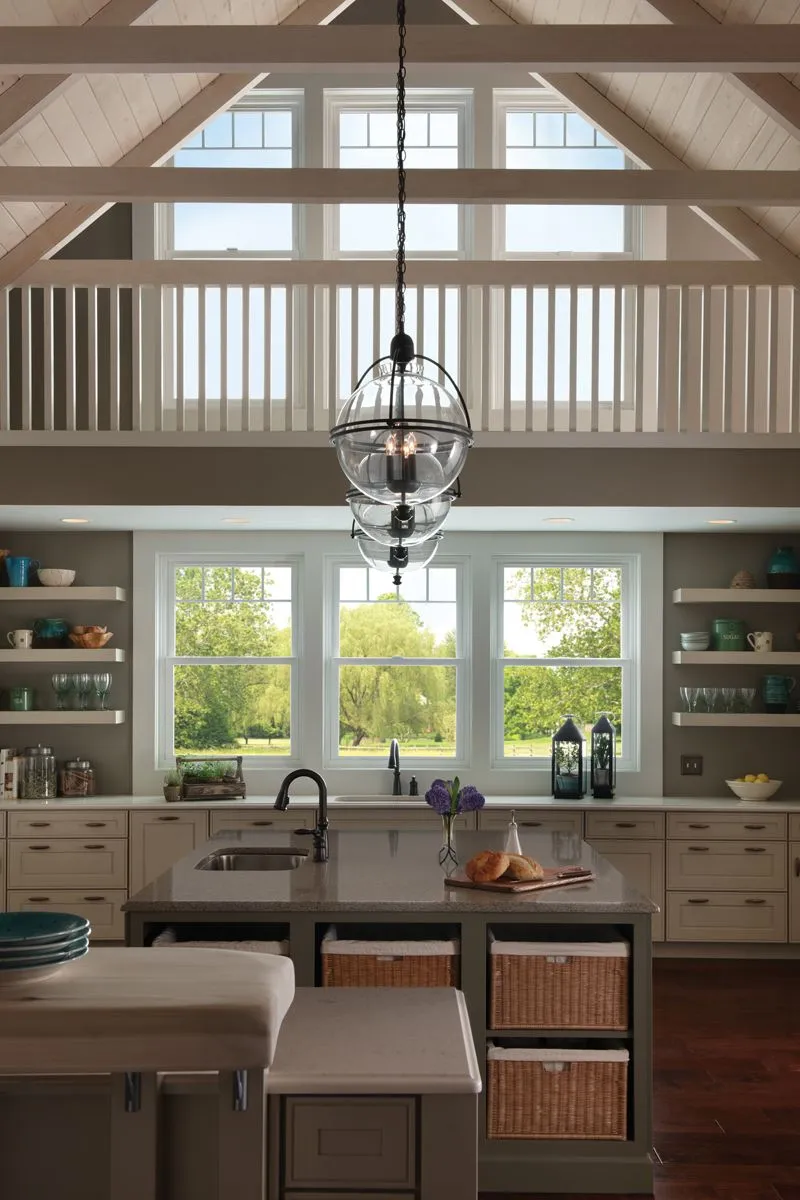
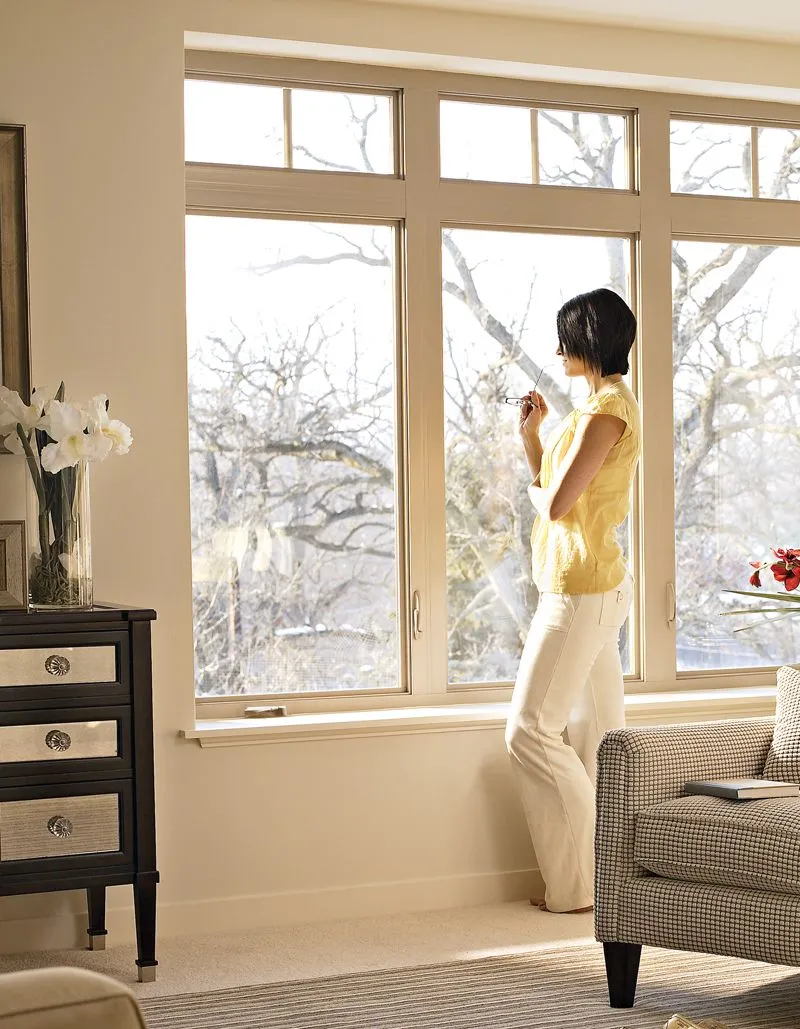
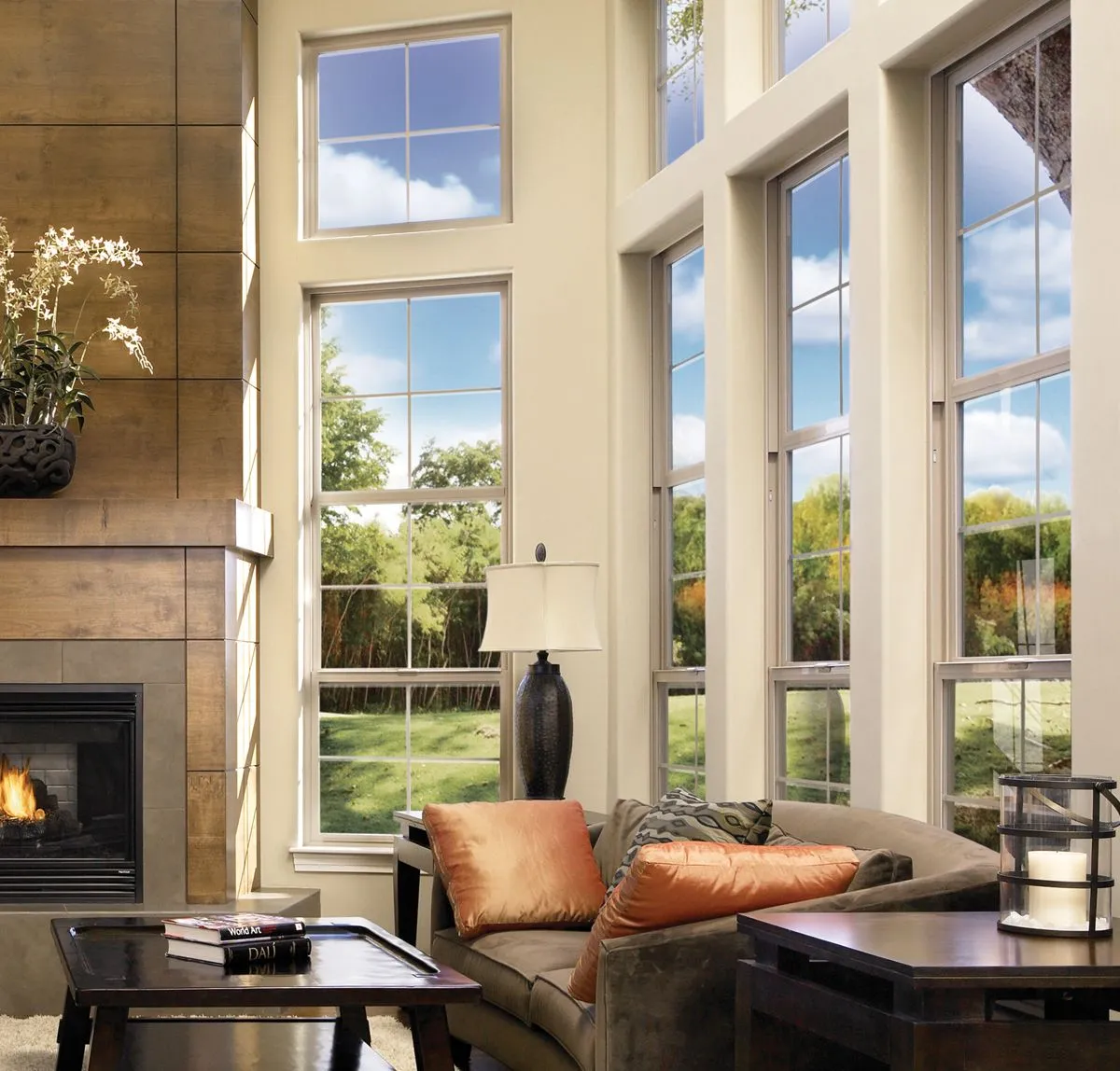
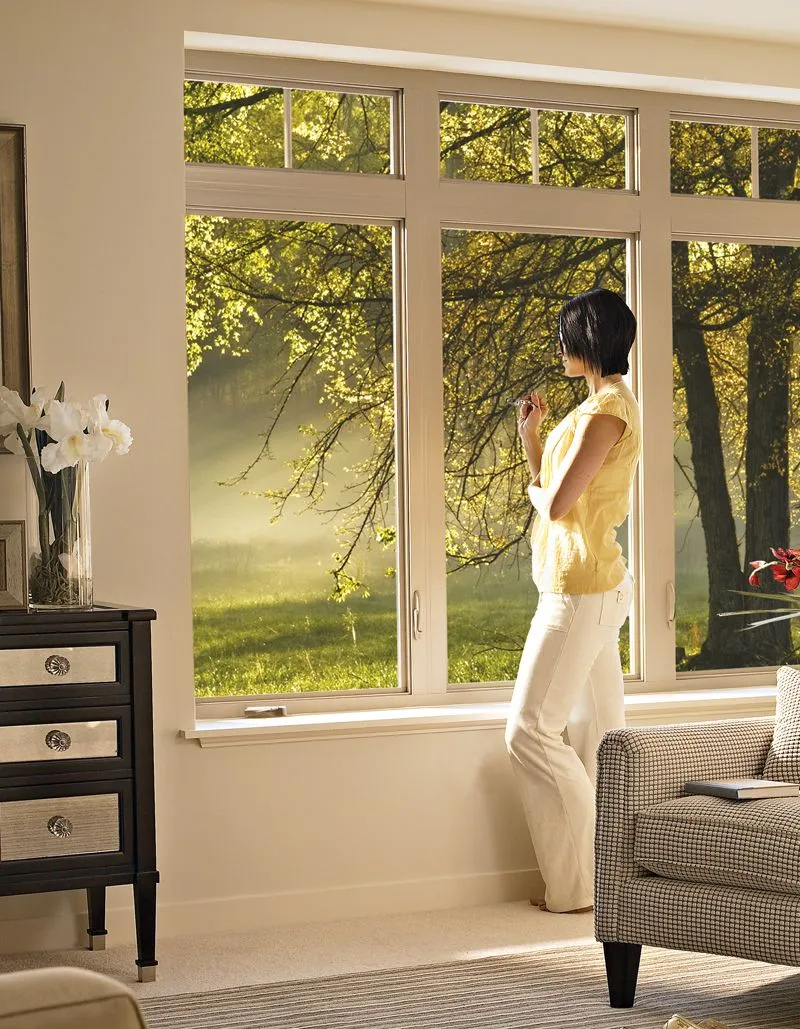
Low-E (low-emissivity) windows have a microscopically thin, transparent metallic oxide coating applied to the glass that reflects infrared heat and ultraviolet light while letting visible light pass through. In practical terms, that means your rooms stay cooler in July and warmer in January, your furniture fades more slowly, and your view looks essentially the same as it does through ordinary glass. In Utah — where thin, high-elevation air lets far more solar radiation reach your windows than it would at sea level — Low-E coatings are less of an upgrade and more of a baseline requirement.
Heat moves through a window in three ways: conduction through the frame and glass, convection through air gaps, and radiation straight through the glass itself. Low-E coatings target that third path.
The coating is a layer of silver or metallic oxide, often just a few atoms thick, bonded to the glass surface. It's tuned to be transparent to visible light (roughly 380–780 nanometers) but reflective to infrared wavelengths — the part of the spectrum you feel as heat. Sunlight still comes in. The heat riding along with it largely bounces back out.
In winter, the same coating works in reverse. Radiant heat from your furnace, your floors, and your body tries to escape through the glass, and the Low-E layer reflects it back into the room. One coating, both seasons.
There are two manufacturing approaches, and the difference matters for Utah homes.
Hard-coat (pyrolytic) Low-E is applied while the glass is still hot during manufacturing, fusing the coating into the surface. It's durable enough to be used on single panes and exposed surfaces, and it lets more solar heat through — which makes it a reasonable choice for cold northern climates where you want passive solar gain. Its downside is slightly weaker performance and a subtle haze compared to soft-coat.
Soft-coat (sputtered) Low-E is applied in a vacuum chamber after the glass is formed. It delivers noticeably better insulation and UV rejection, with better clarity. Because the coating is more delicate, it has to be sealed inside an insulated glass unit where it can't be scratched or oxidized. Most quality replacement windows sold in Utah use soft-coat, frequently with two or three separate silver layers for higher performance.
For the majority of Utah homes, soft-coat Low-E in a double-pane unit with argon gas fill is the practical sweet spot.
Utah presents a genuinely unusual combination of conditions:
A window that works well in a mild coastal climate can underperform badly here. Low-E coatings address the sun exposure and the heating load simultaneously, which is why they show up in nearly every Utah window recommendation we make across our service areas.
Windows carry NFRC rating labels with several figures. Two of them do most of the work:
U-Factor measures how much heat escapes through the window. Lower is better. It typically ranges from 0.20 to 0.35 on quality replacement windows.
SHGC (Solar Heat Gain Coefficient) measures how much solar heat passes through, on a 0-to-1 scale. Lower means more heat is blocked.
Here's where Utah gets interesting: the right SHGC depends on where in the state you live.
Southern Utah (St. George, Hurricane, Washington). Cooling dominates the energy bill. Target a low SHGC of roughly 0.25 or below, paired with a U-Factor around 0.30, to keep desert sun out. Homeowners in this region can explore options on our St. George window replacement page.
Wasatch Front (Salt Lake, Provo, Orem, Lehi, Sandy). Heating and cooling loads are more balanced. A moderate SHGC in the 0.25–0.40 range with a U-Factor of 0.30 or lower works well for most homes. See details for Salt Lake, Provo, and Orem.
Northern and mountain Utah (Logan, Park City, mountain valleys). Heating dominates. A higher SHGC of 0.40 or above lets in useful passive solar warmth, but pair it with a very low U-Factor — 0.25 or below, often triple-pane — to hold that heat in. Logan homeowners generally benefit from the most insulating configuration available.
A common mistake is buying the lowest SHGC available regardless of location. In a Logan winter, that choice rejects free solar heat you actually want.
Low-E is standard on virtually all quality replacement windows now, so it's rarely a separate line item. When it is priced as an upgrade over plain double-pane glass, expect roughly $30 to $100 per window depending on the coating tier — dual-silver and triple-silver coatings cost more than single-silver.
Against typical Utah energy bills, most homeowners see the difference return over several years, with the added benefits of UV protection and comfort arriving immediately. You can model your own numbers with our window energy savings calculator, and get a project-level figure from the window cost estimator.
Low-E windows meeting ENERGY STAR criteria may also qualify for federal efficiency tax credits. The ENERGY STAR windows program publishes current requirements by climate zone, and our guide to window tax credits and rebates covers how to claim them.
Low-E coatings block roughly 70–80% of ultraviolet light. At Utah's elevation, that's not a cosmetic concern — it's the difference between hardwood floors, artwork, upholstery, and window treatments holding their color for decades versus visibly fading within a few years on the sun-facing side of the house.
If fading is your primary concern, Low-E glass combined with the right treatments will do more than either alone. Our window UV protection and tinting guide walks through the options.
Not in any way that matches factory glass. Aftermarket Low-E films exist, and they do reduce solar heat gain, but they underperform sealed factory coatings, can void glass warranties, and may cause thermal stress cracking on some units.
If your window frames are still sound and only the glass has failed, glass-only replacement with new Low-E insulated units is often the better path — see our glass replacement service, and our comparison of glass replacement vs. full window replacement to decide which applies to your situation.
Low-E works alongside, not instead of, other efficiency features:
Our double-pane vs. triple-pane comparison covers where the extra pane pays off and where it doesn't.
Do Low-E windows make rooms darker? No. The coating is engineered to be transparent to visible light. Most people can't identify a Low-E window by looking through it, though some coatings produce a very faint tint at an angle.
Will Low-E glass hurt my houseplants? Plants use visible light for photosynthesis, and Low-E passes visible light through. Sun-loving plants directly against a south-facing window may grow slightly slower, but most houseplants are unaffected.
How long does the coating last? Soft-coat Low-E is sealed inside the insulated glass unit, so it lasts as long as the seal does — typically 20 years or more. Coating failure is rare; seal failure is what usually ends an IGU's life.
Is Low-E worth it if I already have double-pane windows? If your existing double-pane windows are older than roughly 15 years, they likely have no Low-E coating or only a first-generation one. Upgrading usually delivers a noticeable comfort improvement, especially on west- and south-facing walls.
Can I tell whether my current windows have Low-E? Hold a flame near the glass and count the reflections. Each glass surface produces one. If one reflection is a different color than the others, that surface has a Low-E coating.
Does Low-E help with winter condensation? Indirectly, yes. By keeping the interior glass surface warmer, Low-E raises the temperature at which condensation forms. Our article on window condensation in Utah covers the full picture.
The right specification depends on your elevation, which direction your windows face, how much shade you have, and how your home is heated. A south-facing wall in Provo and a north-facing wall in the same house may warrant different glass.
Utah Window Experts helps homeowners work through those decisions across the Wasatch Front, Utah County, Cache Valley, and southern Utah. Browse our full service area coverage, compare options on our window replacement page, or request a free quote to get specifications matched to your home's orientation and climate zone.
For broader background, our guides to energy efficient windows in Utah and choosing energy efficient windows go deeper on ratings and selection.

Utah Window Experts
520 Commerce Rd
Orem, UT 84058
Copyright 2026. Utah Window Experts. All Rights Reserved.