If you live near a busy road, airport, railroad, or in an urban area, window noise can be a constant frustration that disrupts your sleep, concentration, and quality of life. While traditional windows offer minimal noise protection, modern soundproofing solutions can reduce exterior noise by 50-80%, creating a peaceful sanctuary inside your home. This comprehensive guide explores the most effective strategies for reducing window noise and soundproofing your living spaces.
Understanding Window Noise and How It Enters Your Home
Before selecting soundproofing solutions, it helps to understand how noise travels through windows and why some homes are noisier than others.
How Noise Travels Through Windows:
Sound waves are vibrations that travel through the air and strike your windows. Single-pane windows vibrate easily when sound hits them, amplifying noise transmission. The sound then vibrates through the glass and into your home. Multi-pane windows, by contrast, disrupt these vibrations and reduce the amount of sound that passes through.
Common Sources of Window Noise:
- Traffic from nearby roads and highways
- Aircraft noise from airports or flight paths
- Train and railroad noise
- Construction and industrial activities
- Neighbors' activities and loud voices
- Barking dogs and neighborhood sounds
- Rain, wind, and weather-related noise
Why Old Windows Allow More Noise:
Single-pane windows and aging double-pane windows allow excessive noise because:
- Single panes have minimal mass to block sound
- Deteriorated weatherstripping creates air gaps where sound enters
- Worn seals allow vibration transfer more easily
- Older frames don't dampen vibrations effectively
Soundproofing Window Solutions
1. Acoustic (Soundproofing) Glass
Acoustic glass, also called soundproofing glass or noise-reducing glass, is specially engineered to absorb and dampen sound vibrations. This is one of the most effective solutions for window noise reduction.
How Acoustic Glass Works:
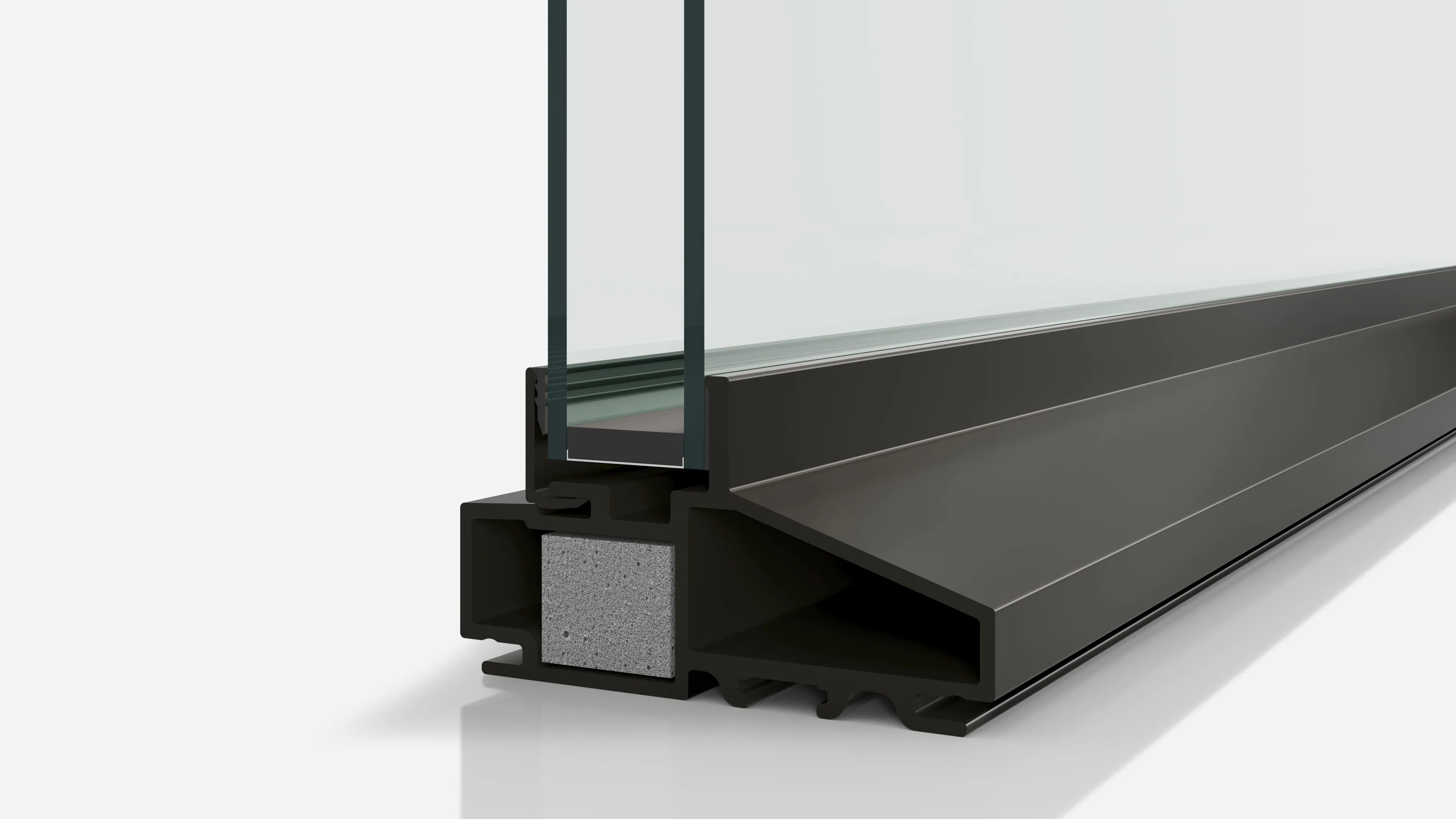
Acoustic glass uses an asymmetrical construction where panes of different thicknesses are separated by a specialized sound-dampening interlayer (often made of polyvinyl butyral or PVB). The different thicknesses prevent resonance—a phenomenon where specific sound frequencies amplify through identical panes. The interlayer absorbs vibrations before they pass through the second pane.
Performance Levels:
Sound reduction is measured in decibels (dB), with 35dB representing a typical double-pane window and 50+dB representing high-performance acoustic glass:
- 35-40dB reduction: Standard double-pane windows (minimal noise reduction)
- 40-45dB reduction: Basic acoustic glass (reduces noise noticeably)
- 45-50dB reduction: Mid-range acoustic glass (significant reduction)
- 50-60dB reduction: Premium acoustic glass (excellent soundproofing)
- 60+dB reduction: Specialized commercial-grade acoustic glass (near-silent)
Acoustic Glass Benefits:
- Dramatic noise reduction (up to 60% compared to single-pane)
- Provides security benefits (harder to break)
- Improves energy efficiency
- Blocks UV rays effectively
- Available in various tints and styles
Acoustic Glass Considerations:
- Higher cost than standard replacement windows (15-40% premium)
- Not as effective for very low-frequency sounds (traffic rumble)
- Limited customization in some styles
- May require specialized installation
2. Laminated Glass Windows
Laminated glass is another excellent sound-reduction option. While its primary purpose is safety (it holds together when broken), the same properties that make it safe also make it excellent for noise reduction.
How Laminated Glass Works:
Laminated glass features a plastic interlayer bonded between two or more panes of glass. When sound hits laminated glass, the plastic interlayer absorbs vibrations and prevents them from transmitting to the other side.
Noise Reduction Performance:
Laminated glass typically reduces noise by 30-40%, significantly better than single-pane windows but not quite as effective as specialized acoustic glass.
Laminated Glass Benefits:
- Excellent safety features (holds together when broken, preventing sharp shards)
- Good noise reduction (better than standard double-pane)
- Enhanced security (harder to break)
- UV protection
- Less expensive than acoustic glass
- Durable and long-lasting
Laminated Glass Considerations:
- Slightly heavier than regular glass
- May reduce light transmission slightly
- Not ideal as a sole soundproofing solution
- Can be combined with acoustic construction for better results
3. Triple-Pane Windows with Air Gaps
While not specialized acoustic windows, triple-pane windows offer better noise reduction than double-pane windows because the additional pane and air gap dampen sound vibrations.
How Triple-Pane Design Reduces Noise:
Each pane and air gap acts as a barrier to sound vibration. The multiple layers prevent resonance and reduce vibration transmission through the window assembly.
Noise Reduction Performance:
Triple-pane windows typically reduce noise by 35-45%, depending on the width of air gaps and whether the glass is laminated or acoustic.
Triple-Pane Window Benefits:
- Better noise reduction than double-pane
- Superior energy efficiency (excellent insulation)
- Enhanced home comfort
- Reduced condensation
- Standard construction (not a specialty product)
Triple-Pane Considerations:
- Higher cost than double-pane windows
- Heavier weight requires compatible frame construction
- Slightly reduces visible light transmission
- May not be sufficient for severely noisy locations alone
Weatherstripping and Sealing
Even the best acoustic glass loses effectiveness if air leaks around the window frame. Proper sealing is crucial for maximum soundproofing.
Types of Weatherstripping:
- Foam Tape Weatherstripping: Affordable and easy to install, provides moderate sound sealing. Lasts 3-5 years before degrading.
- Rubber Gasket Weatherstripping: More durable than foam, provides better acoustic sealing. Lasts 10+ years.
- Felt Weatherstripping: Budget option, adequate for minor gaps. Minimal acoustic benefit.
- Silicone Sealant: Permanent solution that fills gaps and cracks. Best for professional application.
- V-Strips: Wedge-shaped stripping that compresses into window tracks, providing good sealing for sliding windows.
Sealing Gaps and Cracks:
- Inspect window frames for visible gaps
- Remove old weatherstripping completely
- Clean frames thoroughly with degreaser
- Apply new weatherstripping or silicone sealant
- For professional-quality results, hire a window contractor to apply caulking
Maintenance:
Replace weatherstripping every 5-10 years or when it shows signs of deterioration, compression, or gaps. Inspect quarterly and address any new gaps immediately.
Secondary Glazing Solutions
Secondary glazing involves adding an additional layer of glazing to existing windows—either interior or exterior—to increase the sound barrier without replacing the original windows.
Interior Secondary Glazing:
A separate window unit is installed on the interior side of existing windows, creating an air pocket between the windows.
Benefits:
- Less expensive than full window replacement
- Reversible (can be removed without damage)
- Minimal exterior appearance changes
- Good noise reduction (30-40%)
- Improves insulation
Drawbacks:
- Reduces natural light slightly
- Takes up interior space
- Can make windows harder to clean
- Requires dual operation (two windows to open)
Exterior Secondary Glazing:
Similar concept but applied to the exterior of existing windows.
Benefits:
- Preserves interior appearance
- Effective noise reduction
- Protects original windows from weather
Drawbacks:
- More expensive installation
- Visible from outside
- More difficult to clean
- May not be suitable for all architectural styles
Window Coverings and Interior Treatments
While window coverings don't directly reduce noise passing through glass, certain options can help absorb sound once it enters your home, reducing reverberation and perceived noise levels.
Heavy Curtains and Drapes:
Thick, heavy curtains made from dense fabrics absorb sound and reduce reverberation. Hang them from ceiling to floor for maximum effectiveness.
- Noise reduction: Minimal (10-15% of perceived noise)
- Cost: $200-$500 per window
- Benefits: Improves privacy, blocks light, adds aesthetic appeal
- Drawback: Limits natural light, requires regular cleaning
Acoustic Panels and Treatments:
Specialized acoustic panels absorb sound within the room, reducing reverberation.
- Noise reduction: Minimal for external noise (10% of perceived noise)
- Cost: $100-$300 per panel
- Benefits: Reduces interior echo and reverberation, improves acoustics
- Drawback: Doesn't address noise entering through windows, affects aesthetics
Thermal Cellular Blinds:
These provide both insulation and some acoustic benefits by creating air pockets.
- Noise reduction: Minimal (5-10%)
- Cost: $100-$400 per window
- Benefits: Improves insulation, provides privacy, blocks light
- Drawback: Limited acoustic effectiveness
Room-Specific Noise Control Strategies
Bedroom Soundproofing
Bedrooms are particularly sensitive to noise because sleep is easily disrupted. Combine multiple strategies for best results:
- Install acoustic glass replacement windows
- Add heavy blackout curtains for darkness and sound absorption
- Use weatherstripping and caulking to seal all gaps
- Consider a white noise machine or fan for consistent background sound
- Install acoustic foam panels on one wall to improve overall room acoustics
Home Office Soundproofing
Quiet is essential for concentration and professional video calls. Implement:
- Acoustic glass windows in the office room
- Heavy curtains to absorb sound
- Weatherstripping to eliminate drafts and noise leaks
- Acoustic panels on walls, especially near windows
- Carpet or area rugs to absorb sound (avoid hard floors)
Living Room and Family Areas
These spaces benefit from moderate noise reduction without complete soundproofing:
- Mid-range acoustic glass (40-50dB reduction)
- Layered window treatments (sheer curtains plus heavier drapes)
- Weatherstripping and proper sealing
- Furniture and soft furnishings to absorb sound
Installation and Professional Considerations
When to Replace vs. Upgrade Existing Windows:
Replace existing windows with acoustic glass when:
- Windows are already old and need replacement
- You want maximum noise reduction (60%+ improvement)
- Current windows are single-pane or deteriorating
- You want to combine soundproofing with energy efficiency
Upgrade existing windows with secondary glazing when:
- Windows are relatively new and still functioning
- Budget is limited
- You want a reversible solution
- Exterior changes aren't desired
Professional Installation:
Proper installation is critical for acoustic performance. Poor installation can negate 30-50% of the window's soundproofing ability. Hire qualified window contractors who:
- Have experience with acoustic installations
- Use proper sealing and weatherstripping materials
- Follow manufacturer specifications exactly
- Include a warranty on both materials and labor
Finding Qualified Contractors:
Look for contractors who:
- Are licensed and insured
- Have 10+ years of experience with window installation
- Provide references from acoustic or soundproofing projects
- Offer written warranties
- Provide free in-home consultations
Cost Considerations
Window Replacement Costs for Soundproofing:
- Standard double-pane replacement: $300-$600 per window
- Acoustic glass replacement: $400-$800 per window
- Premium acoustic glass replacement: $600-$1,000+ per window
- Professional installation: Usually included in quotes
Secondary Glazing Costs:
- Interior secondary glazing: $200-$400 per window
- Exterior secondary glazing: $400-$700 per window
- Professional installation: Included
Additional Treatments:
- Weatherstripping and sealing: $50-$150 per window
- Heavy curtains: $200-$500 per window
- Acoustic panels: $100-$300 each
Return on Investment:
While soundproofing windows is an investment, the benefits include:
- Improved sleep quality and health
- Better focus and concentration
- Increased home value (quiet homes are more desirable)
- Reduced stress from constant noise
- Potential energy savings (especially with replacement windows)
Many homeowners find the investment worthwhile for dramatically improved quality of life.
Frequently Asked Questions
Can I soundproof a single window, or do I need to do the entire house?
You can start with the noisiest windows (typically those facing the noise source). Many homeowners prioritize bedrooms first, then extend to other areas based on budget and noise impact.
Will acoustic windows completely eliminate noise?
No single solution completely eliminates exterior noise, but acoustic glass windows can reduce noise by 50-80%, making it significantly less noticeable. Combined with proper sealing and other treatments, most homeowners achieve very acceptable noise reduction.
Are there any downsides to acoustic glass?
The main downsides are cost (15-40% premium) and that very low-frequency sounds (like traffic rumble) are harder to block than higher frequencies. The acoustic glass may also be slightly heavier, requiring compatible window frames.
Can acoustic windows improve energy efficiency?
Yes, most acoustic glass windows also provide excellent insulation, as the thicker glass and interlayers reduce heat transfer just as effectively as they reduce noise. You'll likely see improvements in both noise reduction and heating/cooling efficiency.
How long do acoustic windows last?
Quality acoustic windows last 25-40+ years, same as standard replacement windows. The interlayer material is highly durable and doesn't degrade over time if properly manufactured.
What's the best combination for maximum soundproofing?
The most effective approach combines: (1) acoustic glass or triple-pane windows with laminated glass, (2) professional sealing and weatherstripping, (3) heavy curtains or drapes, and (4) interior sound absorption treatments. This layered approach can reduce noise by 70-80%.
Can I add acoustic glass to my existing window frames?
In most cases, no—acoustic glass is heavier and may require different frame construction. Full window replacement is the most effective option, though secondary glazing is an alternative that works with existing frames.
Are motorized blinds helpful for soundproofing?
Motorized blinds don't provide significant soundproofing benefits on their own, as they're typically thin material. However, layering motorized sheer blinds under heavy thermal curtains can help. Choose motorized options that allow for thick, dense fabrics.
Creating Your Quiet Home
Living in a noisy environment doesn't mean you have to tolerate constant noise indoors. By combining acoustic windows, proper sealing, weatherstripping, and complementary treatments, you can create a peaceful home sanctuary.
For severe noise issues, start with a professional consultation to assess your specific situation. Window professionals can evaluate your current windows, identify the primary noise sources, and recommend the most cost-effective combination of solutions for your home.
Ready to transform your home's noise environment? Learn more about window replacement options and choosing energy-efficient windows that can also serve soundproofing purposes. Explore our window replacement cost guide to understand the investment required for acoustic window upgrades.