Vinyl Windows: Benefits, Costs, and Installation Guide
Comprehensive guide to vinyl windows including benefits, drawbacks, costs, energy efficiency, and installation. Learn why vinyl is the most popular window choice for Utah homes.

Alan Horne
Window and home improvement expert with deep knowledge of Utah's unique climate and residential needs.

Window frame damage doesn't always require complete window replacement. Many homeowners facing damaged frames believe they must replace the entire window unit, but targeted repairs can often restore functionality and extend window lifespan at a fraction of replacement costs. Understanding when frames can be repaired and the proper repair techniques will help you make informed decisions about your window maintenance and budget priorities. Whether you're dealing with wood rot, cracks, or separation issues, this comprehensive guide will walk you through assessment, repair options, and maintenance strategies to protect your window investment.
Before attempting repairs, it's important to understand what causes frame damage and how serious different issues are.
Rot and Wood Decay Wood frame rot occurs when moisture penetrates the wood and promotes fungal growth. This is most common in older homes with wood frames and in climates with high humidity. Rot typically appears as soft, discolored wood that may feel spongy when pressed.
Cracks and Splits Cracks develop from stress, temperature fluctuations, settling, or impact. Small surface cracks are usually cosmetic, while deep cracks that run across the frame width can affect structural integrity and seal effectiveness.
Separation and Gaps Frames can separate from the wall due to settling, improper installation, or material expansion and contraction. This creates gaps that allow drafts and water infiltration.
Warping and Twisting Wood frames warp when exposed to moisture or excessive heat. Metal frames can bend from impact or stress. Warping compromises the window's ability to seal properly.
Caulk and Weatherstripping Failure While not frame damage itself, failed caulk and weatherstripping allow moisture to penetrate the frame, leading to more serious damage. Replacing these seals is often the first repair step.
Hardware and Hinge Damage Hinges, locks, and operators can corrode, break, or become misaligned, affecting window operation without necessarily requiring frame replacement.
The decision to repair or replace depends on damage extent, frame material, and cost considerations.
Repair is typically the right choice when:
Replacement is the better option when:
Wood frames are most susceptible to damage but also most repairable. Different wood damage levels require different approaches.
Surface cracks that don't penetrate deeply can be sealed without structural concerns.
Materials needed:
Repair process:
When rot is shallow and affects only the outermost layers, removal and filling can restore the frame.
Materials needed:
Repair process:
For deeper rot that compromises significant wood, more substantial repairs are needed.
Materials needed:
Repair process:
When rot affects most of a frame's thickness or structural members, professional replacement is typically necessary. However, sometimes the window sash can be salvaged and reinstalled in a new frame.
Non-wood frames require different repair approaches.
Metal frames can corrode, especially if the protective coating fails.
Repair process:
Vinyl is less repairable than wood or metal. Small cracks can be sealed; larger damage usually requires replacement of the damaged section or full window replacement.
Minor crack repair:
Splintering or splitting: For vinyl frames that splinter or split, repair epoxy can reinforce the area, but replacement may be more practical since vinyl doesn't accept traditional wood repairs.
When frames have separated from walls or developed gaps, several correction methods are available.
Small gaps between frame and wall can be sealed with caulk alone.
Process:
When frames have separated more than 1/4 inch from the wall, shims or fasteners may be needed.
Process:
If separation is severe or the window no longer operates correctly, the frame may need to be removed and reinstalled with proper techniques.
Professional installation usually involves:
Often, frame "damage" is actually just failed seals that can be easily replaced.
Compressed, cracked, or missing weatherstripping allows air and water infiltration.
Replacement process:
Peeling, cracked, or missing caulk compromises water protection.
Replacement process:
Warped frames can sometimes be corrected; severe warping may require replacement.
If a frame has warped slightly, sometimes careful shimming can restore proper operation.
Process:
When warping prevents window operation or creates significant gaps, replacement is usually necessary. Attempting to force a severely warped frame can cause damage to the sash, glass, or hinges.
Some frame damage requires professional expertise for safe, effective repair.
Structural concerns:
Safety issues:
Complex repairs:
Specialized work:
Professional window repair companies can assess damage accurately, recommend the most cost-effective solution, and ensure repairs are done to manufacturer specifications.
Prevention is far more cost-effective than repair.
Monthly:
Quarterly:
Annually:
Interior:
Exterior:
Address minor problems immediately to prevent escalation:
Understanding the financial aspect helps with decision-making.
Minor repairs (caulk, weatherstripping, small cracks):
Moderate repairs (minor rot removal, gap sealing):
Major repairs (significant wood replacement, multiple issues):
Standard vinyl window replacement:
Repair makes financial sense when repair costs are less than 50% of replacement costs and the window is otherwise in good condition. For older windows approaching 25-30 years of age, replacement often becomes the more economical choice in the long run due to energy savings and reduced maintenance.
Historic windows or custom frames may justify significant investment in repair.
Restoring original windows preserves home character and may increase property value. Professional restoration specialists can:
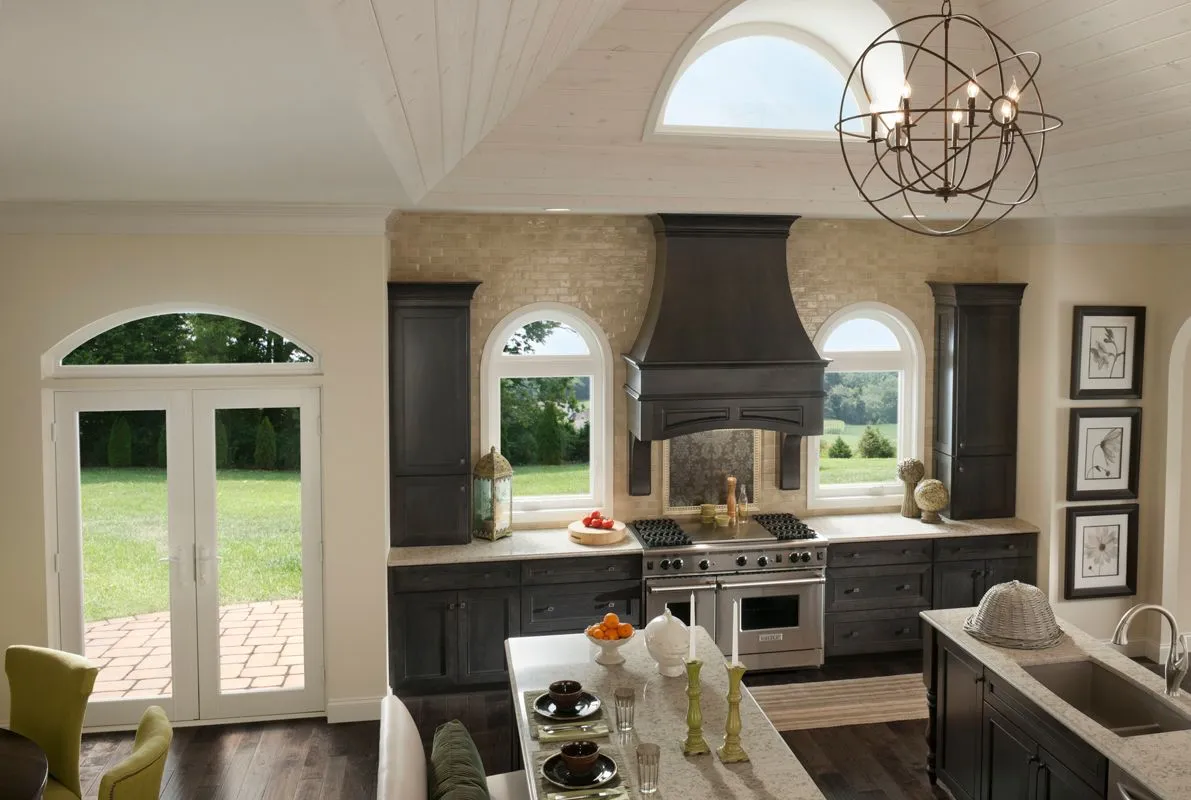
Custom or specialty frames (curved, arched, specialty materials) may justify professional repair that wouldn't be economical for standard windows.
Can I repair a rotted window frame myself? Minor surface rot can be DIY-repaired using epoxy filler. Deeper rot requires careful removal of damaged wood and wood replacement, which is more challenging. Professional help is recommended for significant rot.
How do I know if rot goes deeper than the surface? Probe the wood with a screwdriver or awl. If the tool penetrates easily, decay is deeper. Sound wood resists penetration. If you can remove more than a thin layer of rotted wood, professional assessment is recommended.
Can caulk alone fix a leaking frame? Caulk can seal minor gaps and separate seals. If water is actively leaking, the source must be identified—it may be higher up the wall or from a failed seal somewhere else.
What's the difference between repairing a frame and replacing just the glass? Frame repair addresses structural frame damage. Glass replacement addresses broken or failed glass panes. These are separate repairs; a damaged frame may require repair regardless of glass condition.
Should I paint over a repaired frame? Yes, painting provides protection and aesthetics. Use exterior-grade primer and paint suitable for your frame material (wood, metal, vinyl). This protects repairs from UV exposure and moisture.
How long do frame repairs last? Quality repairs using proper materials can last 10-20+ years. Prevention through maintenance extends repair lifespan. If the underlying cause (moisture exposure, poor drainage) isn't addressed, damage may recur.
Is it worth repairing a 30-year-old window frame? It depends on the extent of damage and other window condition. If the frame is repairable for under $300-400 but replacement would cost $800-1,200, repair makes sense. However, if the window is inefficient or has other problems, replacement might be better economically.
Can epoxy filler hold up in freeze-thaw cycles? Quality epoxy fillers designed for exterior use can handle freeze-thaw cycles well. However, using proper waterproofing (caulk, paint, flashing) is essential to prevent water from reaching the repair.
Window frame damage is common but often repairable without full replacement. By understanding the types of damage, assessing severity accurately, and taking prompt action, you can extend your windows' lifespan significantly. Small repairs and preventative maintenance are far more cost-effective than waiting until frames are too damaged for repair.
For homeowners in Utah, the climate—with its significant temperature swings and occasional moisture issues—makes frame maintenance especially important. Address frame problems early, maintain proper caulking and weatherstripping, and ensure good drainage to prevent moisture-related damage. When major damage occurs, consult with local window professionals who can assess whether repair or replacement is the best choice for your specific situation.
Don't let minor frame damage progress to major problems. Start your frame inspection this month and address any issues you find. Your windows will reward you with years of reliable, efficient performance.