
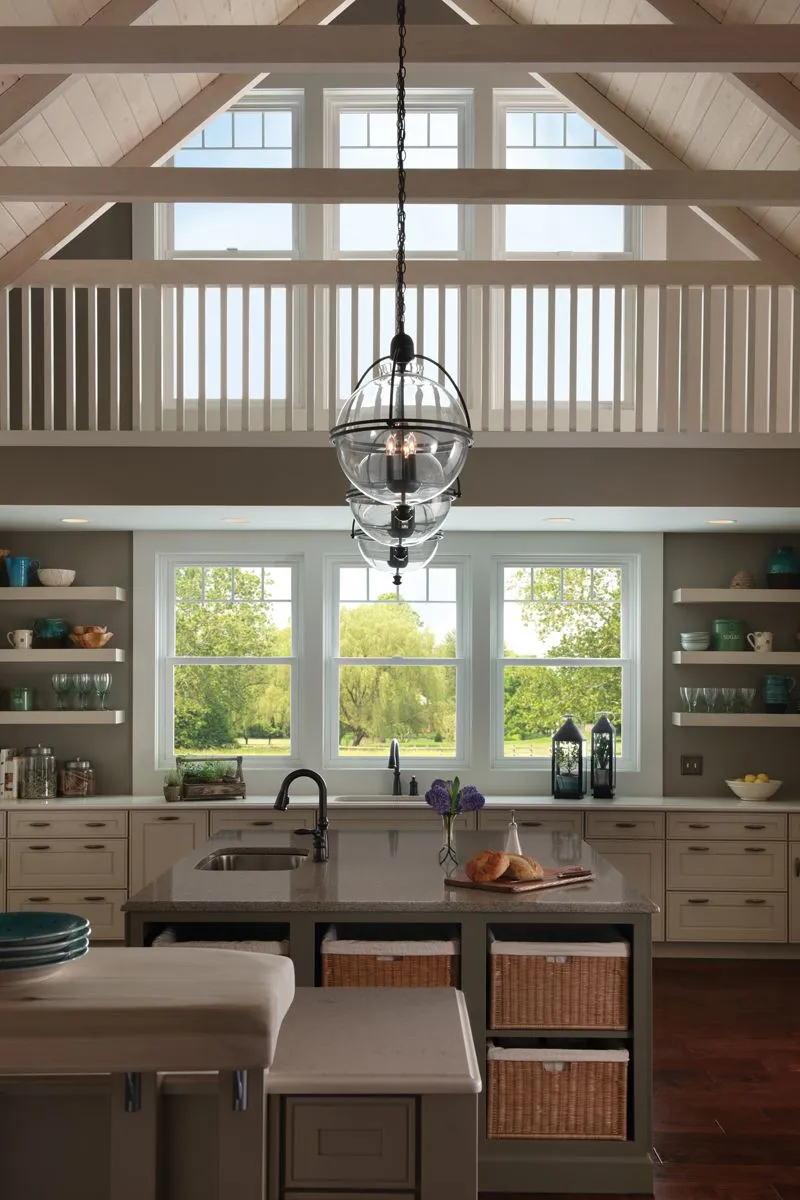
Can I Replace Just a Few Windows in My House? Partial Window Replacement Explained
Yes, you can replace just a few windows in your Utah home. Here is when partial replacement makes sense, what to watch for, and how to plan it well.

Alan Horne
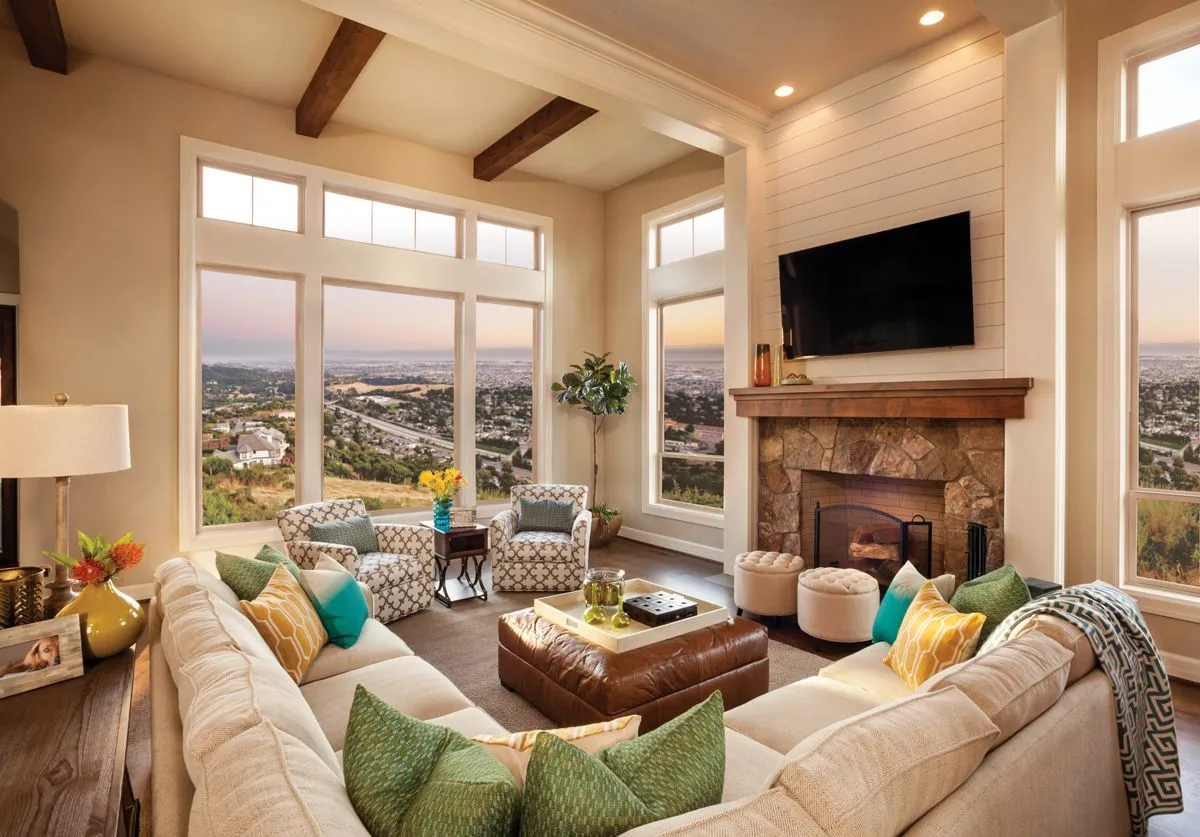
Selecting blinds for your home involves more than just picking a color that matches your décor. The right blinds can enhance your interior design, improve energy efficiency, provide privacy, and help control light—especially important in Utah's bright, sunny climate. With numerous blind types, materials, and features available, understanding your options helps you make an informed decision that meets your specific needs and budget.
Vertical blinds feature long, vertical slats that hang from the top and slide side-to-side. They're popular for sliding glass doors and large windows throughout Utah.
Advantages:
Disadvantages:
Best for: Sliding glass doors, large windows, modern home aesthetics, rooms where space is limited
Horizontal blinds feature rows of horizontal slats connected by cords, allowing individual adjustment of slat angle for precise light control. These are among the most popular blind types in Utah homes.
Advantages:
Disadvantages:
Best for: Most window types, homes with children (choose cordless), rooms requiring flexible light control, traditional and contemporary designs
Roller blinds consist of a single piece of fabric that rolls up and down on a spring-loaded cylinder. They're increasingly popular in Utah homes for their clean, modern appearance.
Advantages:
Disadvantages:
Best for: Modern homes, bedrooms (blackout versions), kitchens, minimalist interiors, rooms where light blocking is important
Cellular blinds feature hollow cells that trap air, providing superior insulation. They're increasingly popular in Utah due to energy efficiency benefits in both winter and summer.
Advantages:
Disadvantages:
Best for: Homes prioritizing energy efficiency, bedrooms, homes with children (cordless options), modern interiors, south and west-facing windows
Roman shades feature fabric that folds into horizontal pleats when raised. They offer an elegant, sophisticated appearance and work well in traditional and transitional homes.
Advantages:
Disadvantages:
Best for: Formal living rooms, bedrooms, homes with elegant décor, windows where appearance is paramount, transitional and traditional design styles
Motorized blinds are available in most blind types (horizontal, roller, cellular, etc.) with motorized operation. Popular in Utah smart homes, they offer convenience and advanced features.
Advantages:
Disadvantages:
Best for: Smart homes, high-end installations, large windows in hard-to-reach locations, homes prioritizing convenience and safety, tech-savvy homeowners
Utah's climate—with high elevation, significant temperature swings, and intense sunshine—influences blind material selection.
Best for: Kitchens and bathrooms where moisture is common. These materials resist humidity and won't warp. However, they can become brittle in extreme cold and expand in heat.
In Utah: Perfect for bathroom windows and kitchens. Less ideal for living spaces where aesthetics matter more.
Best for: Traditional and transitional homes. Wood provides natural insulation and warmth, complementing natural décor.
In Utah: Excellent for south and west-facing windows where energy control is important. Wood provides natural insulation. However, extreme temperature fluctuations can cause warping. More common in higher elevations (Park City, Alta, Logan).
Best for: Roller blinds, roman shades, and cellular blinds where light control and insulation matter.
In Utah: Fabric provides excellent light blocking and insulation—critical in Utah's climate. Available in blackout, room-darkening, and sheer options. More susceptible to sun fading on south/west-facing windows (use UV-protective options).
Best for: Any material can be motorized, but fabric-based blinds (cellular, roller, roman) most commonly use motorized systems. Aluminum and vinyl can be motorized but are heavier and require stronger motors.
Determine your light control needs:
Critical in Utah's climate:
Consider room purpose, light exposure, privacy requirements, and energy efficiency priorities.
Large windows might favor vertical blinds or cellular options. Small windows work with any blind type. Window style (double-hung, casement, bay) affects blind compatibility.
Choose blind styles that complement your home's architecture and interior design. Mismatched blinds detract from curb appeal and home value.
Visit showrooms to see how different blind types and fabrics control light in various angles. Testing in natural light helps ensure satisfaction.
If considering motorized options, verify power availability and smart home integration requirements before ordering.
Utah's high elevation and intense sunshine require blinds that effectively block UV rays and reduce heat gain. Cellular blinds, reflective options, and blackout fabrics are ideal choices.
Utah experiences significant seasonal temperature variations. South and west-facing windows benefit from heat-rejecting blinds in summer and heat-retaining options in winter. Cellular blinds automatically provide benefits year-round.
Utah's growing tech-forward communities often incorporate motorized blinds into smart home systems. Integration with thermostats, lighting, and security systems provides automated climate control and security benefits.
Historic Utah neighborhoods may have HOA restrictions on blind types or colors visible from the street. Check HOA guidelines before selecting window treatments.
Motorized blinds offer advantages in Utah homes:
Expected costs: $200-500+ additional per blind for motorization and installation.
Q: What's the difference between cellular blinds and regular blinds? A: Cellular blinds have hollow cells that trap air, providing superior insulation and energy efficiency. Regular blinds (horizontal, vertical) don't offer insulation benefits. Cellular blinds are particularly valuable in Utah's climate for reducing heating and cooling costs.
Q: Are motorized blinds worth the extra cost? A: For most homeowners, motorized blinds justify cost through improved energy efficiency, convenience, and security. In Utah homes with many south/west-facing windows, automated control prevents unnecessary heat gain and reduces cooling costs.
Q: Which blinds are best for blocking heat in summer? A: Cellular blinds with reflective or dark-colored fabrics provide the best heat rejection. For rooms with significant sun exposure, consider reflective options or heat-blocking films combined with motorized operation on a schedule.
Q: Can I use the same blind type throughout my home? A: Yes, using consistent blind types throughout creates a cohesive look. However, different rooms may benefit from different options (blackout for bedrooms, filtering for living areas). Most homeowners balance consistency with functionality.
Q: How often should I replace blinds? A: Quality blinds last 5-10 years with proper maintenance. Motorized blinds may require replacement sooner due to mechanical components. Damage repair or replacement depends on severity and warranty coverage.
Q: What's the best time to install new blinds? A: Any time works for blind installation. However, Utah homeowners often install before summer (to manage heat gain) or before winter (to improve insulation). Schedule installation at least 2-3 weeks before anticipated need.
Q: Should I get motorized blinds for all my windows? A: Prioritize motorized blinds for frequently accessed windows or hard-to-reach windows. South and west-facing windows benefit most from automated temperature control in Utah's climate. Other windows can remain manual.
Whether you choose do-it-yourself or professional installation, proper fit and operation are essential. Professional installers ensure:
Visit our service areas page to find professional blind installation throughout Utah. We serve all major communities and can recommend blind options suited to your specific window types and energy efficiency needs.
Choosing blinds for your Utah home requires balancing aesthetics, functionality, energy efficiency, and budget. Start by identifying your priorities: light control, privacy, energy savings, or smart home integration. Then evaluate blind types and materials that meet those priorities within your budget.
For rooms with significant sun exposure, prioritize energy-efficient options like cellular blinds that reduce heating and cooling costs year-round. For homes seeking modern convenience, motorized systems offer automated climate control and security benefits.
Quality blinds enhance your home's appearance while improving comfort and reducing utility costs. Take time to evaluate options, compare features, and select blinds that work for your lifestyle and Utah's unique climate.
Ready to explore blind options for your home? Connect with our team to discuss your needs and find the perfect solution for your Utah home's windows and doors.

Utah Window Experts
520 Commerce Rd
Orem, UT 84058
Copyright 2026. Utah Window Experts. All Rights Reserved.