How to Measure for Replacement Windows: Complete Step-by-Step Guide
Master window measurements with this complete guide. Learn the correct way to measure replacement windows, avoid costly errors, and prepare for professional installation.

Alan Horne
Window and home improvement expert with deep knowledge of Utah's unique climate and residential needs.
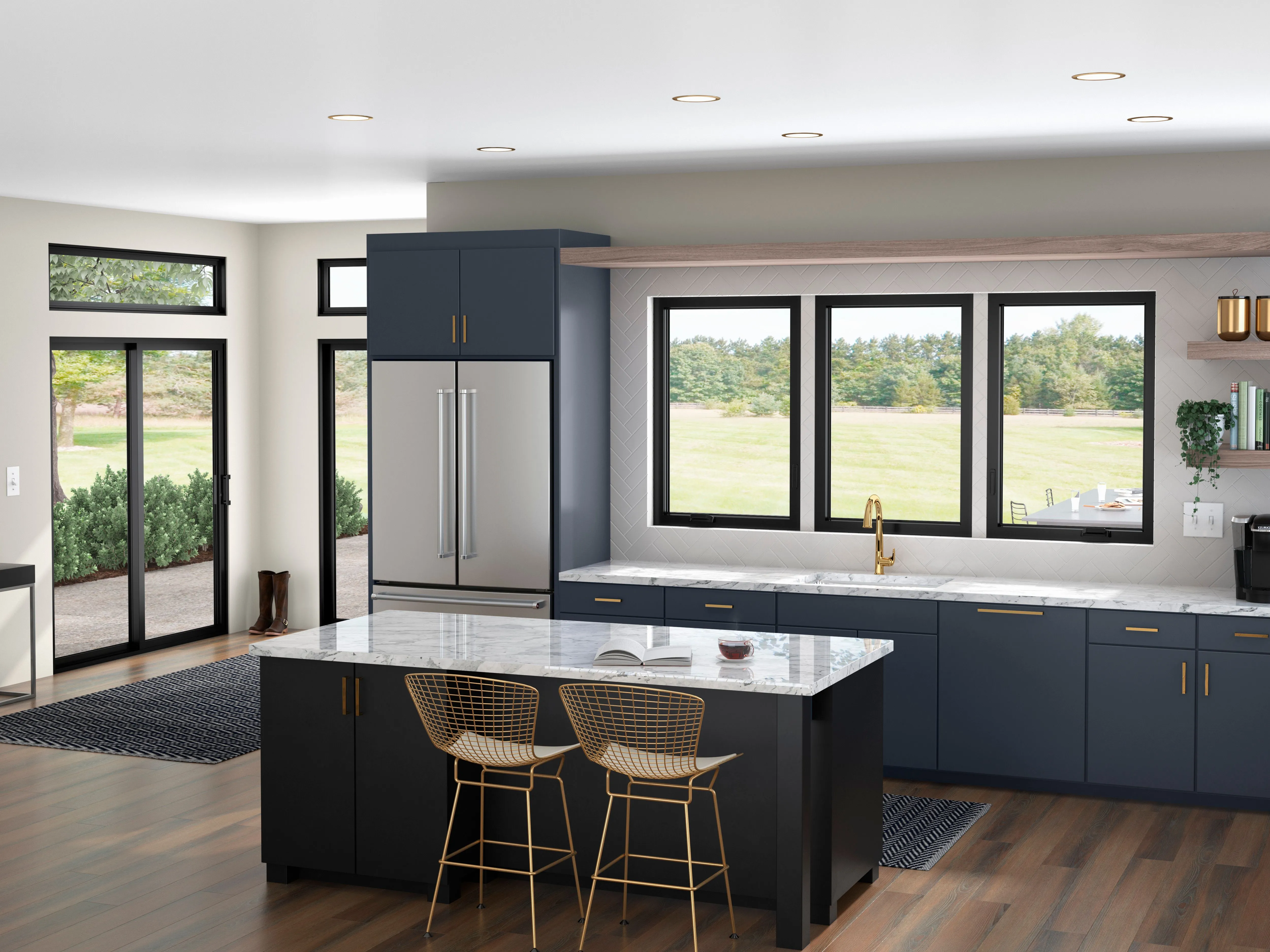
Transom windows add distinctive architectural character while providing unexpected functional benefits that homeowners often overlook. These windows, traditionally positioned above doors or other windows, create visual interest while improving natural light distribution and ventilation throughout your home. Whether you're considering installing transoms in a new construction project or upgrading an existing home, understanding their benefits, costs, and installation requirements will help you make an informed decision that enhances both your home's aesthetics and functionality.
Transom windows are small windows positioned horizontally above doors, larger windows, or walls, typically separated by a horizontal structural beam called a transom bar. The term "transom" originally referred to the horizontal bar itself, but now commonly describes the window installed above it.
Key characteristics:
Understanding the history of transom windows provides appreciation for their enduring design value. Originally developed in ancient Rome and perfected during the Renaissance, transom windows served important functional purposes in buildings before modern ventilation systems existed. In commercial buildings, transoms above doors allowed hot air to circulate and escape, naturally cooling interior spaces. In residential applications, transoms added decorative architectural character to entryways and primary windows while improving natural light distribution to interior hallways and foyers.
This historical pedigree explains why transom windows remain popular today—they combine proven functionality with timeless aesthetic appeal.
Transom windows provide numerous benefits that extend beyond their decorative appeal.
The primary functional advantage of transom windows is increased natural light penetration into interior spaces. By positioning windows higher on the wall, transoms capture light that would otherwise be blocked by furniture, landscaping, or building overhangs. This is particularly valuable in entryways, hallways, and interior rooms where ceiling-height windows aren't practical. More natural light reduces reliance on artificial lighting, lowering energy costs while creating more inviting interior spaces.
Transom windows, particularly operable varieties, enhance air circulation throughout your home. Hot air naturally rises, making transom windows ideal for releasing warm air from upper wall areas. This natural convection improves indoor air quality and reduces cooling costs during warm months. In rooms without traditional windows, transom windows can provide essential cross-ventilation.
Transom windows add visual sophistication and architectural interest to otherwise plain walls or doors. Their decorative potential is remarkable—transoms can feature decorative patterns, specialty glass, or shaped frames that serve as focal points. This architectural enhancement increases home value and curb appeal while creating unique design statements that distinguish your home from others.
Homes featuring thoughtfully designed transom windows command higher market values. Buyers recognize transom windows as indicators of quality craftsmanship and attention to architectural detail. Real estate studies show that homes with distinctive architectural features like transom windows sell faster and at higher prices than comparable homes without such features.
Transom windows above doors provide a functional privacy solution. Residents enjoy natural light and visibility into hallways or adjacent rooms without losing visual privacy at eye level. This combination—privacy combined with light—is difficult to achieve with traditional windows.
Modern transom windows offer remarkable design flexibility. You can specify:
This flexibility allows transoms to complement virtually any architectural style, from traditional colonial homes to modern minimalist designs.
While transom windows offer significant advantages, understanding their limitations helps ensure they're appropriate for your project.
Transom windows work best as supplementary windows rather than primary light sources. Their higher positioning and smaller typical size mean they don't provide the viewing area or light output of main windows. For rooms requiring substantial natural light or outdoor views, transom windows alone are insufficient.
Proper transom installation requires careful structural consideration. The space above doors requires structural support, and improper installation can compromise building integrity. Professional installation is strongly recommended, which increases project costs compared to simple window replacement.
While basic transom windows are relatively affordable, specialty shapes, custom glass, or decorative patterns significantly increase costs. Arched transoms, circular windows, or custom grille patterns can double or triple pricing compared to standard rectangular options.
Transoms positioned high above doors or windows can be difficult to access for cleaning. You may need ladders or specialized equipment to safely clean exterior surfaces, increasing maintenance requirements and costs.
Many transom installations use fixed windows for structural and aesthetic reasons. While fixed windows simplify installation, they eliminate ventilation benefits. Operable transom windows are available but cost more and require more complex hardware.
Transom window pricing varies based on size, materials, configuration, and customization options.
Basic Vinyl Transom Windows (Fixed):
Fiberglass Transom Windows:
Decorative/Specialty Transom Windows:
Wood Transom Windows:
Professional installation typically adds $100-$300 per transom window, depending on:
A typical project installing 2-3 transom windows averages $400-$1,500 for materials and labor combined. Budget $200-$500 per window as a reasonable estimate for basic installations, or $400-$800 per window for specialty designs.
Modern transom windows offer numerous design possibilities.
Fixed transoms (non-opening) are most common. They maximize light transmission without operational complexity or structural concerns. Fixed transoms work well above entryway doors where ventilation isn't needed.
Casement-style transom windows operate with small cranks or push mechanisms. These provide ventilation benefits and flexibility, though they're more complex to install and cost more than fixed options.
Transoms can feature decorative grilles that enhance visual interest:
Contemporary transom options extend beyond standard rectangles:
Transom glass choices significantly affect light quality and privacy:
Proper installation is crucial for transom performance and structural integrity.
1. Prepare the opening:
2. Install flashing:
3. Position the transom:
4. Secure the window:
5. Insulate the gap:
6. Install interior trim:
7. Finish exterior:
Professional installation is highly recommended for transom windows, particularly for:
Transom windows excel in specific residential applications.
Transoms above exterior entry doors provide natural light to foyers while maintaining privacy at eye level. This classic application showcases transom windows' aesthetic and functional potential. Decorative transoms above front doors significantly enhance curb appeal.
Transoms above interior doors (office doors, bedroom doors, bathroom doors) allow light from one room to illuminate adjacent spaces. This reduces artificial lighting needs while creating open, airy floor plans. Frosted or obscured glass transoms provide light without visual privacy loss.
Large picture windows can be enhanced with smaller transom windows above them, creating architectural interest and improving light distribution to higher ceiling areas.
Transoms along kitchen valances above sink areas or islands add light and architectural interest while maintaining flexibility for cabinetry or appliance placement.
Hallways and interior rooms without exterior walls benefit tremendously from transom windows that allow light from adjacent rooms or clerestories to illuminate these spaces.
Small operable transoms in bathrooms provide ventilation without requiring exterior walls or large window installations. Privacy glass options work well for this application.
Transom windows above garage doors allow light into garage spaces while eliminating the need for additional windows in garage walls.
Utah's architectural traditions feature transom windows in historic homes throughout Salt Lake City, Provo, and other communities. Contemporary Utah homes frequently incorporate transom windows as part of transitional and modern designs. The bright Utah sun makes transom windows particularly valuable for maximizing natural light distribution without heat gain in summer months.
Utah building codes permit transom windows in most applications. For bathrooms or areas with specific code requirements, verify local regulations before installation. Energy codes may require Low-E coatings on transom glass in some jurisdictions.
Energy efficiency considerations for transom windows differ from primary windows:
Key efficiency features:
Since transoms typically represent a small percentage of total window area, their overall energy impact is minimal. Focus on using high-efficiency glazing and proper installation to minimize any energy concerns.
Transoms vs. Clerestory Windows:
Transoms vs. Skylights:
Transoms vs. Interior Lights:
Fixed Transoms (Most Common):
Operable Transoms:
Decorative vs. Functional:
Transom windows require minimal maintenance:
Monthly:
Quarterly:
Annually:
Every 3-5 years:
Condensation on glass:
Water stains around frame:
Difficult operation (for operable transoms):
Visible cracks in glass or frame:
Can transom windows be installed in any home style? Yes, transoms can be customized to complement virtually any architectural style. Choose frame colors, glass types, and grille patterns to match your home's aesthetic.
Are transom windows energy efficient? Fixed transom windows eliminate air leakage concerns. Using Low-E glass and proper installation minimizes energy impact. Operable transoms may have slightly higher energy costs but provide ventilation benefits.
What size should transom windows be? Size depends on the door or window below and available space. Typically, transoms are 1/3 to 1/2 the height of the opening below and match its width.
Can transom windows be opened for ventilation? Yes, operable transom windows are available, though they're less common than fixed designs. They cost more but provide ventilation benefits.
How do I clean exterior transom windows? Exterior cleaning requires ladder access or professional window cleaning services. Consider this when deciding between fixed and operable options.
Do transom windows require building permits? Most jurisdictions require permits for any window installation. Check local building department requirements before starting your project.
What glass options provide privacy for bathroom transoms? Frosted, etched, or textured glass provides privacy while transmitting light. Specialty privacy patterns offer aesthetic options beyond simple frosting.
Can I install transom windows myself? While DIY installation is possible for simple fixed transoms in existing openings, professional installation is recommended for optimal results and warranty validity.
How long do transom windows last? Quality transom windows last 25-40+ years with proper maintenance. Premium fiberglass or wood options can exceed 50 years.
What makes a good location for decorative transoms? Above entry doors, above interior doors, and along kitchen valance areas are ideal locations where transoms receive visibility and can showcase their aesthetic potential.
Transom windows represent an often-overlooked opportunity to enhance your home's light quality, ventilation, and architectural character. Whether you're building new construction or renovating an existing home, thoughtfully designed transom windows provide both aesthetic appeal and functional benefits. Their versatility allows them to work in virtually any home style, from traditional colonial homes to contemporary minimalist designs.
The investment in quality transom windows pays dividends through improved natural light, distinctive architectural character, and enhanced home value. Whether you opt for simple fixed glass transoms or elaborate decorative designs with specialty shapes, transom windows add timeless character while serving practical purposes that improve daily living.
Consider transom windows as part of your next window replacement or home renovation project. Consult with local window specialists in Utah who can assess your specific needs, recommend appropriate styles and materials, and ensure proper professional installation. The result will be a more light-filled, architecturally distinctive home that stands out from the ordinary and serves your family well for decades to come.