
What to Expect During Window Replacement Installation — Understanding the Process
Wondering what happens on installation day? Here's a clear, step-by-step look at how window replacement works, from prep to final cleanup.

Alan Horne
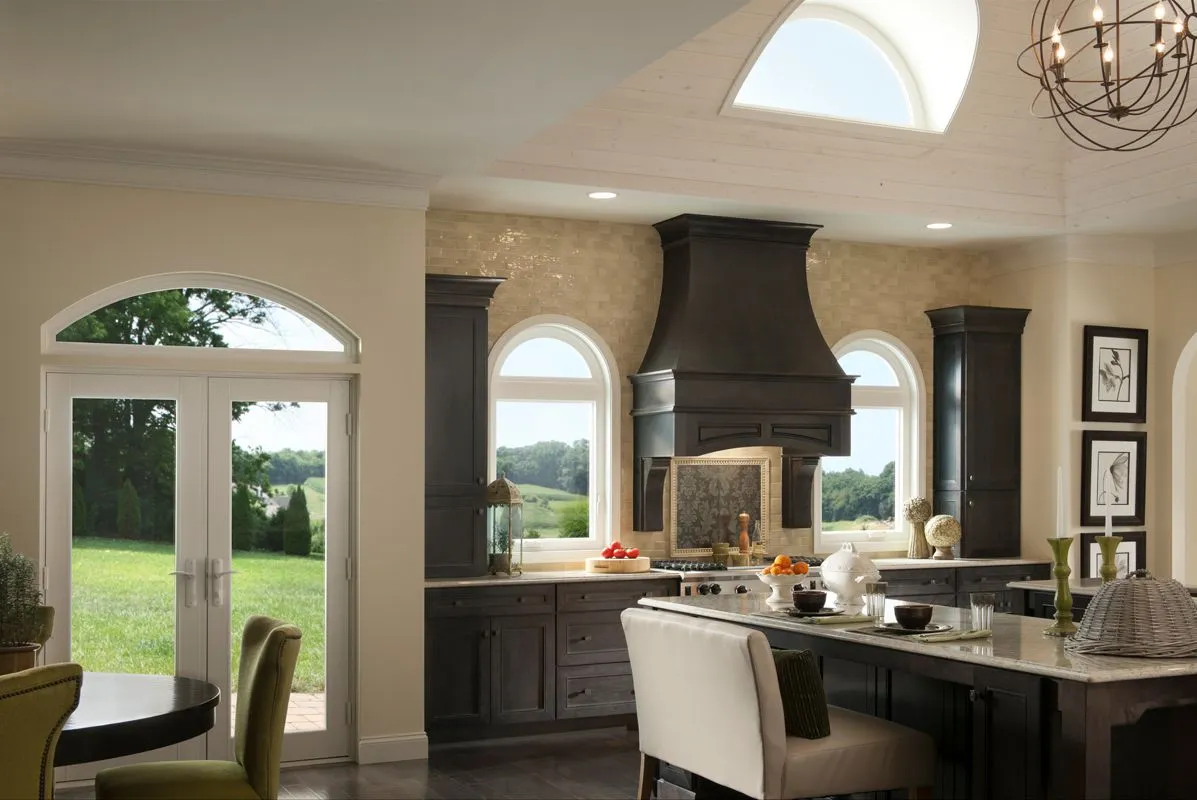
Most quality replacement windows last about 20 to 40 years, though the real number depends on the frame material, how well the windows were installed, and the climate they live in. Here in Utah, with intense summer sun, cold winters, and big temperature swings, those factors matter even more. Below is a practical look at what shapes window lifespan and how to think about the return on your investment.
These are general industry ranges, not guarantees. Your results will vary with product quality and care.
| Frame Material | Typical Lifespan | Notes |
|---|---|---|
| Vinyl | 20–40 years | Low maintenance; quality of the extrusion and welds matters |
| Fiberglass | 30–50 years | Very stable in heat and cold; resists warping |
| Wood | 30+ years with care | Beautiful, but needs regular sealing and painting |
| Aluminum | 20–30 years | Durable, but less insulating unless thermally broken |
If you're weighing materials, our post on vinyl vs wood vs fiberglass replacement windows goes deeper on the tradeoffs.
Frame material is only part of the story. These factors often make the biggest difference:
Not every old window needs to be replaced right away. Sometimes a window repair is the smarter call. Watch for these signs:
A good rule of thumb: if the problem is a single worn part or a failed seal in an otherwise solid frame, repair may make sense. If the frame itself is damaged or several windows are failing at once, replacement usually pays off better.
Return on investment for windows isn't just about the sticker price. It comes from several sources at once:
Because the benefits stretch over decades, the longer a window lasts, the more years you have to recoup the cost. That's why a longer-lived window installed correctly often beats a cheaper one that needs replacing sooner.
If you want an independent starting point, the ENERGY STAR guide to residential windows explains what to look for in efficiency ratings for your climate zone.
Replacement windows are a long-term investment, and a well-chosen, well-installed window can serve your home for decades. The best way to know what makes sense for your house is to have someone take a look at what you have now. If you're considering window replacement in Utah, our local team is happy to walk through your options honestly, with no pressure, so you can decide what's right for your home.

Utah Window Experts
520 Commerce Rd
Orem, UT 84058
Copyright 2026. Utah Window Experts. All Rights Reserved.