Milgard Windows & Doors Promotion — Ends June 8

Casement Windows: Benefits, Costs, and Installation Guide for Utah Homes

Casement windows are a popular choice for homeowners seeking superior ventilation, energy efficiency, and aesthetic appeal. Unlike traditional double-hung windows that slide vertically, casement windows open outward on hinges like a door, offering unique advantages that make them particularly well-suited to Utah's diverse climate. This comprehensive guide explores everything Utah homeowners need to know about casement windows, from their benefits and costs to installation considerations and climate-specific performance.

What Are Casement Windows?

Casement windows are hinged on one side and swing open outward like a door, typically operated by a hand crank or lever handle. The operating sash seals tightly against the frame when closed, with the window hardware providing multiple locking points along the frame edge. This design creates an exceptionally tight seal that provides outstanding weather resistance and energy efficiency.

Key Characteristics

  • Hinged operation: Windows swing outward on side hinges
  • Crank or lever operation: Hand crank mechanisms allow easy control of opening width
  • Tight seals: Compression seals along all four sides of the sash
  • Single or paired: Can be installed individually or in pairs
  • Full ventilation: Entire window opening can be utilized for airflow

Why Casement Windows Perform Well in Utah's Climate

Utah's extreme temperature swings, low humidity, intense UV radiation, and seasonal weather variations create specific demands on window performance. Casement windows have inherent design characteristics that handle Utah's challenging conditions exceptionally well.

Superior Sealing for Temperature Extremes

The hinged design of casement windows creates a compression seal along all four sides of the operating sash. When closed, the window sash is pressed firmly against the frame by the locking hardware, creating a seal far tighter than traditional double-hung windows. This compression seal is ideal for Utah's dramatic temperature swings, where thermal stress can weaken standard weatherstripping.

Utah's temperature variations—from -10°F winter lows to +100°F summer highs, sometimes with 40-50°F daily swings—cause materials to expand and contract constantly. The mechanical compression of casement window seals handles this thermal cycling better than sliding windows, which rely solely on weatherstripping contact.

Enhanced Ventilation Control

The crank mechanism on casement windows allows you to control ventilation precisely. Unlike double-hung windows where you either have them open or closed, casement windows can be opened 10%, 50%, 90%, or fully. This controlled ventilation is valuable in Utah's dry climate, where managing interior humidity and fresh air flow is important for comfort and indoor air quality.

Excellent Weather Resistance

The outward-opening design directs rain and snow away from the window mechanism and seal. In Utah's mountainous regions with significant winter precipitation, this design characteristic prevents water infiltration that can occur with sliding windows if seals deteriorate. Spring snowmelt is less likely to compromise casement window performance.

UV Performance in High-Altitude Environments

Utah's high elevation (3,500-11,000 feet depending on location) means intense UV radiation that degrades window components faster than in lower-altitude regions. Quality casement windows with UV-stabilized vinyl frames and high-performance coatings resist degradation better than budget options. The frame design of casement windows is often simpler and more robust than complex sliding systems that can have more UV-exposed components.

Casement Window Benefits for Utah Homeowners

Superior Energy Efficiency

The tight compression seals and minimal air leakage of casement windows provide energy performance superior to sliding windows. When properly installed with quality Low-E coatings, casement windows deliver significant heating and cooling cost reductions:

  • Reduced air infiltration: Compression seals minimize drafts and cold spots
  • Better thermal performance: Quality Low-E coatings reflect heat and cold effectively
  • Reduced HVAC load: Less energy needed to maintain consistent home temperature
  • Annual savings: $200-$400+ per year for homes with significant casement window replacement

Exceptional Ventilation

The outward-opening design and crank operation provide ventilation advantages:

  • Full opening capability: Entire window opening can be utilized for airflow
  • Breeze management: Crank allows you to adjust opening to preferred breeze level
  • Directional air control: Outward-opening design can direct outdoor air into home
  • Natural cooling: Excellent for cross-ventilation on warm Utah spring and fall days

Enhanced Home Security

The mechanical locking mechanism of casement windows provides security advantages:

  • Multiple lock points: Locking hardware engages at several points along the frame
  • Visible mechanism: Unlike sliding windows, you can see the lock is engaged
  • Difficult to force open: The compression seal and multiple locking points make forced entry difficult
  • Child safety: Crank mechanisms can be removed, preventing unattended children from opening windows

Improved Aesthetics and Views

Casement windows offer design advantages:

  • Clean frame lines: Single-panel design creates minimal visual obstruction
  • Unobstructed views: No internal dividing frame like some double-hung configurations
  • Modern appearance: Contemporary aesthetic suits modern Utah homes
  • Customizable styles: Available in various colors and frame materials to match home design

Easy Operation and Maintenance

  • Smooth crank operation: Requires minimal effort compared to heavy sliding windows
  • Simple cleaning: Outward-opening sash can be tilted inward for easy exterior cleaning
  • Durable mechanism: Modern crank mechanisms are engineered for reliable operation
  • Low maintenance: Vinyl casements require minimal upkeep beyond occasional cleaning

Casement Window Styles and Configurations

Single Casement Windows

A single window operates on one hinge, opening fully to one side. Ideal for narrow spaces or accent windows where a single operating sash is sufficient.

Paired Casement Windows (French Casement)

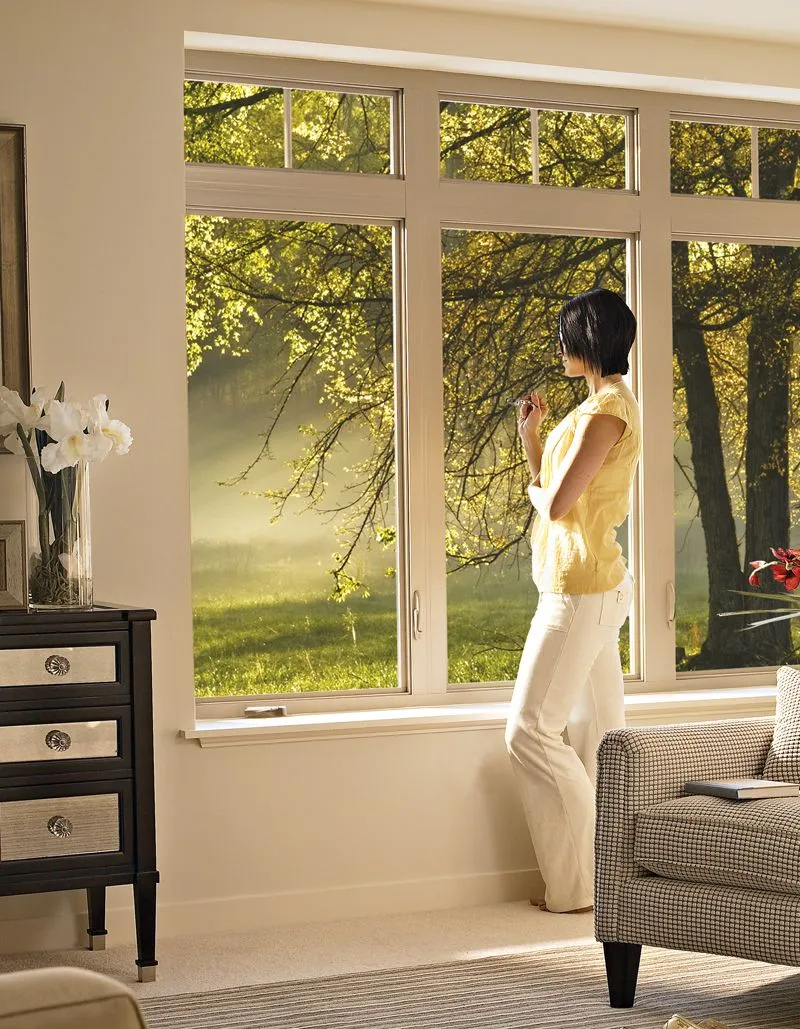
Two casement windows operate together, typically opening in opposite directions from the center. Creates a wider opening for ventilation and a more symmetrical appearance. Popular for patio-style applications or large openings.

Casement with Fixed Pane Combinations

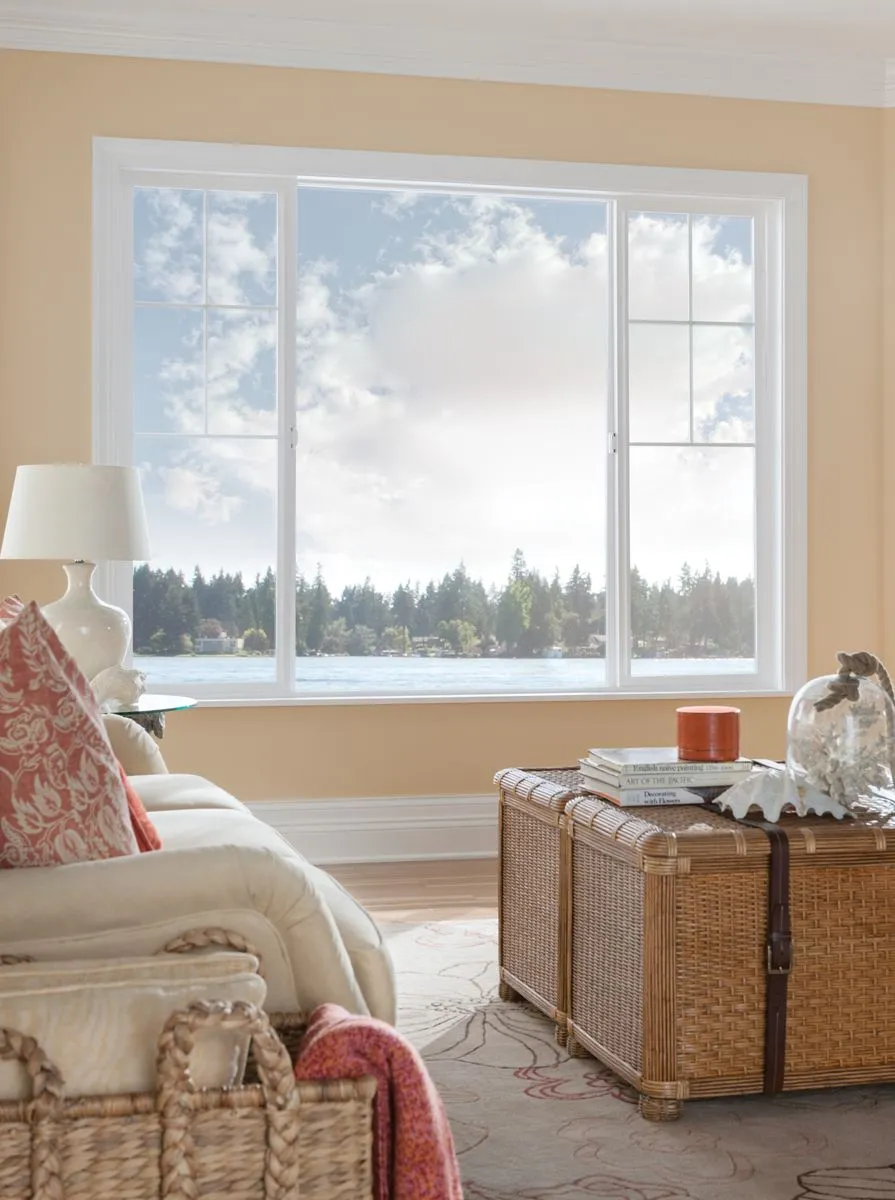
A casement window paired with a permanently fixed window. The fixed pane maximizes glass area for light and views while the casement provides ventilation control. Common configuration in larger openings.

Garden Windows with Casement Vents

Some garden window designs include small casement-style vents that open outward, allowing ventilation while maintaining the projecting structure.

Casement Window Materials and Frame Options

Why vinyl works for Utah:

  • Excellent insulation properties
  • Resists warping in Utah's extreme temperatures
  • UV-stabilized formulations maintain color in intense sun
  • Low maintenance—no painting or staining required
  • Cost-effective compared to other materials
  • Durability of 25-30+ years with quality formulations

Best features for Utah:

  • Multi-chambered frame design for enhanced insulation
  • UV stabilizers in vinyl formulation
  • Reinforced locking hardware for durability
  • Quality weatherstripping rated for temperature extremes

Fiberglass Frames

Why fiberglass excels:

  • Superior thermal performance
  • Minimal expansion/contraction in temperature extremes
  • Extremely durable in high-UV environments
  • 30+ year lifespan
  • Can be painted to match any color scheme
  • Handles Utah's freeze-thaw cycles exceptionally well

Considerations:

  • Higher cost than vinyl ($200-$400 more per window)
  • Limited standard color options (though paintable)
  • Professional installation recommended

Wood and Wood-Clad Frames

Advantages:

  • Beautiful traditional appearance
  • Excellent insulation properties
  • Elegant aesthetic for historic or upscale homes

Considerations for Utah:

  • Less ideal than vinyl/fiberglass for Utah's extreme conditions
  • Requires regular maintenance (painting, staining, sealing)
  • Susceptible to warping in rapid temperature changes
  • More expensive than vinyl
  • Limited lifespan (15-20 years) in Utah's extreme climate

Aluminum Frames (Less Common for Casement)

Not typically recommended for casement windows due to thermal conductivity issues, though some premium aluminum-clad options exist. Aluminum conducts heat and cold, reducing the energy efficiency benefits of the window design.

Glass Options for Casement Windows

Double-Pane Glass (Standard)

The industry standard for modern replacement casements:

  • Good insulation and noise reduction
  • Better energy efficiency than single-pane
  • NFRC ratings typically range from 0.30-0.45 U-factor
  • Adequate for most Utah climates

Triple-Pane Glass (Premium)

Recommended for mountain communities or maximum comfort:

  • Superior insulation performance
  • Reduced noise infiltration
  • U-factor ratings often 0.20-0.30
  • Better comfort in extreme cold
  • Higher upfront cost but faster payback through energy savings

Low-E Coatings

Essential for Utah's intense UV environment:

  • Reflects 40-60% of summer solar heat
  • Retains 95%+ of interior winter heat
  • Blocks 99% of UV radiation (prevents fading)
  • Reduces annual energy bills by 10-15%
  • Virtually invisible coating

Gas Fills (Argon or Krypton)

Inert gas between panes improves thermal performance:

  • Argon: Standard and cost-effective
  • Krypton: Premium option with slightly better performance, thinner profile
  • Both significantly better than air-filled gaps

Casement Window Costs for Utah Homeowners

Material Costs by Frame Type

  • Vinyl casements: $300-$600 per window
  • Premium vinyl with triple-pane: $500-$800 per window
  • Fiberglass casements: $500-$900 per window
  • Wood-clad or premium options: $800-$1,500+ per window

Installation Costs

Professional installation typically adds $150-$300 per window depending on:

  • Size of window opening
  • Structural modifications needed
  • Difficulty of installation location
  • Removal and disposal of old window
  • Geographic location within Utah

Total Project Cost Examples

  • Single casement window: $500-$1,000 installed
  • Pair of casement windows: $1,000-$2,000 installed
  • Four casement windows (typical room): $2,000-$4,500 installed
  • Whole-home replacement (15-20 windows): $7,500-$20,000+ installed

Return on Investment

Quality casement window replacement offers strong ROI:

  • Annual energy savings: $200-$400+ for complete replacement
  • Payback period: 7-12 years for mid-range windows
  • Home value impact: Adds 60-80% of replacement cost to resale value
  • Comfort improvement: Eliminates drafts and hot/cold spots

Installation Process for Casement Windows

Pre-Installation Planning

Measurements and Ordering

  • Professional measurements ensure proper fit
  • Order windows 2-4 weeks in advance
  • Specify frame color, glass options, and hardware preferences
  • Verify opening dimensions and structural conditions

Site Preparation

  • Clear area around windows of obstacles
  • Protect surrounding areas with drop cloths
  • Schedule installation during moderate weather (spring or fall ideal)
  • Arrange for HVAC to be adjusted if needed during work

Installation Steps

Removal of Old Window

  • Carefully remove existing window frame and sash
  • Clean opening of old caulk, insulation, and debris
  • Inspect framing for damage or rot that requires repair
  • Allow time for any necessary framing repairs

Preparation of Opening

  • Ensure opening is level, square, and properly sized
  • Install house wrap or flashing as needed
  • Prepare sill for proper drainage

New Window Installation

  • Position new window frame in opening
  • Shim and level frame carefully
  • Secure frame with appropriate fasteners
  • Install insulation around frame perimeter
  • Caulk exterior seams with quality exterior caulk

Interior Finishing

  • Install interior trim or molding
  • Caulk interior seams for air sealing
  • Test window operation and locking mechanism
  • Final cleanup and inspection

Professional vs. DIY Installation

Professional installation is strongly recommended because:

  • Improper installation compromises energy efficiency and warranty
  • Requires knowledge of flashing and moisture management
  • Building code compliance requires professional expertise
  • Most window warranties require professional installation
  • Mistakes are expensive to correct

Comparing Casement Windows to Other Window Types

Casement vs. Double-Hung

FeatureCasementDouble-Hung
VentilationExcellent (full opening)Good (limited to 50%)
Energy efficiencyExcellent (compression seal)Good (sliding seals)
CleaningEasy (outward swing)More difficult
Space requirementsNeeds clearance to openMinimal (slides vertically)
CostSimilarSimilar
SecurityExcellent (multiple locks)Good
Utah performanceExcellentGood

Casement vs. Sliding Glass Doors

Casement windows are ideal for moderate openings, while sliding glass doors work better for large patio-style openings. Casement windows provide superior sealing for energy efficiency, while sliding doors offer greater opening width and unobstructed sightlines.

Casement vs. Awning Windows

Both are hinged outward, but awning windows hinge at the top and swing outward from the bottom. Casement windows hinge on the side. Casement provides better ventilation control, while awning windows allow ventilation even in light rain.

Casement Windows in Utah's Climate Regions

Northern Utah (Ogden, Layton, Logan)

Recommendations:

  • Triple-pane casements for cold mountain winters
  • UV-stabilized vinyl frames essential
  • Focus on U-factor ratings of 0.25 or lower
  • Pair with quality weatherstripping for extreme cold
  • Ideal for these regions where outward opening design works well with heavy snow

Wasatch Front (Salt Lake City, Sandy, Orem, Provo)

Recommendations:

  • Double or triple-pane casements with quality Low-E coating
  • Balance between heating and cooling efficiency
  • Casement design excellent for spring/fall ventilation
  • Multi-chambered vinyl or fiberglass recommended
  • Moderate elevation means standard performance is adequate

Southern Utah (St. George, Hurricane, Washington)

Recommendations:

  • Aggressive Low-E coatings for heat rejection
  • Double or triple-pane acceptable; focus on SHGC ratings
  • Light-colored frames to reduce heat absorption
  • Casement design excellent for managing hot-weather ventilation
  • Consider wider opening capability for cross-ventilation benefits

Maintaining and Operating Casement Windows

Regular Maintenance

Cleaning

  • Clean glass quarterly with standard glass cleaner
  • Wipe vinyl frames with mild soap and water
  • Remove debris from exterior casing
  • Check weatherstripping for dirt and debris

Hardware Care

  • Operate crank mechanism regularly to keep it smooth
  • Apply silicone-based lubricant to hinges annually
  • Tighten any loose fasteners
  • Keep locking mechanisms clean and functional

Caulk Maintenance

  • Inspect exterior caulk annually
  • Re-caulk if cracks develop
  • Replace deteriorated weatherstripping when needed

Operating Tips

  • Open casements fully to maximize ventilation on mild days
  • Use partial opening for controlled ventilation
  • In Utah's dry climate, casement ventilation helps manage interior humidity
  • Keep mechanism clean for smooth operation
  • Test locks periodically to ensure security

Casement Windows FAQ for Utah Homeowners

Are casement windows better than double-hung? Not necessarily "better," but they offer distinct advantages—superior energy efficiency, easier cleaning, and better ventilation control. Choice depends on personal preference and specific needs. Casement windows are excellent for Utah's climate.

Do casement windows require more maintenance? No, vinyl casement windows require minimal maintenance. Occasional cleaning and light lubrication of the crank mechanism is all that's needed. They're actually easier to clean than sliding windows since the sash swings toward you.

Can casement windows be opened in a strong wind? The crank mechanism makes it easy to open them partially, and the outward-opening design handles wind reasonably well. However, avoid opening them fully in very strong winds, as debris or wind gusts could damage the mechanism.

How long does a casement window installation take? A typical single-window installation takes 1-2 hours. A pair takes 2-3 hours. Most single-room installations can be completed in one day.

Do all casement windows have a crank? Traditional casement windows use a crank handle. Modern alternatives include lever handles that push or swing to operate the window. Choose based on personal preference and accessibility needs.

What's the best season to install casement windows in Utah? Spring and fall offer ideal conditions. Summer installation works but intense heat can affect some materials. Winter installation is possible but cold makes vinyl brittle and weather challenges work. Plan ahead for optimal results.

Can I get casement windows in different colors? Yes. Vinyl casements come in standard colors (white, tan, brown). Fiberglass can be painted any color. Aluminum-clad options offer additional factory colors. Custom colors usually involve special order and higher cost.

Are casement windows secure? Yes, casement windows provide excellent security with multiple locking points along the frame. The compression seal makes them difficult to force open. For maximum security, consider casements with exterior-mounted hardware.

How do casement windows perform in Utah's intense UV? Quality UV-stabilized vinyl and fiberglass casement windows handle Utah's intense high-altitude UV very well. Low-E coatings provide additional UV protection. Budget casements may fade faster, so investing in quality formulations is worthwhile.

What if my casement window crank breaks? Crank mechanisms can be replaced by a professional. Modern cranks are engineered for reliability and parts are available. Replacement is typically less expensive than full window replacement.

Making Your Final Decision

When selecting casement windows for your Utah home:

  1. Get professional measurements: Accurate sizing ensures proper fit and performance
  2. Verify energy ratings: Look for ENERGY STAR certification appropriate for your Utah region
  3. Choose quality frame material: UV-stabilized vinyl or fiberglass perform best in Utah's extreme climate
  4. Prioritize Low-E coating: Essential for Utah's intense high-altitude UV radiation
  5. Select appropriate pane configuration: Triple-pane for mountain areas, double-pane for moderate elevation
  6. Verify professional installation: Proper installation is critical for warranty coverage and performance
  7. Check warranties: 10-year sealed-unit warranties are standard; look for lifetime frame warranties

Next Steps

Casement windows offer Utah homeowners an excellent combination of energy efficiency, ventilation control, security, and ease of operation. Whether you're replacing a few windows or upgrading your entire home, casement windows are a smart choice for our state's challenging climate.

Ready to explore casement windows for your Utah home? Discover our full range of window styles and materials, compare options, and connect with our team of Utah window experts. We understand how casement windows perform in Utah's unique climate and can help you select the perfect windows for your home's specific needs and location.

For more information on window types and comparisons, see our Complete Window Buying Guide or learn about Window Replacement Costs in Utah.