
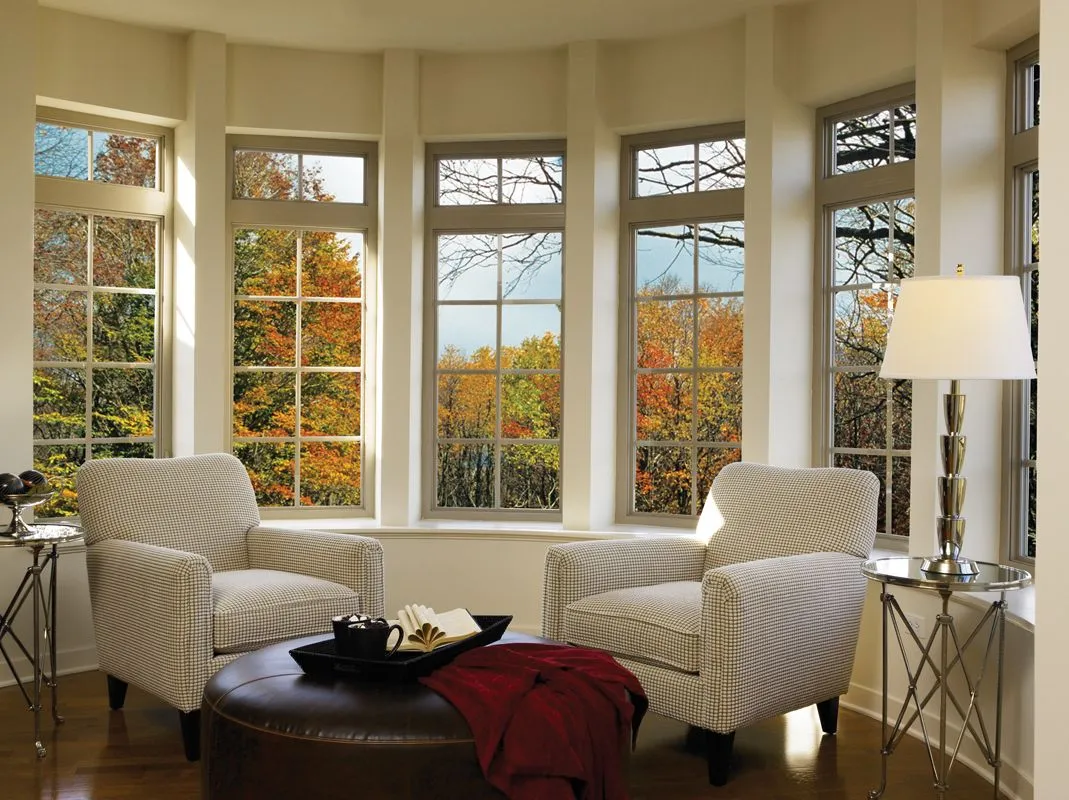
Vinyl Windows: Benefits, Costs, and Installation Guide
Comprehensive guide to vinyl windows including benefits, drawbacks, costs, energy efficiency, and installation. Learn why vinyl is the most popular window choice for Utah homes.

Alan Horne
Window and home improvement expert with deep knowledge of Utah's unique climate and residential needs.
"What do windows cost?" is the first question almost every homeowner asks, and it's the hardest one to answer over the phone. Two houses on the same Lehi street, built the same year by the same builder, can price out very differently — because cost follows the openings, not the address.
What we can do is show you exactly what moves the number, so when quotes land on your kitchen table you know what you're reading.
Every window replacement Utah quote is built from the same handful of variables:
| Cost driver | Why it matters |
|---|---|
| Number of openings | The single biggest factor. Crew time and material scale with count. |
| Window size | Large units cost more in glass, frame, and labor to set safely. |
| Window style | Fixed glass is simplest; operating and specialty shapes cost more. |
| Frame material | Vinyl, fiberglass, wood, and aluminum sit at different price points. |
| Glass package | Double vs. triple pane, low-E coatings, gas fill, tempered or obscure glass. |
| Installation method | Insert (retrofit) vs. full-frame replacement — a major swing. |
| Opening condition | Rot, failed flashing, or out-of-square framing adds carpentry. |
| Access | Second-story, steep grade, or tight side-yard work takes longer. |
| Code requirements | Egress sizing in bedrooms and tempered glass near doors, tubs, and stairs. |
Within the same product line and glass package, styles don't cost the same. Roughly, from most economical to most expensive:
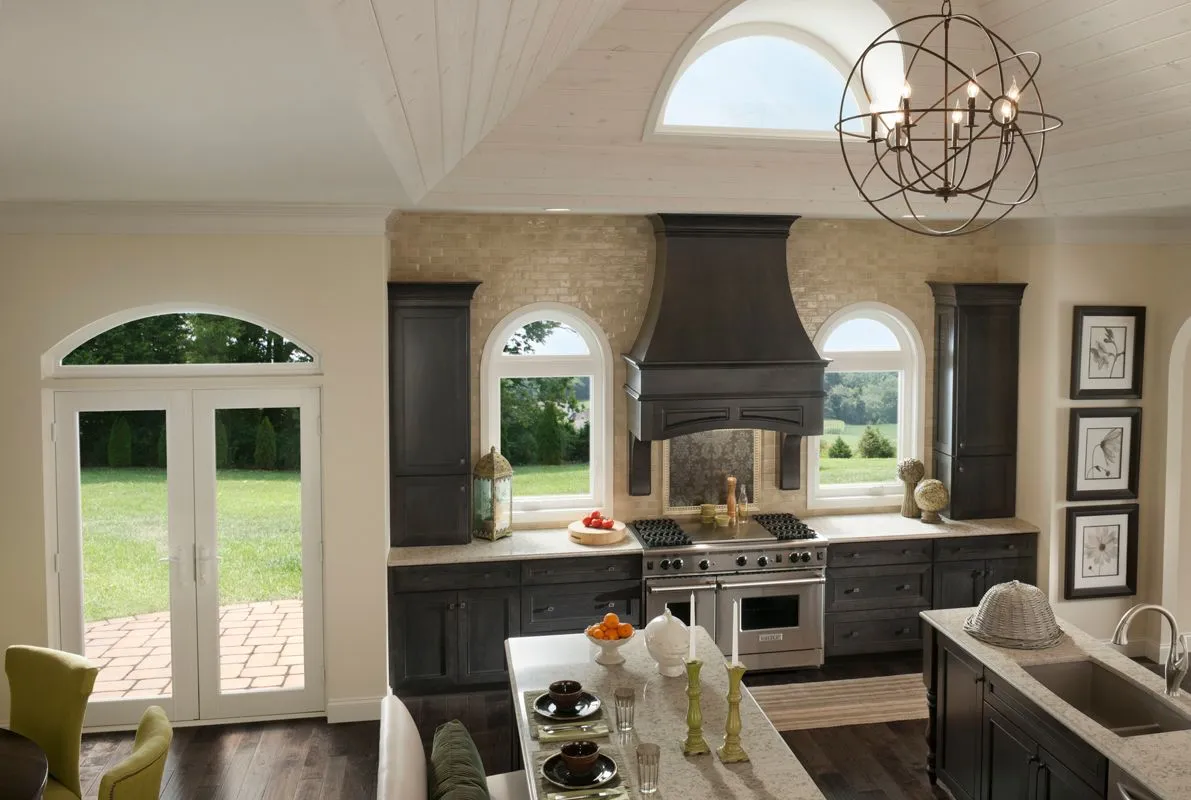
This is why swapping a picture window for a casement "while we're at it" changes the bid, and why a home full of arched transoms prices above a home full of sliders.
The installation method is often the difference between two quotes that look otherwise identical.
| Insert (retrofit) | Full-frame | |
|---|---|---|
| What's removed | Old sash; existing frame stays | Window, frame, and trim down to studs |
| Best when | Existing frame is square, dry, and sound | Rot, water damage, or you want a larger opening |
| Interior trim | Usually preserved | Typically replaced |
| Glass area | Slightly reduced | Maintained or increased |
| Relative cost | Lower | Higher |
| Timeline | Faster per opening | Longer per opening |
Neither is "better." A good installer looks at your actual framing and tells you which one your house needs — and says so if the honest answer is the cheaper one.
Replacement isn't always the right call. Window repair often makes sense when:
Replacing the whole house when three windows need service is the most common way homeowners overspend. The U.S. Department of Energy's guidance on updating versus replacing windows is worth reading before you commit either direction.
A few practical moves that keep the number manageable:
Ask every bidder for the same five things in writing:
A quote that's dramatically lower than the others is usually lower for a reason: a thinner glass package, an insert where full-frame was needed, or trim work left for you. Once the line items match, the comparison gets easy.
A real number requires a real measure. Openings get counted, sizes get recorded, framing gets checked, and the quote gets built from there. Any figure offered before that is a guess — and guesses have a way of growing once the crew opens the wall.

Utah Window Experts
520 Commerce Rd
Orem, UT 84058
Copyright 2026. Utah Window Experts. All Rights Reserved.