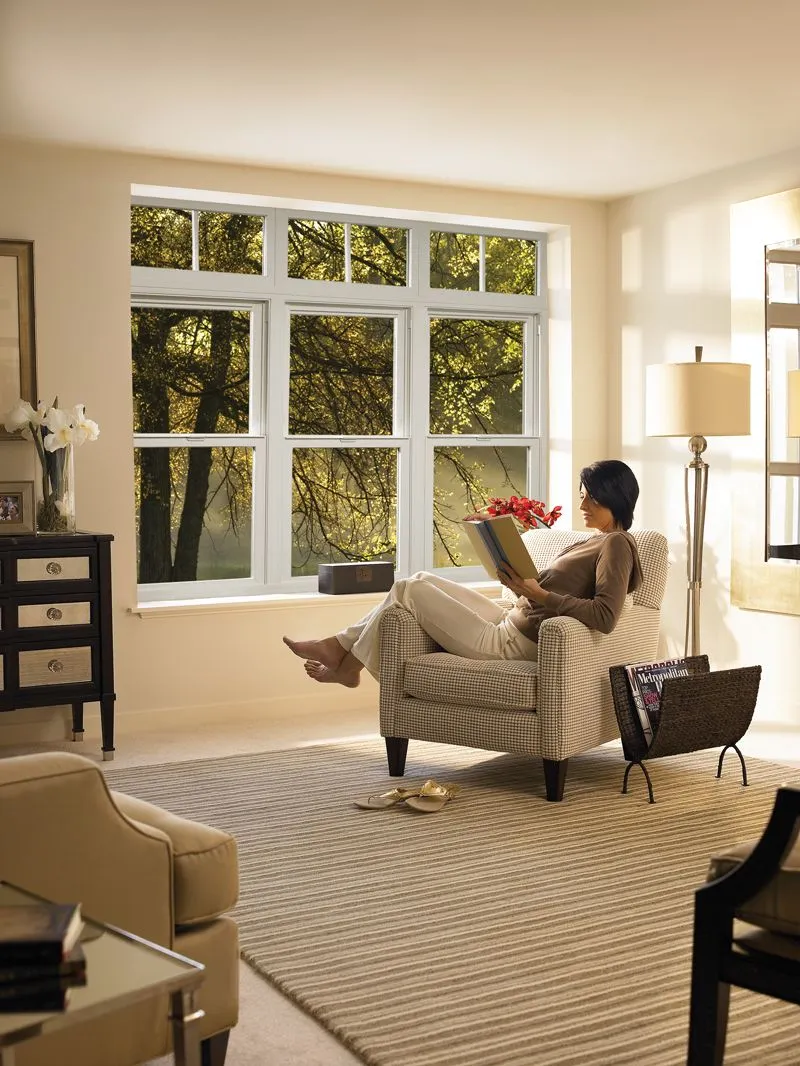
Window condensation occurs when warm, moist air meets cold window glass, causing water droplets to form. While condensation itself isn't inherently dangerous, frequent or severe condensation can indicate underlying moisture or insulation problems that may require attention — and in some cases, new windows. Understanding the causes of condensation and when it signals a need for window replacement helps you protect your home and maintain comfort.
What Causes Window Condensation
Window condensation happens when three conditions align: moisture in your home, temperature difference between inside and outside air, and cold glass surfaces. Several factors can trigger condensation:
Interior Moisture Sources
High humidity levels inside your home create condensation on windows. Common sources include cooking steam, shower humidity, humidifiers running continuously, wet laundry drying indoors, or simply too many people in a space generating moisture through breathing and perspiration.
Temperature Differences
The greater the temperature difference between inside and outside air, the more likely condensation forms. Single-pane windows conduct heat poorly, creating much colder interior glass surfaces. During winter or early morning hours when outdoor temperatures drop significantly, condensation is more likely.
Poor Ventilation
Homes that lack adequate air circulation trap humid air indoors. Modern homes sealed for energy efficiency sometimes lack sufficient ventilation, allowing humidity to accumulate. Bathrooms, kitchens, and laundry rooms are particularly prone to humidity buildup without proper ventilation.
Failing Window Seals
Double-pane windows contain argon gas between the panes to improve insulation. When the seals fail, air exchange allows moisture to enter between the panes, creating permanent condensation that cannot be wiped away.
The Difference Between Condensation Locations
Where condensation appears on your windows tells you important information about the underlying problem.
Condensation on the Interior (Inside)
Interior window condensation is the most common type and usually indicates high indoor humidity. This form is most common during winter, early mornings, or in bathrooms and kitchens. Interior condensation typically disappears as the day warms or after ventilation improves.
Condensation Between Window Panes
Moisture trapped between panes indicates seal failure on double-pane windows. This type of condensation cannot be wiped away and suggests your windows need replacement. It's a clear sign that the insulating seal is compromised, reducing your windows' energy efficiency.
Condensation on the Exterior (Outside)
Exterior condensation often occurs on highly efficient windows with excellent insulation. The glass stays so cold that outdoor moisture condenses on it. This type is normal, harmless, and usually disappears as the sun heats the glass. It actually indicates your windows are performing well by minimizing heat transfer.
When Window Condensation Requires Action
Most interior condensation doesn't require window replacement. However, certain situations warrant concern:
Persistent Interior Condensation
If your windows consistently show condensation despite ventilation efforts, your home may have excessive moisture problems. Continuous condensation can eventually damage window frames, sills, and surrounding walls, leading to rot and mold growth.
Condensation Between Panes
This always indicates seal failure and requires window replacement. The window's insulating properties are compromised, and moisture will continue accumulating.
Associated Damage
If you notice wood rot on frames, peeling paint, water staining, or mold growth around windows, condensation has likely caused damage. These signs indicate you need both moisture control and possibly new windows.
Aging Single-Pane Windows
Older single-pane windows are prone to condensation because their glass gets extremely cold. Upgrading to modern double-pane or triple-pane windows with Low-E coatings provides much better performance and reduces condensation risk.
Practical Solutions to Reduce Window Condensation
Before replacing windows, try these proven methods to reduce condensation:
Improve Ventilation
Use bathroom and kitchen exhaust fans during and for 20 minutes after showers or cooking. Open windows briefly on mild days to allow moisture to escape. Ensure dryer vents run directly outside, not into your living space.
Use Dehumidifiers
In chronically humid rooms, run a dehumidifier to maintain indoor humidity between 30-50%. This range balances comfort with condensation prevention. Whole-home dehumidifiers are available for homes with widespread humidity issues.
Reduce Moisture Sources
Avoid line-drying laundry indoors. Run your HVAC system's fan intermittently to circulate air. Crack bedroom windows at night during winter to reduce overnight humidity buildup. Consider reducing humidifier settings during winter.
Improve Insulation
Upgrading insulation in walls near windows can warm glass surfaces, reducing condensation. Adding storm windows or interior storm window panels provides extra insulation.
Thermal Window Upgrades
Installing window treatments like cellular shades with thermal properties can reduce condensation by maintaining warmer glass surfaces. These also improve overall window insulation.
Regular Maintenance
Clean window frames and tracks regularly to prevent rot from chronic moisture exposure. Caulk any gaps around window frames that allow air infiltration. Proper maintenance extends window life even if condensation occurs.
How Modern Windows Reduce Condensation
Today's window technology minimizes condensation through several innovations:
Thermal Breaks
Modern window frames include thermal breaks — materials that slow heat transfer — keeping frames warmer and reducing condensation risk on frame surfaces.
Low-E Coatings
Low-emissivity (Low-E) coatings reflect heat back into your home while blocking heat transfer outward. This keeps interior glass surfaces warmer, reducing condensation formation.
Improved Insulation
Double-pane and triple-pane windows with argon or krypton gas fill provide superior insulation compared to older single-pane models. Warmer interior glass surfaces mean less condensation.
Better Seals and Materials
Modern window construction uses advanced materials and superior sealing techniques. Milgard windows, for example, employ thermal technology that keeps interior glass surfaces warmer, significantly reducing condensation compared to standard windows.
Regional Considerations for Utah Homes
Utah's climate presents specific condensation challenges. Our cold winters create extreme temperature differences between inside and outside, promoting condensation. High elevation means lower outdoor temperatures, intensifying the effect. Additionally, many Utah homes use forced-air heating and dry air, but certain rooms like bathrooms and kitchens can still develop high humidity.
If you live in Salt Lake City, Ogden, Provo, or other Utah communities, winter condensation is common. Upgrading to modern high-efficiency windows significantly reduces seasonal condensation while improving heating efficiency. Utah Window Experts serves many areas across the state, helping homeowners upgrade to windows designed for our climate.
For homes in mountain communities like Draper or Logan with even colder winters, condensation risk increases. Investing in quality replacement windows reduces both condensation and heating costs significantly.
When to Replace Windows for Condensation Issues
Consider window replacement when:
Persistent Interior Condensation Despite Efforts
If you've implemented ventilation improvements and humidity control but condensation persists, aging windows may be the culprit. Replacement windows with better insulation perform substantially better.
Condensation Between Panes
This requires immediate replacement. The window seal has failed, and the window cannot be repaired — only replaced.
Visible Damage or Seal Failure
Signs of frame rot, peeling paint, water staining, or permanent condensation between panes all indicate replacement is necessary.
Single-Pane Windows
If your home still has original single-pane windows, replacement with modern double-pane windows dramatically improves performance and dramatically reduces condensation risk.
Planning Major Renovations
If you're already investing in home improvements, consider whether new windows would enhance your home's comfort and efficiency. Window replacement pays dividends in condensation reduction and energy savings.
The Financial Case for Replacement
Modern replacement windows cost more initially but provide long-term benefits:
- Reduced heating and cooling costs (typically 15-30% savings)
- Improved comfort from better temperature control
- Eliminated future seal failures and associated moisture damage
- Enhanced home value and aesthetics
- Reduced condensation and associated maintenance needs
Many homeowners recoup window replacement costs through energy savings within 7-15 years, depending on climate and window efficiency. For Utah homes, winter heating savings are particularly significant.
Professional Assessment
If you're unsure whether condensation indicates a problem requiring window replacement, a professional assessment can help. Window specialists can evaluate seal integrity, assess frame condition, and recommend whether maintenance, ventilation improvements, or replacement is most appropriate.
Conclusion
Window condensation is common and usually manageable through ventilation and humidity control. However, severe condensation, moisture between panes, or frame damage signals that window replacement may be necessary. Modern replacement windows with improved insulation, Low-E coatings, and thermal technology virtually eliminate condensation while significantly improving energy efficiency and home comfort.
If you're experiencing persistent window condensation or notice seal failures in your current windows, contact a local window professional for an assessment. For residents across Utah including service areas throughout the state, upgrading to quality replacement windows specifically designed for Utah's climate offers substantial benefits beyond condensation reduction — improved comfort, lower energy bills, and enhanced home value.
Ready to eliminate window condensation and upgrade to modern, efficient windows? Connect with experienced window replacement professionals in your area to explore your options and get a free quote.
For more information on window replacement decisions, read about signs your windows need replacement and how to choose energy-efficient windows.