Skylights bring natural light and a sense of openness to any room, transforming dark spaces into bright, welcoming areas. For homeowners seeking to enhance both the aesthetic appeal and functionality of their homes, skylights offer a unique solution that windows alone cannot provide. This comprehensive guide covers everything you need to know about skylights, from installation and types to maintenance and cost considerations, helping you make an informed decision about adding this valuable home improvement.
What Are Skylights?
Skylights are windows installed on your roof that allow natural light to pour into your home from above. Unlike traditional windows that provide views of the exterior landscape, skylights offer direct access to sunlight and sky views, creating a unique atmospheric quality in interior spaces.
Modern skylights serve several important purposes:
- Natural illumination - Reduces need for artificial lighting during daytime hours
- Solar heat gain - Passive heating from direct sunlight (beneficial in winter)
- Ventilation - Operable skylights allow heat and moisture to escape
- Aesthetic appeal - Creates visual interest and opens up interior spaces
- Energy savings - Reduces reliance on artificial lighting and HVAC systems
- Property value - Well-designed skylights increase home appeal and resale value
- Health benefits - Natural light improves mood and circadian rhythm
However, skylights also present challenges including potential heat loss, leaking risks, and installation complexity that must be carefully managed.
Types of Skylights
Different skylight designs serve different purposes and work better in specific applications. Understanding the options helps you select the right solution for your needs.
Fixed Skylights
Fixed skylights are stationary windows that don't open, providing permanent natural light without ventilation capabilities.
Characteristics:
- No moving parts or mechanical operation
- Sealed glass units installed at an angle
- Most economical skylight type
- Simple, reliable installation
- No maintenance requirements beyond cleaning
Advantages:
- Lowest cost option
- No mechanical failures
- Clean, minimal aesthetic appearance
- Excellent light transmission
- Works well for any climate
- Long lifespan (25-30+ years typical)
Disadvantages:
- No ventilation or operable function
- Can't release heat buildup
- Condensation may accumulate
- Limited flexibility in design
Best for: Kitchens, bathrooms, hallways, or any space where natural light is the primary goal
Cost: $500-1,500 per skylight installed, depending on size and location
Vented/Operable Skylights
Vented skylights open manually or with motorized operation, allowing ventilation and heat escape.
Characteristics:
- Hinged or geared opening mechanism
- Can be opened fully or partially
- Manual or motorized operation options
- Dual functionality (light and ventilation)
- Typically thermal insulated frames
Advantages:
- Provides ventilation and heat release
- Reduces moisture and humidity
- Better climate control flexibility
- Manual option requires no electricity
- Motorized option adds convenience
- Excellent for attics and upper-floor rooms
Disadvantages:
- More expensive than fixed skylights
- Mechanical components require maintenance
- Potential for mechanical failure
- More complex installation
- Motorized versions need electrical wiring
Best for: Attics, upper-floor bedrooms, bathrooms, kitchens where ventilation is important
Cost: $1,000-3,000 per skylight installed
Tubular Skylights (Solar Tubes)
Tubular skylights use reflective tubes to channel sunlight from roof to interior, providing light without a large roof opening.
Characteristics:
- Small roof opening (10-14 inches typical)
- Flexible or rigid reflective tube runs through roof cavity
- Diffuser panel at ceiling for light distribution
- Compact design ideal for tight spaces
- Minimal structural impact
Advantages:
- Minimal roof opening reduces leak risk
- Works in tight spaces (small closets, bathrooms)
- Minimal structural changes needed
- Lower installation cost than traditional skylights
- Very low maintenance
- No heat loss from large opening
- Excellent for rooms without attic access
Disadvantages:
- Limited light output compared to full-size skylights
- Can't provide ventilation
- Reflective tube may reduce light transmission
- Limited view of sky
- Less dramatic lighting effect
Best for: Small bathrooms, closets, hallways, basement spaces where full-size skylights aren't feasible
Cost: $400-1,200 per unit installed
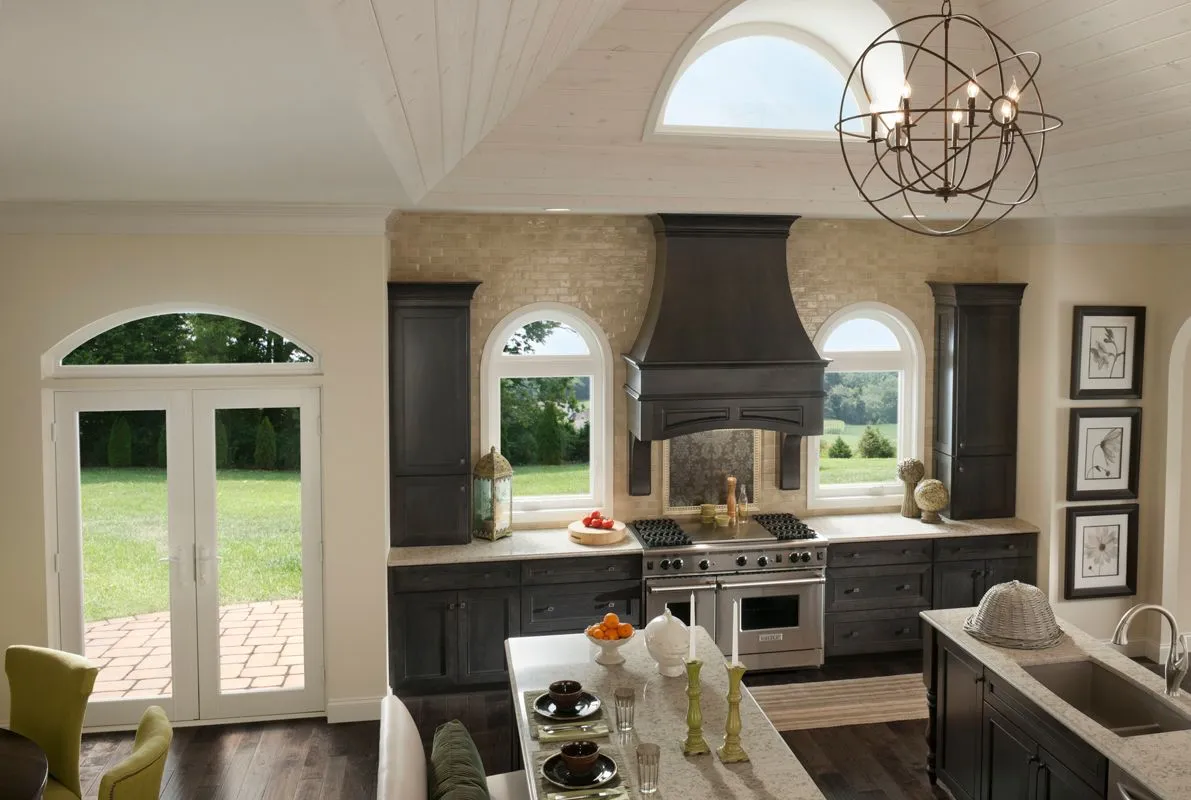
Curved Glass Skylights
Curved or domed skylights create a distinctive architectural statement with their rounded design.
Characteristics:
- Curved or dome-shaped glass panels
- Creates distinctive visual appearance
- Typically available as fixed or vented
- Available in single or double-skin configurations
- Modern and traditional style options
Advantages:
- Distinctive architectural element
- Excellent light distribution
- Visually interesting from interior
- Modern or transitional home appeal
- Available in various sizes and shapes
- Double-skin options improve insulation
Disadvantages:
- More expensive than flat skylights
- Specialty panels may be harder to replace
- More obvious appearance (some prefer subtle design)
- Potential for increased glare
- Higher installation complexity
Best for: Great rooms, living areas, any space where skylights are a design feature
Cost: $1,500-4,000+ per skylight installed
Skylights with Built-in Blinds or Shades
Modern skylights integrate blinds or shades into the skylight assembly for light and heat control.
Characteristics:
- Blinds or cellular shades integrated into skylight frame
- Manual or motorized operation
- Improves energy efficiency significantly
- Provides light and privacy control
- Premium skylight option
Advantages:
- Excellent heat control
- Light filtering reduces glare
- Privacy when needed
- No separate shade installation required
- Motorized options integrate with smart home systems
- Can be closed to prevent heat loss at night
Disadvantages:
- Significantly higher cost
- More complex maintenance
- Potential mechanical failure of shade mechanism
- Professional cleaning more expensive
Best for: Bedrooms, master bathrooms, any area where light control is important
Cost: $2,000-5,000+ per skylight installed
Skylight Materials and Glass Options
The glass and frame materials significantly affect skylight performance, durability, and efficiency.
Frame Materials
Aluminum Frames:
- Lightweight and durable
- Prone to thermal bridging (heat loss)
- Lower cost option
- Requires thermal breaks for modern efficiency
Vinyl Frames:
- Excellent insulation value
- Lower thermal bridging
- More expensive than aluminum
- Resists moisture better
- Increasingly popular for replacement skylights
Wood Frames:
- Traditional, attractive appearance
- Requires regular maintenance and painting
- Better insulation than aluminum
- Can be damaged by moisture and rot
- Higher maintenance cost
Glass Types
Single-Pane Glass:
- Basic, least expensive option
- Poor insulation value (R-value ~1)
- Significant heat loss and gain
- Higher condensation risk
- Not recommended for modern homes
Double-Pane/Insulated Glass:
- Standard for new skylights
- Better thermal performance (R-value 3-4)
- Reduces condensation
- Better sound insulation
- Widely available and cost-effective
Triple-Pane/High-Performance Glass:
- Premium option for maximum insulation
- Superior thermal performance (R-value 5-6)
- Excellent for cold climates
- Minimizes condensation
- Higher cost but energy savings justify investment
Low-E Coated Glass:
- Invisible coating that reflects heat
- Reduces heat gain in summer
- Prevents heat loss in winter
- Reduces UV fading
- Available with single, double, or triple-pane
- Recommended for all modern skylights
Tempered Glass:
- Safety feature
- 4-5 times stronger than annealed glass
- Required by code in some jurisdictions
- Shatters into small, rounded pieces if broken
- Slightly reduces light transmission
Tinted or Reflective Glass:
- Reduces glare and heat gain
- Privacy option in upper-floor applications
- Reduces visible light by 20-50%
- More expensive option
- Visible appearance differs from clear glass
Skylight Installation
Professional installation is critical for skylight performance and preventing leaks. Understanding the installation process helps you evaluate contractor work.
Pre-Installation Planning
Site evaluation:
- Determine optimal location based on sun path and room use
- Check roof pitch and structural integrity
- Verify rafter spacing and no obstructions
- Plan for proper flashing and waterproofing
- Consider interior ceiling configuration
- Assess attic ventilation impact
Sizing considerations:
- Room size typically determines skylight size
- Larger rooms need larger skylights for proportional light
- Rules of thumb suggest 5-15% of floor area for skylights
- Multiple smaller skylights often better than one large one
- Consider future landscape and shade changes
Seasonal sun path:
- North-facing skylights provide consistent, indirect light
- South-facing skylights provide maximum light (heat gain in summer)
- East-facing skylights provide morning light
- West-facing skylights provide afternoon light with heat gain
Installation Process
Professional installation steps:
- Roof preparation - Cut opening in roof decking per skylight specifications
- Structural reinforcement - Install headers and support framing as needed
- Flashing installation - Install proper flashing to direct water away from opening
- Roofing removal - Remove roofing material around opening for proper flashing fit
- Flashing sealing - Apply ice and water shield, roofing cement, and sealant
- Skylight installation - Secure skylight frame to framing
- Roofing replacement - Reinstall roofing material over flashing and skylight edges
- Interior finishing - Install drywall, insulation, and interior trim (if needed)
- Caulking and weatherproofing - Complete all sealing and weatherproofing
- Testing - Verify no leaks with water testing in some cases
DIY vs. Professional Installation
Professional installation is strongly recommended because:
- Roofing work requires experience to prevent leaks
- Flashing installation is critical for waterproofing
- Building codes vary by location
- Improper installation voids warranties
- Roof safety requires proper equipment and training
Professional installation costs typically range $1,500-3,000 per skylight, but prevents costly water damage.
Skylight Benefits and Advantages
Skylights offer numerous benefits that go beyond simple aesthetic appeal.
Energy Efficiency Benefits
Natural lighting reduces artificial lighting needs:
- Reduces daytime electric usage by 10-20% in well-designed installations
- LED lighting in skylights with sensors further optimizes efficiency
- Passive solar heating reduces heating costs in winter
- Summer heat can be managed with proper shading or ventilation
- Building science shows skylights improve overall HVAC efficiency
Cost savings potential:
- Average household saves $20-40 monthly with strategic skylights
- Savings depend on climate, size, and orientation
- Payback period typically 8-15 years through energy savings
- Tax credits may be available for energy-efficient skylights (check local incentives)
Property Value and Aesthetic Benefits
Increases home appeal:
- Skylights are highly valued by homebuyers
- Studies show homes with skylights appeal to 25-30% more buyers
- Natural light improves perceived spaciousness
- Creates distinctive architectural elements
- Increases perceived luxury and quality
Potential value increase:
- Well-designed skylights add $2,000-15,000 to home value
- Return on investment typically 50-80% (varies by market)
- Value increase varies with quality and placement
- Energy-efficient skylights command premium pricing
Health and Wellness Benefits
Natural light provides numerous health benefits:
- Regulates circadian rhythm and sleep quality
- Improves mood and reduces seasonal depression
- Enhances productivity and focus
- Vitamin D production from natural light exposure
- Reduces stress and improves mental health
- Better for visual comfort than artificial lighting alone
Skylight Maintenance and Care
Proper maintenance keeps skylights functional and prevents problems.
Regular Cleaning
Frequency:
- Clean skylights at least twice yearly (spring and fall)
- More frequent cleaning in dusty or coastal areas
- Interior cleaning more important than exterior
- Clean after storms to remove debris
Interior cleaning:
- Use soft brush or cloth to remove dust
- Wipe with slightly dampened microfiber cloth
- Use vinegar solution for streaks (1:1 vinegar to water)
- Dry thoroughly to prevent water spots
- Clean diffusers and interior surfaces
Exterior cleaning:
- Gentle rinsing with low-pressure water from ground level
- Never climb on roof to clean skylights
- Avoid harsh chemicals that damage sealant
- Hire professionals for hard-to-reach roof locations
- Regular cleaning prevents algae and debris accumulation
Seasonal Maintenance
Spring:
- Inspect exterior for winter damage
- Clean thoroughly after spring storms
- Check seals for gaps or separation
- Test operable skylights for smooth operation
- Inspect roof around skylight for damage
Summer:
- Monitor for excessive heat buildup
- Ensure shades or blinds operate properly
- Keep skylights clean for maximum light
- Check roof condition in surrounding areas
Fall:
- Deep clean before winter
- Remove leaves and debris from roof area
- Inspect seals before weather changes
- Test operable skylights before cold weather
- Check for any damage during fall storms
Winter:
- Monitor for condensation (normal but excessive indicates problems)
- Clear ice or snow from skylight exterior safely
- Check interior for water stains or leaks
- Test operation if motorized
- Ensure attic ventilation isn't obstructed
Common Skylight Problems and Solutions
Condensation:
- Cause: Temperature difference between interior and exterior
- Solution: Improve attic ventilation, ensure proper installation with insulation
- Prevention: Use operable skylights to vent moisture, install with thermal breaks
Leaks:
- Cause: Failed flashing, poor installation, storm damage
- Solution: Call professional roofer immediately for inspection
- Prevention: Professional installation, regular inspection, proper maintenance
Operable skylight won't open/close:
- Cause: Mechanical failure, misalignment, debris
- Solution: Clean tracks, lubricate hinges, call professional if mechanical failure
- Prevention: Keep clean, operate regularly, professional maintenance
Excessive heat or cold:
- Cause: Poor glass insulation, inadequate shading
- Solution: Install cellular shades or reflective film, improve framing insulation
- Prevention: Select high-performance glass, plan for seasonal sun orientation
Exterior discoloration:
- Cause: Algae, mineral deposits, or weathering
- Solution: Professional cleaning with appropriate solutions
- Prevention: Regular cleaning, roof maintenance
Motor failure (motorized skylights):
- Cause: Electrical failure, age, water intrusion
- Solution: Professional repair or replacement of motor assembly
- Prevention: Regular inspection, ensure proper waterproofing
Skylight Cost Considerations
Understanding the full cost picture helps with budgeting decisions.
Installation Costs Breakdown
Fixed skylights:
- Material cost: $300-800 per unit
- Installation labor: $1,000-2,000 per skylight
- Flashing and sealing: $200-500
- Interior finishing: $200-1,000
- Total typical range: $1,700-4,300 per skylight
Vented/operable skylights:
- Material cost: $600-1,800 per unit
- Installation labor: $1,200-2,500 per skylight
- Flashing and sealing: $300-600
- Interior finishing: $200-1,000
- Total typical range: $2,300-6,000 per skylight
Tubular skylights:
- Material cost: $200-400 per unit
- Installation labor: $400-1,000 per unit
- Total typical range: $600-1,400 per unit
Ongoing Costs
Maintenance:
- Professional cleaning: $150-300 per skylight annually
- DIY maintenance: minimal cost, requires time
- Minor repairs: $100-500 depending on issue
- Shade/blind replacement: $300-1,000 if integrated
Energy:
- High-performance skylights reduce cooling/heating costs
- Potential savings: $20-60 monthly depending on orientation
- Added lighting in dark areas may increase evening electricity slightly
- Net effect typically savings in most climates
Return on Investment
Payback analysis:
- Energy savings provide 10-20 year payback period
- Home value increase provides faster payback (50-80% ROI)
- Combined factors typically result in 5-10 year break-even
- Long-term value increase and energy savings continue indefinitely
When skylights make financial sense:
- Planning to stay in home 7+ years
- Trying to increase home value for sale
- Want improved natural lighting quality
- Located in sunny climate
- Willing to invest in quality installation
Troubleshooting Guide
Skylights provide insufficient light:
- Verify skylight is properly sized for space
- Check for excessive roof overhang
- Consider neighboring trees blocking light
- Ensure glass isn't heavily tinted
- May need additional skylights for larger spaces
Skylights provide excessive heat:
- Install cellular shades or reflective film
- Increase attic ventilation
- Ensure operable skylights are used to vent heat
- Plant deciduous trees on south/west side for summer shade
- Consider low-E coatings for new skylights
Visible condensation on interior:
- Ensure attic ventilation is adequate
- Verify insulation installed properly around skylight
- Improve overall home ventilation
- Use operable skylights to release moisture
- Consider upgrading to higher-performance glass
Difficulty operating motorized skylight:
- Check batteries in remote control (if applicable)
- Inspect for debris in opening mechanism
- Ensure power supply to motor is working
- Call professional if mechanical failure suspected
FAQ
Q: Are skylights worth the investment?
A: Yes, if planned properly. Skylights provide energy savings, health benefits, and typically increase home value by 50-80% of installation cost. Break-even typically occurs within 7-10 years.
Q: How long do skylights last?
A: Fixed skylights typically last 25-30+ years. Vented skylights last 20-25 years due to mechanical components. Proper installation and maintenance significantly extend lifespan.
Q: Can I install a skylight myself?
A: Not recommended. Roofing work requires specialized knowledge to prevent leaks. Professional installation is critical for warranty validity and preventing costly water damage.
Q: Will skylights leak?
A: Professionally installed skylights with proper flashing rarely leak. Most leaks result from poor installation or failed maintenance. High-quality flashing and installation prevent 99% of leak issues.
Q: Are skylights bad for energy efficiency?
A: Modern insulated skylights improve energy efficiency through natural lighting and passive solar heating (in winter). Proper orientation and shading controls heat gain in summer.
Q: How much natural light will a skylight provide?
A: A single skylight typically illuminates a 100-200 sq. ft. area depending on size and orientation. Exact performance depends on roof pitch, attic configuration, and seasonal sun angle.
Q: Can I add skylights to an existing roof?
A: Yes, skylights can be retrofitted to existing homes. Installation is more complex than new construction but still very feasible. Ensure roof structure is sound before installation.
Q: Do skylights help with heating costs in winter?
A: Yes, south-facing skylights provide significant passive solar heating, reducing heating costs. North-facing skylights don't provide heat gain but offer consistent, indirect light.
Q: Should I choose fixed or operable skylights?
A: Fixed skylights are most economical and reliable. Operable skylights provide ventilation benefits and improved heat control. Choice depends on budget and whether ventilation is needed.
Q: How do I prevent excessive heat with skylights?
A: Install cellular shades or reflective film, orient appropriately (avoid west-facing in hot climates), ensure adequate attic ventilation, and consider high-performance glass options.
Bring Natural Light Into Your Home
Skylights transform living spaces by introducing natural light, improving health and wellness, and increasing property value. Whether you choose fixed skylights for pure aesthetics or vented options for ventilation benefits, proper installation and maintenance ensure decades of performance and enjoyment.
The key to successful skylights is professional installation, quality materials, and appropriate sizing for your space. When installed correctly, skylights provide an excellent return on investment through both energy savings and enhanced home value, while creating beautiful, naturally lit spaces that improve daily living quality.
Ready to brighten your home with skylights? Contact a qualified skylight installer in your area to assess your home's potential for this transformative home improvement. Proper planning, quality installation, and regular maintenance will keep your skylights performing perfectly for years to come.