
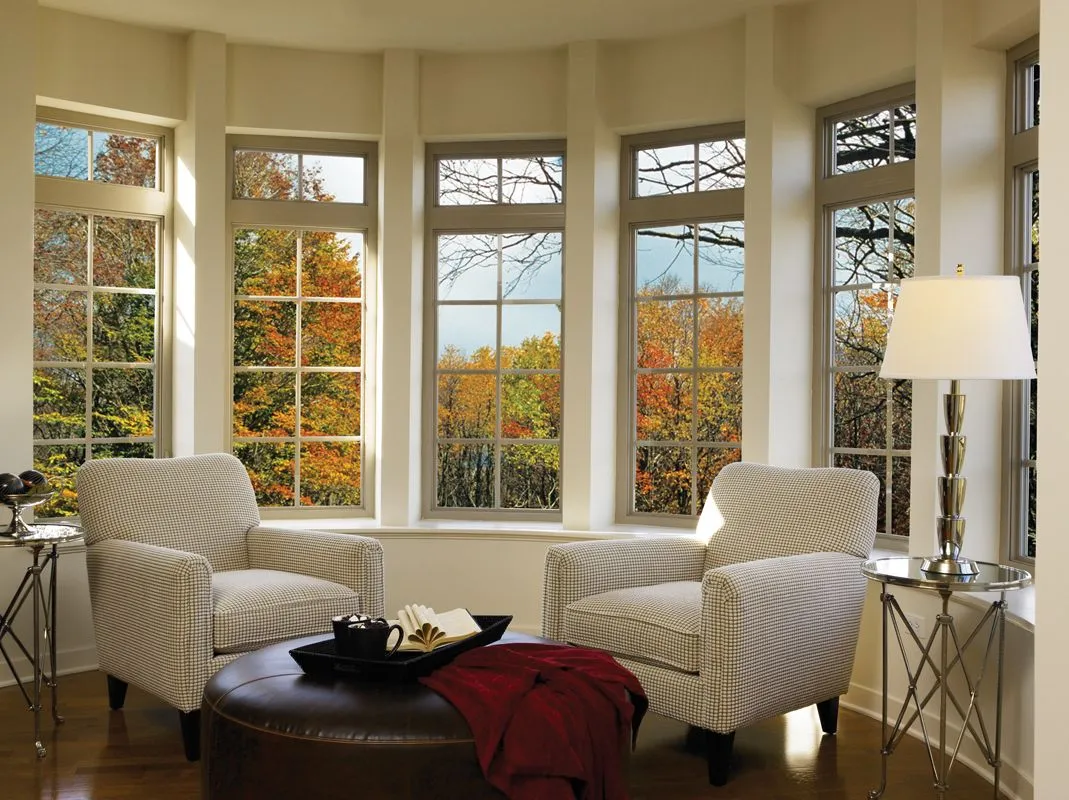
Vinyl Windows: Benefits, Costs, and Installation Guide
Comprehensive guide to vinyl windows including benefits, drawbacks, costs, energy efficiency, and installation. Learn why vinyl is the most popular window choice for Utah homes.

Alan Horne
Window and home improvement expert with deep knowledge of Utah's unique climate and residential needs.
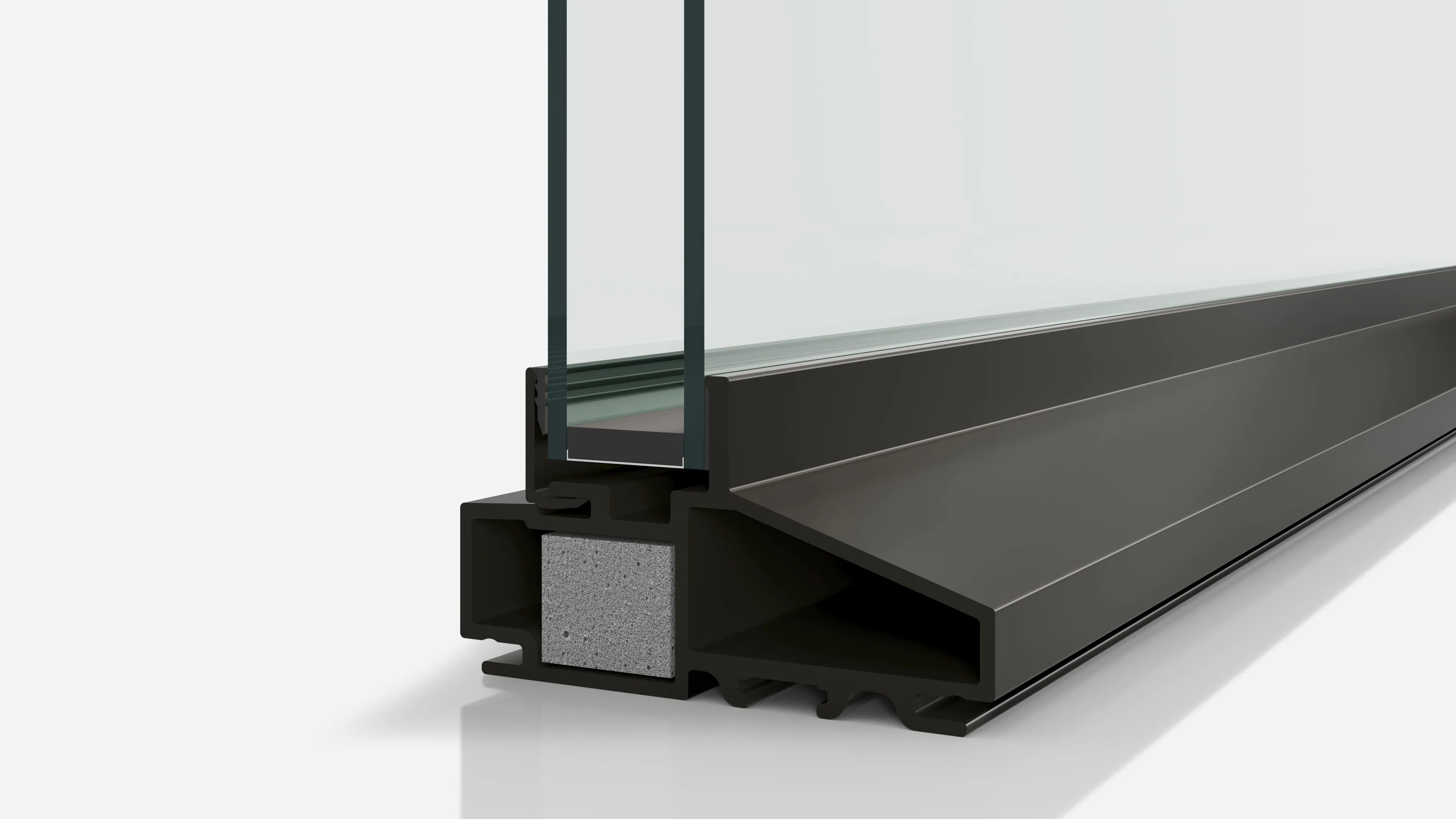
One of the most common questions homeowners ask before investing in window replacement is simple but critical: "Will this investment pay off?" The answer is reassuringly positive. New windows represent one of the most intelligent home improvement investments you can make, delivering substantial returns that extend far beyond simple energy savings. Understanding how new windows add value to your home helps you make a financially sound decision while improving your living environment.
According to the National Association of Realtors, homeowners typically recover 70-80% of their window replacement investment through increased home value at resale. For a typical window replacement project costing $10,000-$15,000, this translates to adding $7,000-$12,000 to your home's market value. But this is just the baseline—the actual benefits extend well beyond this calculation.
The moment new windows are installed, your home's assessed value increases. Real estate appraisers recognize quality windows as a major upgrade that positively impacts property valuation. Unlike some renovations that fade in appeal over time, new windows represent permanent improvements that maintain their value.
A home with modern, energy-efficient windows commands a premium in the real estate market. Homes featuring new windows typically sell faster and at higher prices than comparable homes with older windows—sometimes 5-10% higher depending on market conditions and window quality.
New windows reduce your heating and cooling costs significantly, with homeowners reporting 15-30% reductions in energy bills annually. In colder climates like Utah, where winter heating demands are substantial, this savings becomes even more pronounced.
Over a 20-year period, the cumulative energy savings can exceed the initial investment cost. A family spending $2,000 annually on heating and cooling who reduces that by 20% saves $400 per year—totaling $8,000 over 20 years on a $12,000 investment. When combined with resale value increases, the financial picture becomes even more compelling.
Don't overlook available energy tax credits. Many states and the federal government offer incentives for installing energy-efficient windows. These credits can reduce your net investment by hundreds or even thousands of dollars, improving your overall ROI significantly. Check current eligibility for windows that qualify for energy tax credits in your area.
While not directly adding dollar value, the quality-of-life improvements from new windows create their own kind of return. Consider these tangible benefits:
Temperature Control: Modern windows with advanced thermal technology maintain consistent indoor temperatures, eliminating hot and cold spots. You'll notice the difference immediately, especially near windows.
Noise Reduction: New windows with laminated glass and superior sealing significantly reduce outside noise. Homes near traffic, airports, or in busy urban areas benefit dramatically from this upgrade.
Reduced Condensation: Older windows frequently develop condensation during cold weather, indicating heat loss and moisture problems. New double and triple-pane windows virtually eliminate this issue.
Enhanced Natural Light: Newer window designs maximize glass area while minimizing frame size, allowing more natural light into your living spaces. This improves mood, reduces artificial lighting needs, and creates a brighter, more inviting home.
Your home's exterior appearance is the first thing potential buyers see. Weathered, outdated windows significantly diminish curb appeal, while beautiful new windows transform your home's appearance immediately.
New windows come in countless styles—from traditional double-hung to contemporary minimalist frames—allowing you to enhance architectural style. Color options, frame materials, and glass patterns let you customize your home's appearance. This aesthetic improvement translates directly into buyer perception and willingness to pay premium prices.
New windows provide superior protection against the elements. Modern windows feature:
These protective features prevent costly damage repairs while extending the structural integrity of your home. Preventing water damage, mold growth, and structural issues represents significant financial protection beyond the windows themselves.
Today's quality replacement windows require virtually no maintenance compared to older windows. Vinyl and fiberglass frames never need painting, wood windows are protected with superior finishes, and glass stays clearer longer with advanced coatings.
This reduced maintenance translates to ongoing savings in time and money. Older windows require regular repainting, caulking, and repairs. New windows simply perform reliably for 20-30+ years with minimal attention. This durability factor is particularly attractive to future buyers who recognize that new windows mean years of worry-free performance.
The value new windows add depends partly on your local real estate market:
High-Demand Markets: In areas where homes compete intensively for buyers, updated windows become a decisive factor. Buyers actively seeking move-in-ready homes will pay premium prices for properties with new windows.
Extreme Climate Markets: In regions with harsh winters, hot summers, or significant weather events, energy-efficient and impact-resistant windows command higher values. Utah's temperature extremes and hail risk make window upgrades particularly valuable.
Historic Neighborhoods: Renovation-focused communities often see higher ROI for quality window replacements that maintain architectural character.
Many homeowners delay window replacement due to upfront costs, but financing options can actually improve your ROI:
By financing your upgrade, you gain immediate benefits while spreading costs over time. Your monthly energy savings often offset financing costs.
Some insurance companies offer discounts for homes with impact-resistant windows. In areas prone to storms and hail, new window installations can qualify for meaningful premium reductions. Over a multi-year period, these insurance savings add up significantly.
The ROI calculation becomes more compelling the longer you plan to stay in your home. If you're remaining for 10+ years, the energy savings alone justify the investment. Even if you're planning to sell within 5 years, the resale value premium typically covers the majority of your investment.
Compare this to other home improvements with lower ROI: kitchen remodels typically return 50-60%, bathroom renovations return 50-65%, but window replacement consistently delivers 70-80%+ returns.
To maximize the value new windows add to your home:
Learn more about choosing the right replacement windows for maximum value and performance.
How long does it take to see ROI from new windows? Energy savings typically offset a portion of costs within 5-7 years. Resale value benefits are immediate. Combined returns accelerate payback significantly.
Do all window types add equal value? No. Energy-efficient, quality windows add more value than basic alternatives. Premium materials command higher resale premiums than budget options.
Can new windows reduce my insurance costs? Yes. Impact-resistant windows sometimes qualify for insurance discounts, particularly in areas prone to storms, hail, or hurricanes.
What's the difference in ROI between vinyl and fiberglass windows? Fiberglass windows typically command slightly higher resale premiums but cost more upfront. Both offer excellent ROI through energy efficiency and durability. The financial difference is usually minimal.
Should I wait for a better time to replace windows? The longer you delay, the more energy is wasted and the more maintenance older windows require. Earlier replacement typically produces better long-term financial returns through accumulated energy savings.
Your window replacement investment offers rare combinations: immediate aesthetic improvements, measurable ongoing savings, significant resale value increases, and enhanced quality of life. These factors working together make window replacement one of the smartest investments available to homeowners. Explore how to choose energy efficient windows to start maximizing your return today.

Utah Window Experts
520 Commerce Rd
Orem, UT 84058
Copyright 2026. Utah Window Experts. All Rights Reserved.