Awning windows offer a unique combination of ventilation, weather protection, and contemporary aesthetics that appeal to homeowners looking for modern window solutions. Unlike traditional sliding or double-hung windows, awning windows pivot from a horizontal hinge at the top, allowing the sash to open upward and outward like an awning. This distinctive design provides significant advantages for homes in various climates, particularly in regions with unpredictable weather patterns. Whether you're considering a window replacement or designing a new addition, understanding awning windows will help you make an informed decision.
What Are Awning Windows?
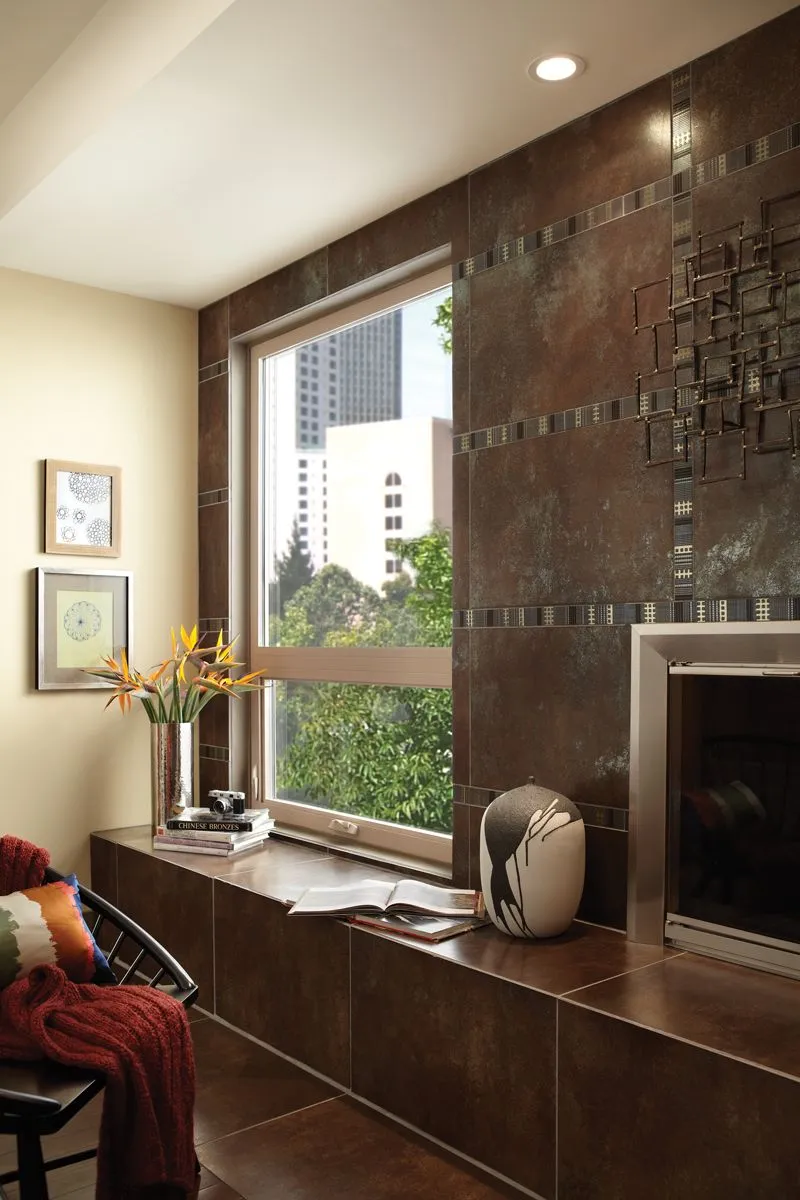
Awning windows are horizontal windows that open outward from the bottom on a pivot hinge located at the top of the frame. The sash tilts upward and outward, creating a canopy-like projection that shelters the window opening. This unique design combines the ventilation benefits of open windows with the weather protection of a fixed window.
Key characteristics:
- Horizontal orientation (wider than tall)
- Top-hinged pivot mechanism
- Opens upward at approximately 45 degrees
- Operates via a crank handle mechanism
- Can be installed individually or stacked in pairs
Advantages of Awning Windows
Awning windows provide numerous benefits that make them an excellent choice for many homeowners and applications.
Weather Protection
The most distinctive advantage of awning windows is their built-in weather protection. When open, the protruding sash creates a natural awning that shields the window opening from rain, snow, and direct sunlight. This means you can safely leave awning windows open during light rain without worrying about water entering your home. This feature is invaluable in unpredictable climates like Utah's, where sudden storms can occur during any season.
Enhanced Ventilation
Awning windows excel at promoting natural air circulation throughout your home. When opened, the angled design creates an air scoop effect that directs fresh air into the room. This is particularly effective for basement windows, bathroom windows, or any room where you want improved ventilation without installing a mechanical system. The combination of multiple awning windows can create cross-ventilation patterns that improve indoor air quality naturally.
Increased Security
The top-hinge design of awning windows offers inherent security benefits. Unlike windows that open to the side or bottom, awning windows can be left partially or fully open without creating a large access point. The hinged, angled opening makes it extremely difficult for intruders to enter through the window, even when it's open. This makes awning windows an excellent choice for ground-floor rooms, basement windows, or homes in areas where security is a concern.
Contemporary Aesthetics
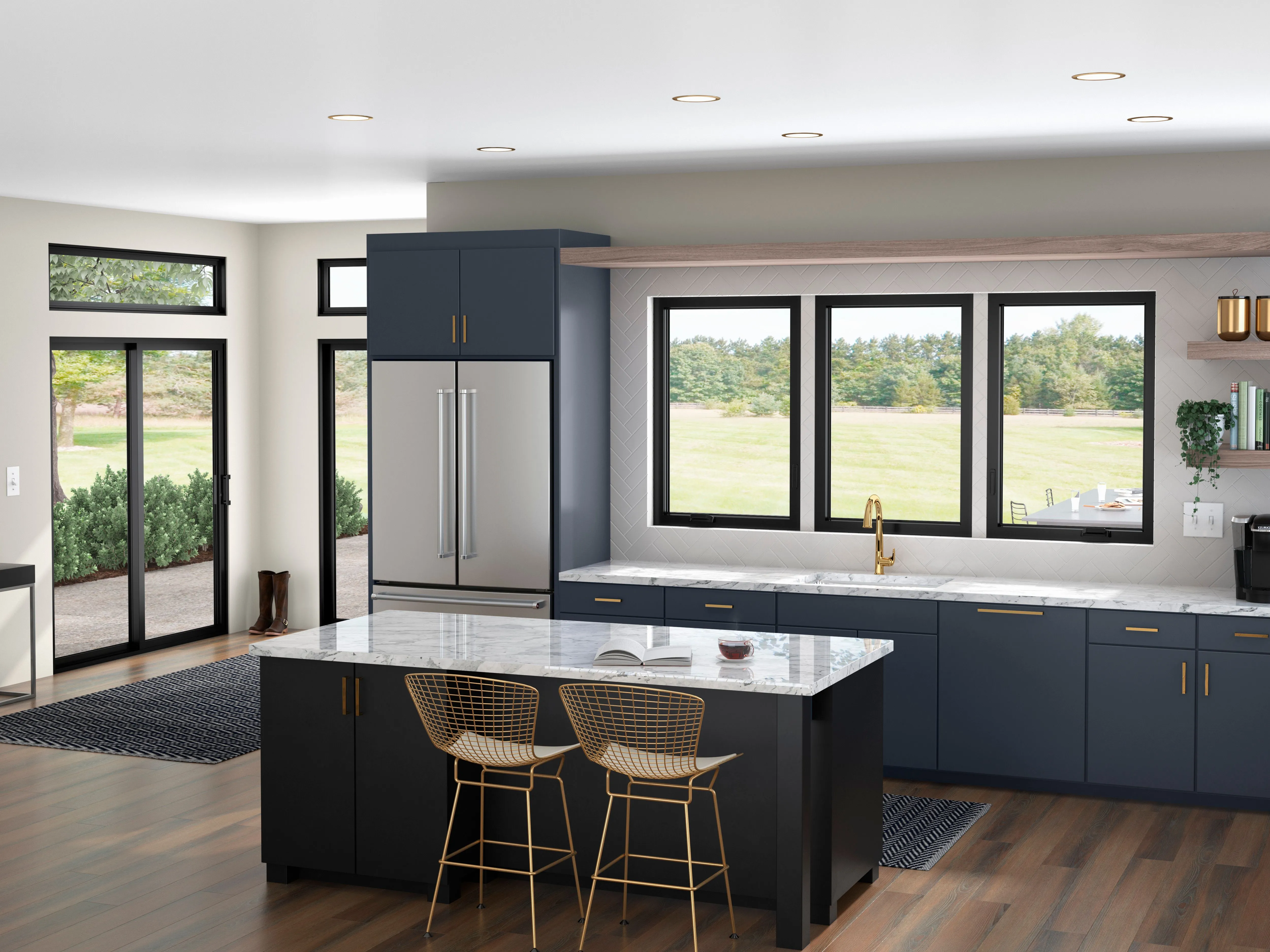
Awning windows offer a modern, streamlined appearance that complements contemporary and transitional home designs. Their horizontal orientation and clean lines create a stylish look that distinguishes them from traditional window styles. They work particularly well in modern minimalist designs and mid-century modern homes, adding visual interest to facades.
Space Efficiency
The outward-opening design of awning windows doesn't consume interior space like some other window styles. Unlike casement windows that swing inward, awning windows project outward, making them ideal for spaces with limited interior clearance. This makes them perfect for kitchens with counters beneath windows, bathrooms with limited space, or basements where interior space is at a premium.
Excellent Energy Efficiency
When properly manufactured with modern technology, awning windows achieve excellent energy efficiency ratings. The tight seal created by the hinge mechanism, combined with multi-pane glass and low-E coatings, helps minimize heat transfer. The awning projection also reduces direct sun exposure in summer, decreasing cooling loads. During winter, when closed, the frame design prevents air infiltration.
Disadvantages and Limitations
While awning windows offer many benefits, understanding their limitations helps ensure they're the right choice for your project.
Limited Viewing Area
Awning windows are designed horizontally, limiting the vertical viewing area compared to tall windows like double-hung or casement styles. If maximizing views is important, awning windows may not be the best choice for primary living spaces. However, they work well as supplementary windows or in high locations where the view isn't critical.
Installation Height Considerations
Awning windows are typically installed higher on walls, either as single units in upper portions of walls or stacked with other window styles. They work best when positioned above eye level, which limits their flexibility in design. Some homeowners feel they don't work well as primary windows in living rooms where they'd normally sit at standard heights.
Cleaning Difficulty
The outward-opening design means the exterior surface faces away when open, making exterior cleaning more challenging than traditional windows. You'll still need to access the exterior for thorough cleaning. For upper-floor installations, this can be inconvenient and potentially unsafe.
Limited Design Flexibility
Awning windows work best in specific applications and aren't suitable for all design scenarios. They don't provide the traditional look of double-hung windows and may appear out of place in classic or historical home designs. Mixing them with traditional window styles requires careful planning.
Higher Initial Cost
Quality awning windows with modern hardware and energy-efficient glazing typically cost more than basic double-hung windows of similar size. The specialized hardware and manufacturing process add to the price.
Awning Window Costs
Awning window pricing varies based on several factors, including size, materials, glazing options, and installation location.
Material and Framing Costs
Vinyl Awning Windows:
- Small (24" x 36"): $150-$250 per window
- Medium (36" x 48"): $200-$350 per window
- Large (48" x 60"): $300-$500 per window
Fiberglass Awning Windows:
- Small: $250-$400 per window
- Medium: $350-$550 per window
- Large: $500-$800 per window
Wood Awning Windows:
- Small: $300-$500 per window
- Medium: $400-$700 per window
- Large: $600-$1,000+ per window
Installation Costs
Professional installation typically adds $150-$400 per window, depending on:
- Existing window condition (complete removal needed)
- Wall complexity (reinforcement required)
- Height of installation (second-story installation costs more)
- Quantity (multiple windows reduce per-unit labor costs)
Total Project Costs
A typical residential project installing 3-4 awning windows averages $900-$2,500 for materials and labor combined. Budget $200-$600 per window as a rough estimate for complete replacement.
Installation Guide
Proper installation is crucial for awning window performance and longevity.
Pre-Installation Planning
- Assess the wall structure: Ensure the installation location can support the window and the upward-opening mechanism
- Check for obstructions: Ensure nothing will block the window when it opens (roof overhangs, neighboring structures, utilities)
- Verify opening size: Take accurate measurements of the installation opening
- Confirm building codes: Check local building codes for window requirements, particularly for egress windows
- Plan for flashing: Ensure proper exterior flashing to prevent water intrusion
Installation Steps
1. Prepare the opening:
- Remove existing window and frame if replacing
- Check that opening is square and level using a level and square
- Adjust framing as needed to achieve proper opening dimensions
- Clean the opening of debris and old caulk
2. Install flashing:
- Apply exterior flashing above and to the sides of the opening
- Install sill pan or sloped flashing at the bottom to direct water away from the wall
- Ensure flashing extends properly behind house wrap
3. Position the window:
- Test fit the new awning window in the opening
- Use shims to adjust position until perfectly level and square
- Check operation to ensure smooth opening and closing
4. Secure the window:
- Drive fasteners through the nailing fin into the wall framing
- Use appropriate fasteners for your frame material (nails for vinyl, screws for fiberglass)
- Space fasteners according to manufacturer specifications (typically 16" on center)
5. Insulate the gap:
- Fill gaps between window frame and rough opening with low-expansion foam
- Do not over-fill, as excessive foam can bow the frame
- Allow foam to cure per manufacturer instructions
6. Install interior trim:
- Once foam is cured, trim foam flush with interior opening
- Install interior drywall or trim around the window
- Caulk all seams with paintable caulk
7. Finish exterior:
- Apply exterior caulk around flashing and frame
- Match caulk color to frame color
- Install any exterior trim or molding
- Paint or finish as desired
Professional Installation
For most homeowners, professional installation is recommended. Proper installation ensures:
- Weather-tight seal
- Correct operation
- Manufacturer warranty validity
- Code compliance
- Proper support for the opening mechanism
Best Applications for Awning Windows
Awning windows excel in specific applications:
Basement Windows
Awning windows are ideal for basements because they:
- Allow ventilation while protecting against water intrusion
- Provide security (high, small openings)
- Improve egress when sized appropriately
- Function well even when partially obstructed by exterior walls
High Wall Positions
Installing awning windows in the upper portions of walls works well because:
- Viewing height isn't critical for high windows
- The opening mechanism doesn't interfere with furniture placement
- The awning projection shades upper wall areas from sun
Bathrooms and Wet Areas
Bathrooms benefit from awning windows for:
- Controlled ventilation without water damage risk
- Privacy (usually installed high on walls)
- Humidity management
- Safety in wet environments
Combination with Other Styles
Awning windows work well combined with other window styles:
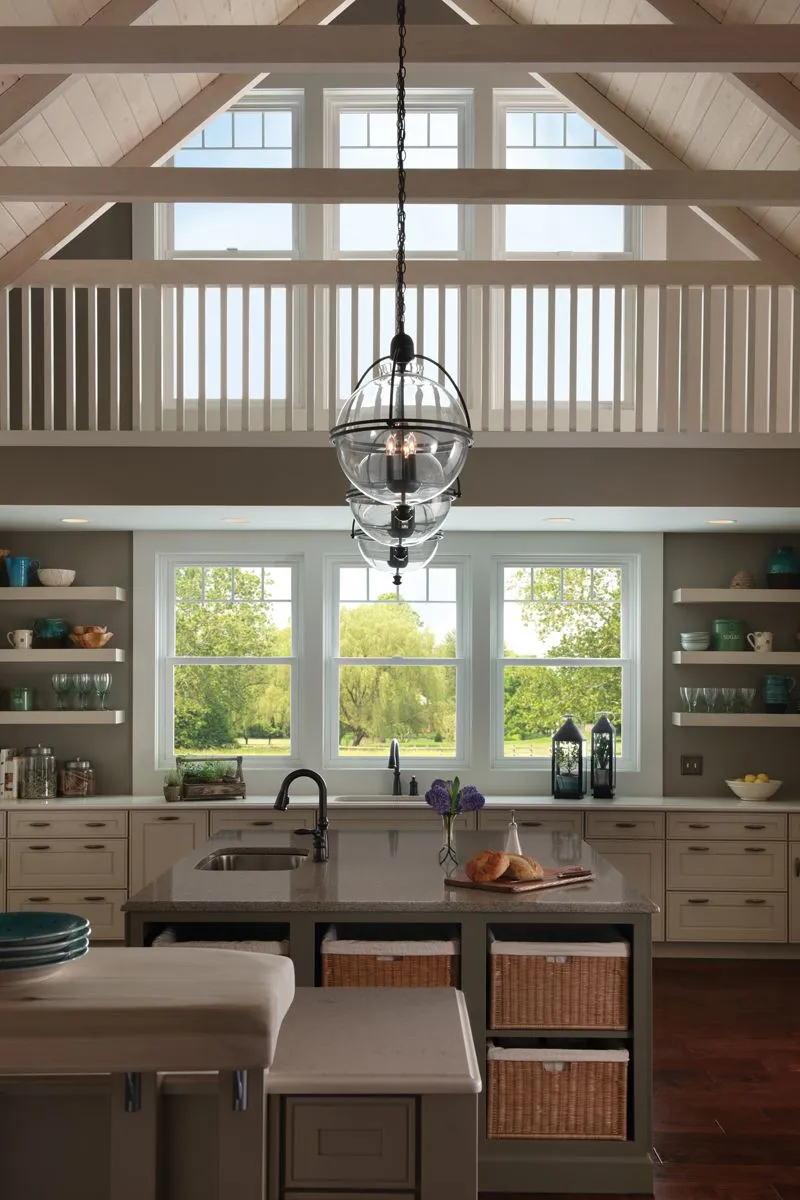
- Stack above fixed windows or glass doors
- Use as supplementary ventilation with picture windows
- Pair with casement windows for varied aesthetics
- Install above sliding glass doors
Awning Windows in Utah Homes
Utah's climate—with its cold, dry winters, warm summers, and occasional severe weather—makes awning windows particularly suitable. The weather protection these windows offer is valuable during Utah's spring storm season and winter snow events. Their energy efficiency helps manage both heating and cooling costs. The contemporary design of awning windows complements modern Utah home designs becoming increasingly popular in newer developments.
Utah building codes allow awning windows in most applications, though basement windows may require specific sizing for egress requirements. Always verify local codes before installation.
Energy Efficiency and Awning Windows
Modern awning windows achieve excellent energy efficiency when properly specified:
Key efficiency features:
- Triple-pane glass: Provides exceptional insulation
- Low-E coatings: Reflects infrared radiation while transmitting visible light
- Argon or krypton gas fills: Insulates between panes
- Thermal breaks: Reduce heat transfer through frame materials
- Quality weatherstripping: Creates tight seals when closed
- Top-hinged design: Creates excellent seal when closed
The combination of these features can achieve U-values as low as 0.20, among the best available for any window style.
Comparing Awning Windows to Other Styles
Awning vs. Casement Windows:
- Both open outward, but casement windows are vertical and side-hinged
- Awning windows provide better weather protection
- Casement windows offer better views and easier cleaning
- Awning windows take up less interior space
Awning vs. Double-Hung Windows:
- Double-hung windows open top and bottom; awning windows open from top hinge
- Double-hung windows are traditional; awning windows are contemporary
- Awning windows provide better weather protection
- Double-hung windows offer traditional aesthetics
Awning vs. Sliding Windows:
- Awning windows open vertically; sliding windows move horizontally
- Awning windows weather better
- Sliding windows are easier to clean
- Awning windows seal tighter when closed
Maintenance and Care
Awning windows require minimal maintenance:
Monthly:
- Clean glass surfaces
- Inspect hardware for debris
- Wipe down frame
Quarterly:
- Lubricate hinges and crank mechanism with silicone spray
- Check weatherstripping condition
- Inspect caulk around exterior flashing
Annually:
- Deep clean all surfaces
- Inspect and repair caulking as needed
- Check operation and adjust if necessary
- Test weatherstripping and replace if compressed
Every 3-5 years:
- Inspect seals and weatherstripping
- Re-caulk exterior as needed
- Paint or refinish frames (wood windows)
Troubleshooting Common Issues
Window won't open smoothly:
- Clean the hinge mechanism and tracks
- Apply silicone lubricant
- Check for obstructions
Water leaking around frame:
- Inspect caulking and re-caulk if necessary
- Check exterior flashing
- Ensure sill pan is properly sloped
Difficulty with crank handle:
- Lubricate hinges and mechanism
- Check for debris in mechanism
- Inspect for bent or damaged hardware
FAQ
Can awning windows be used for main living areas?
Yes, though they're better suited to upper wall positions or supplementary ventilation. They work best stacked with other windows for primary viewing areas.
Are awning windows secure?
Yes, the top-hinge design is very secure, even when open. The angled opening makes unauthorized entry extremely difficult.
How do awning windows perform in heavy rain?
Excellently. The projecting sash shields the window opening from most rain. Heavy downpours with wind gusts may require closure.
Can awning windows be installed in any wall orientation?
Yes, but they work best on north and east walls where the outward projection provides useful sun control in summer.
What's the lifespan of awning windows?
Quality awning windows last 25-40+ years with proper maintenance. Premium fiberglass options can exceed 50 years.
How do I clean awning windows?
Interior cleaning is easy. For exterior cleaning, you may need to access from outside. Some models have removable sashes for easier cleaning.
Are awning windows good for energy savings?
Yes. The projection provides solar shade in summer, reducing cooling costs. The tight seal when closed minimizes winter heat loss.
Consider Awning Windows for Your Home
Awning windows represent an excellent choice for homeowners seeking modern aesthetics, reliable weather protection, and improved ventilation. Whether you're replacing windows in an older home or designing new construction, awning windows can provide years of reliable performance and comfort. Their unique benefits make them particularly suited to Utah's climate and contemporary home designs.
For homes with basements, upper-floor ventilation needs, or a desire for contemporary window styles, awning windows deserve serious consideration. Consult with local window specialists in Utah who can assess your specific needs and ensure proper installation of these distinctive and functional windows.